Non-Surgical Dental Implants
Table of Contents
Non-surgical dental implants offer a less invasive solution to dental problems. People may lose teeth due to accidents or aging, but that doesn’t mean they have to simply accept it. Fortunately, there is an effective and safe alternative: non-surgical dental implants. This option can provide excellent results and a beautiful smile. But is it really possible to perform this procedure without surgery and with minimal discomfort?
What Are Non-Surgical Dental Implants?
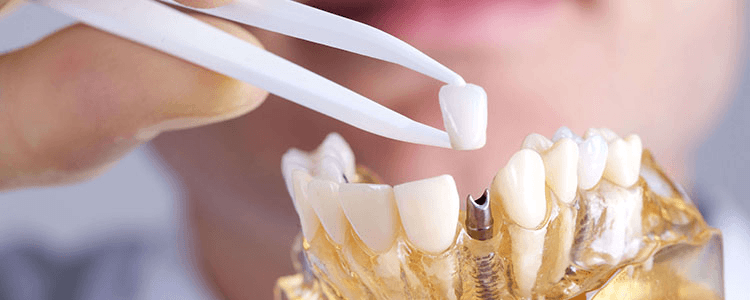
Non-surgical dental implants are a type of implant that can be placed without conventional surgery. Unlike traditional implants, they do not require inserting a metal post deep into the jawbone through a large surgical incision.Instead, they are usually placed using a minimally invasive technique that involves inserting a small implant directly into the gum tissue. After the implant is given enough time to heal and integrate, a natural-looking dental crown is attached to complete the restoration.
How Are Dental Implants Placed Without Surgery?
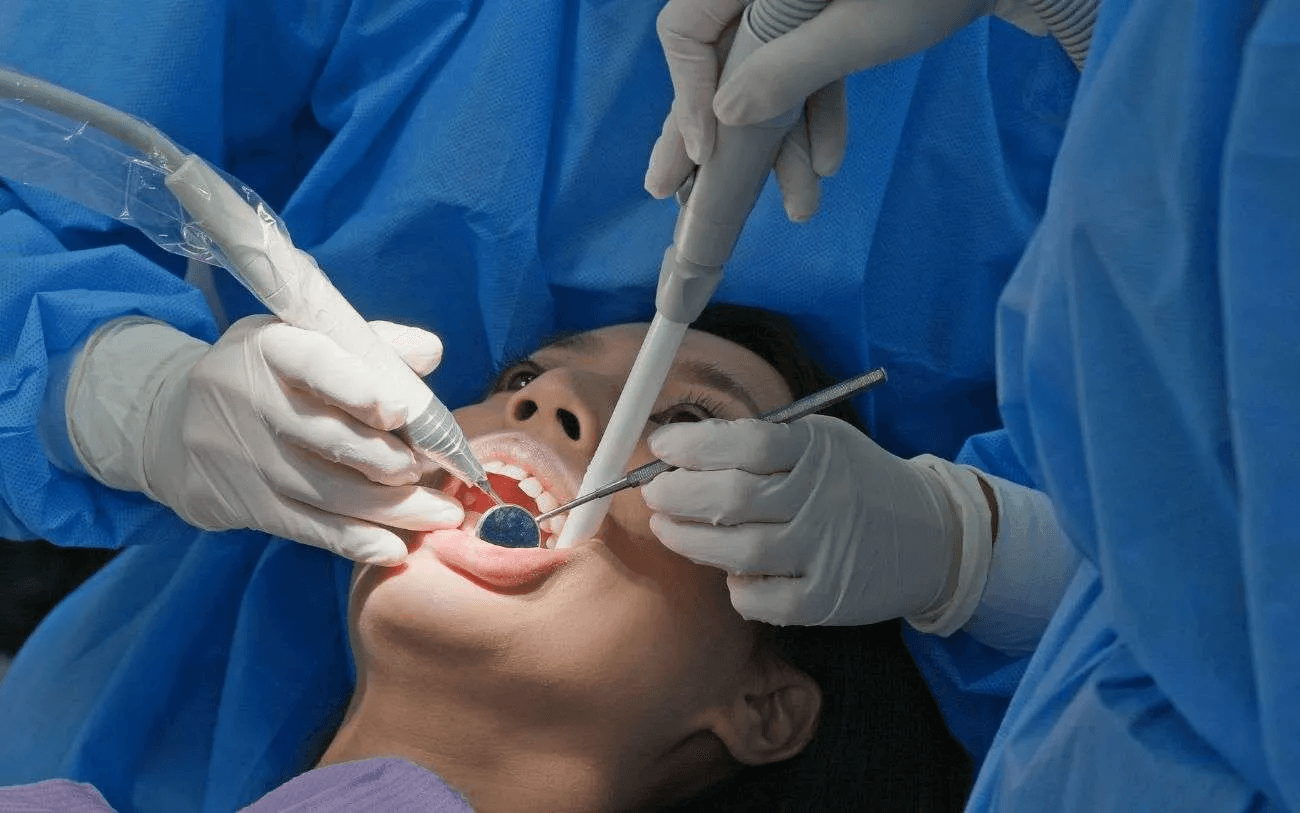
Non-surgical dental implant placement involves inserting a small implant directly into the gum tissue. After insertion, the implant is left to heal, creating a stable base for a natural-looking dental crown.The equipment used in non-surgical procedures plays a critical role in treatment success. Key components include a computer-guided system that enhances X-ray imaging, specialized transfer keys (or transfer guides), and supporting instruments that assist dentists throughout the procedure.Non-surgical dental implant placement typically consists of four main steps:
1- Measuring the Teeth and Jaw
First, a scan of the patient’s teeth is performed using panoramic computed tomography (CT). This imaging provides a highly accurate view of the patient’s dental anatomy, allowing assessment of bone structure and identification of any existing health issues. Performed by skilled surgeons, this step supplies essential information about potential implant-related complications and helps prevent future problems.
2- Reviewing the Measurements After Digital Conversion
Digital analysis of the measurements is crucial for non-surgical dental implant procedures, often referred to as digital implant dentistry. Advanced computer-guided systems generate three-dimensional models of the patient’s dental structures, enabling precise planning of implant placement. By using digital imaging techniques such as X-rays and 3D CT scans, dentists can create a virtual map of the mouth and identify potential complications before the actual procedure begins.
3- Planning Implant Position in a 3D Digital Environment
The exact position of the implant is determined digitally using a transparent acrylic base plate and a dental impression taken from the patient’s mouth. This approach allows dentists to plan the precise location and angulation of the implant before surgery. Utilizing 3D imaging technology ensures highly accurate placement according to the planned specifications, significantly reducing the risk of implant failure due to misalignment.
4- Placing the Implant
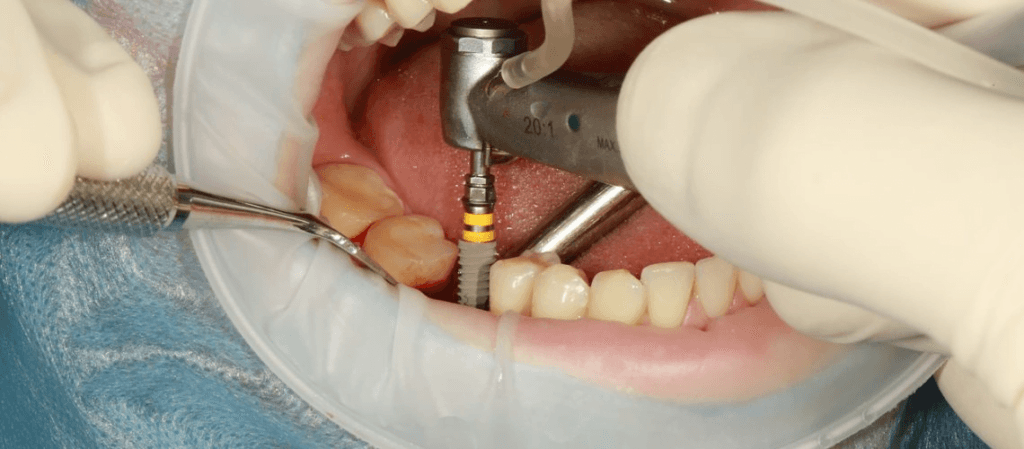
Once the implant’s position and angulation have been determined digitally, the actual placement is carried out using a computer-guided system. During this stage, a small opening is created in the gum tissue using a laser or a dental drill. The implant screw is then inserted into the pre-planned site in the jawbone, followed by placement of the abutment, which sits on top of the implant screw. The gum is then closed around the area, allowing a healing period that typically ranges from several weeks to a few months.Both the surgical guide and the dentist’s expertise are essential for this procedure. Incorrect implant placement can impair chewing function and interfere with proper gum healing. A complete non-surgical implant procedure can often be finished in about an hour, allowing the patient to leave with a renewed smile and restored confidence. Enjoy a faster recovery without the burden of a lengthy postoperative period, and discover how you can return to a healthier, more comfortable life in as little as 24 hours.
Who Is a Candidate for Non-Surgical Implants?
Non-surgical dental implants can be an excellent option for many people, but they are not suitable for everyone. Potential candidates generally include patients with adequate bone volume and density, good oral hygiene, and no uncontrolled systemic conditions that would interfere with healing. A thorough clinical and radiographic evaluation is necessary to determine whether this approach is appropriate for each individual case.
Advantages of Non-Surgical Implants
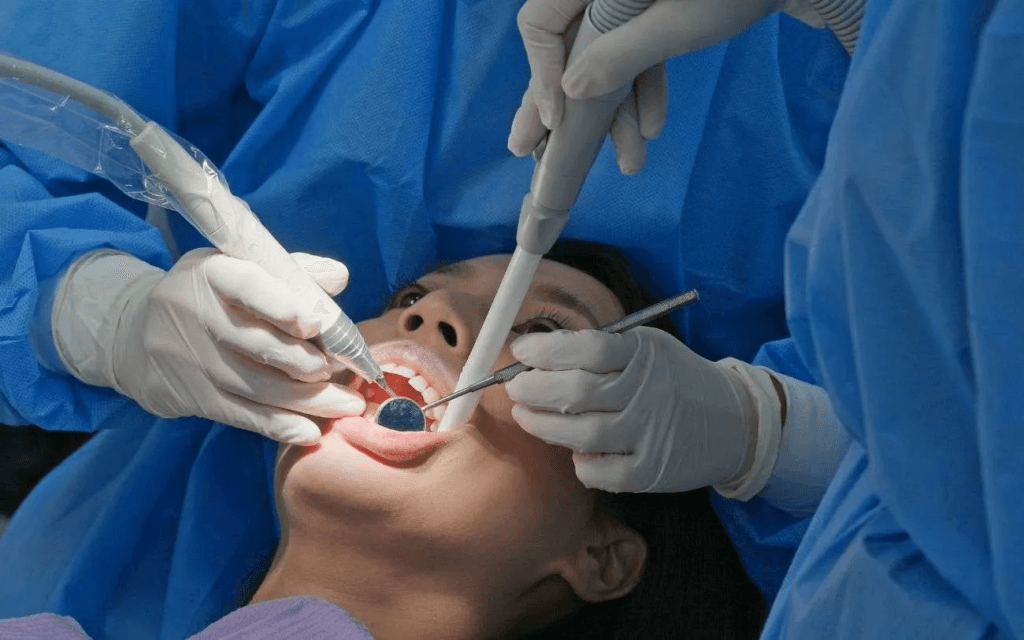
Non-surgical dental implants are often considered a more convenient option than traditional implants, primarily because they are easier to undergo. Patients can receive these implants without the level of discomfort and downtime typically associated with conventional surgical procedures, allowing for a smoother and more comfortable tooth-replacement experience.Here are some key advantages of non-surgical dental implants:
No Surgical Operation Required
One of the main benefits of these implants is that they do not involve traditional open surgery. This makes them an excellent choice for people who are anxious about surgical procedures or those with medical conditions that could complicate more invasive interventions.
Faster Recovery Time
Because the minimally invasive approach avoids extensive surgery, patients usually experience a significantly shorter recovery period compared with conventional dental implants. This means less time away from daily activities and a quicker return to normal life.
Natural Appearance
Non-surgical dental implants are designed to closely replicate the appearance of natural teeth. Their precise design allows them to blend seamlessly with your existing teeth, resulting in a natural, attractive smile.
Disadvantages of Non-Surgical Dental Implants
Despite their benefits, non-surgical dental implants also have some drawbacks, including:
Limited Eligibility
Non-surgical implants are not suitable for all patients. Individuals with certain medical conditions, severe bone loss, or extensive tooth loss may not qualify for this type of implant. These limitations can reduce the available options for some patients seeking tooth replacement.
Reduced Stability
In terms of stability, non-surgical implants may not provide the same level of long-term support as traditional implants placed through more extensive surgery. This relative lack of stability can affect the overall lifespan of the implant and may shorten its functional duration compared with surgically placed implants.
Higher Maintenance Requirements
Compared with conventional implants, which are surgically anchored and often require less frequent intervention, non-surgical implants may demand more ongoing care. Patients may find that these implants need to be repaired or replaced more often, leading to increased long-term maintenance and higher cumulative costs.
Non-Surgical Dental Implants in Jeddah
Dr. Abeer specializes in non-surgical dental implants in Jeddah. By using advanced techniques, she offers a minimally invasive approach to replacing missing teeth, reducing both recovery time and discomfort.Her expertise helps make dental implants accessible to patients who prefer a less invasive option. If you are looking for a reliable and efficient way to restore your smile, Dr. Abeer’s services are a practical choice for dental care in Jeddah.