What Are Zirconia Crowns?
Table of Contents
Zirconia crowns are an advanced type of dental crown made from zirconium dioxide (zirconia), a high‑strength ceramic material used in dentistry as an alternative to traditional metal crowns.They are highly durable and resistant to fracture and wear, which makes them an excellent option for posterior teeth that are subjected to heavy chewing forces. Zirconia crowns also have a white, slightly translucent color that closely resembles natural tooth enamel, giving a more aesthetic smile without the dark metallic line at the gum margin that can sometimes appear with metal crowns.Zirconia crowns are widely used in cosmetic and restorative dentistry, especially for patients who have metal allergies or those who want fixed restorations that combine high strength with a natural appearance. They help protect weak or fractured teeth, restore their function and shape, and can last for many years when combined with good oral hygiene and regular dental checkups.
Differences in Strength and Durability: Metal vs. Zirconia Crowns
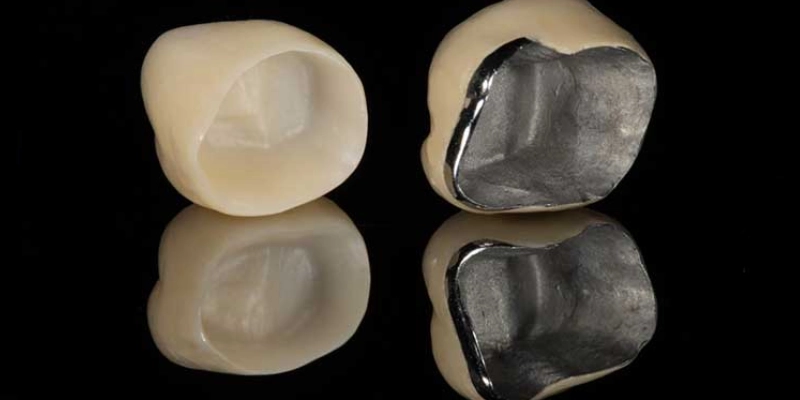
Metal crowns are known for their exceptional strength and ability to withstand heavy biting and chewing forces without fracturing, which is why they are a common choice for molars in patients with strong bite forces or bruxism (teeth grinding).Zirconia crowns are also strong and highly resistant to wear and impact; however, the risk of chipping or fracture is slightly higher compared with full metal crowns, particularly in cases of malocclusion or excessive occlusal loading. That said, advances in zirconia materials and CAD/CAM manufacturing techniques have significantly improved their mechanical properties, making them competitive with metal crowns in terms of durability, while offering a much more natural tooth-like appearance.Overall, when it comes to pure load-bearing strength and long-term functional endurance under extreme conditions, metal crowns still have the edge. However, zirconia offers a strong compromise between durability and aesthetics, especially where appearance matters.
Differences in Aesthetics and Color
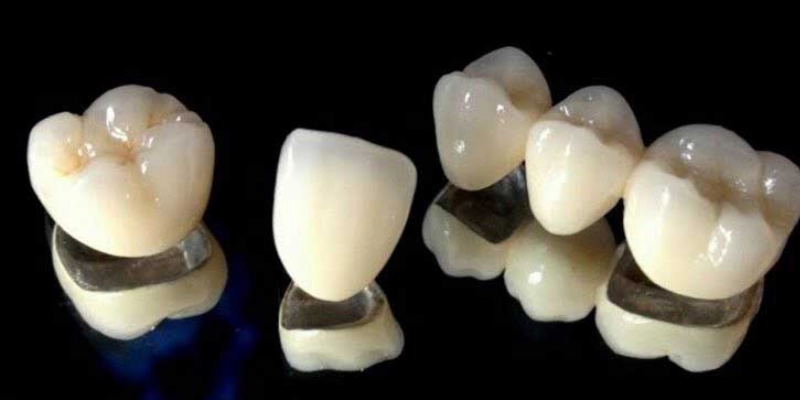
Metal crowns look very different from ceramic or zirconia crowns in terms of aesthetics and color. They usually appear silver or gold, which does not blend well with the natural shade of teeth, especially in the front region where cosmetic demands are higher.Although some metal crowns can be covered with a layer of porcelain on the outside (porcelain-fused-to-metal crowns) to improve their appearance, the metal substructure may become visible over time as the gums recede, creating a dark line along the crown margin.Compared with translucent, multilayered ceramic or zirconia crowns that mimic the natural layers of a tooth, a metal crown reflects light differently and does not allow light to pass through, which makes it harder to replicate the natural look of enamel—especially in the visible smile zone.For that reason, metal crowns are generally recommended for posterior teeth where strength and function are the priority, while porcelain or zirconia crowns are usually preferred for anterior teeth to achieve a more aesthetic, color‑matched smile.You may also like: Dental Crowns: The Ideal Solution to Restore and Protect Your Teeth with the Latest Techniques
Cost Differences Between Metal Crowns and Zirconia Crowns
Cost is one of the key factors when choosing between metal and zirconia crowns. Metal crowns typically cost less because they are made from conventional dental alloys and are relatively straightforward to fabricate in the dental laboratory.Zirconia crowns, on the other hand, are usually more expensive due to the use of high‑strength, esthetic zirconia and the need for advanced digital technologies such as CAD/CAM (computer‑aided design and computer‑aided manufacturing).The price of both metal and zirconia crowns is also influenced by the dentist’s expertise, the quality of the clinic and lab, the type of alloy or zirconia used, and the number of teeth being restored.Although metal crowns offer a cost‑effective and durable solution, many patients opt for zirconia crowns because of their natural, tooth‑like appearance and excellent compatibility with the gums. For patients seeking long‑term restorations that combine strength with superior esthetics, the higher cost of zirconia crowns is often considered justified.
When Do Dentists Prefer Metal Crowns?
Dentists tend to prefer metal crowns in situations that demand maximum strength and long‑term durability, particularly for posterior molars that undergo intense chewing forces. Metal crowns are often the treatment of choice for severely worn teeth or teeth that have undergone complex root canal treatment, as they provide full coverage and strong protection for the remaining tooth structure, reducing the risk of fracture.They are also commonly recommended for patients with bruxism or parafunctional habits that place excessive stress on the teeth, because metal crowns are more resistant to chipping and breakage compared with all‑ceramic or zirconia crowns in these cases.Additionally, metal crowns may be favored for patients looking for a relatively economical option that will last many years, especially for teeth that are not visible when smiling, where aesthetics are not the primary concern. Thanks to their high strength and precise fit, metal crowns remain a reliable restorative choice to preserve chewing function and protect compromised teeth.Related article: CEREC Dental Crowns
When Are Zirconia Crowns the Best Option?
Zirconia crowns are often the best choice when a patient needs restorations that combine high strength with a natural, highly esthetic appearance—particularly for anterior teeth or any teeth visible when smiling.They are considered a modern alternative to traditional metal crowns, offering translucency and shade matching that closely imitate natural teeth, making them ideal for patients who are concerned about the cosmetic appearance of their smile and want to avoid any visible metal margins.Zirconia crowns are also suitable for patients with metal allergies, as they are essentially metal-free and exhibit excellent biocompatibility with the gums and surrounding soft tissues. They are strong enough to be used on posterior teeth exposed to significant chewing forces, while allowing for conservative tooth preparation due to their high strength.Therefore, zirconia crowns are recommended for extensive restorations, full coverage of weakened teeth after root canal therapy, and for improving the shape and color of discolored or malformed teeth. They provide an optimal balance between mechanical durability and advanced esthetic results—features many patients specifically look for.
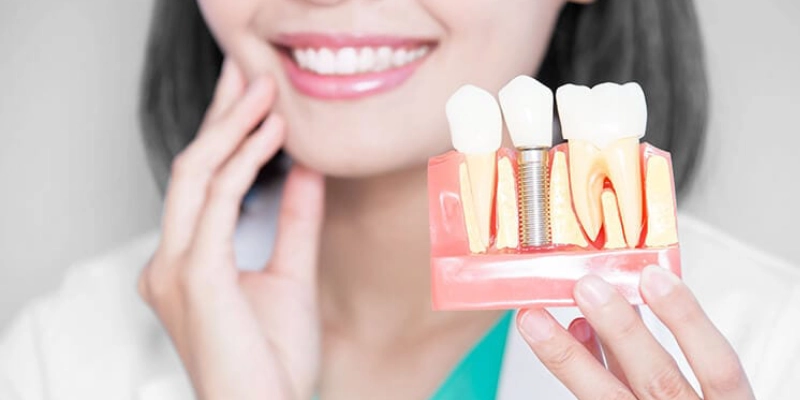
High-Quality Restorations for a Long-Lasting Smile with Dr. Abeer
With the high‑quality metal crowns provided by Dr. Abeer, you can restore the function and appearance of your teeth with confidence and long‑term comfort. Dr. Abeer uses metal crowns fabricated from corrosion‑resistant, high‑strength dental alloys, making them an ideal choice for restoring posterior teeth that must withstand daily chewing forces.These restorations offer exceptional durability, excellent stability, and precise occlusal adjustment, helping reduce the risk of fractures, loosening, or discomfort, and preserving the health of the supporting teeth. Through careful treatment planning and the use of modern techniques in the design and placement of metal crowns, Dr. Abeer ensures both functional and esthetic integration with the gums and adjacent teeth, resulting in a healthy smile that can last for many years.These crowns not only rebuild damaged teeth but also help protect them from recurrent decay and wear, while adhering to strict sterilization protocols and using materials that comply with the latest evidence‑based recommendations in restorative dentistry.
Frequently Asked Questions About Zirconia and Metal Crowns
Which Lasts Longer: Zirconia Crown or Metal Crown?
Metal crowns are generally considered the most durable option in terms of pure load‑bearing capacity and can last 15–20 years or even longer with proper care. Zirconia crowns offer both strength and esthetics and typically last around 10–15 years or more, depending on manufacturing quality, daily oral hygiene, and the patient’s occlusion and bite forces.
Can a Zirconia Crown Break?
Although zirconia is a very strong and fracture‑resistant material, any crown can crack or chip under certain conditions, such as severe bruxism or excessive occlusal stress. In such cases, the dentist may recommend a night guard to protect the crown and extend its lifespan.
Do Metal Crowns Cause Allergies or Gum Problems?
In rare cases, some patients may experience allergic reactions to specific metals used in certain alloys, and a dark line can sometimes appear at the gum margin over time due to the underlying metal. Zirconia crowns, by contrast, are highly biocompatible with the gums and are associated with a lower risk of allergic reactions.
Is Tooth Preparation Different for Zirconia and Metal Crowns?
Yes. Zirconia crowns usually require precise tooth preparation that accounts for both material thickness and esthetic demands. Metal crowns, in some situations, may require less removal of healthy tooth structure because they can be made thinner while still maintaining strength. The dentist will determine the most appropriate preparation design based on the location of the tooth and the clinical situation.
How Do I Choose Between a Zirconia Crown and a Metal Crown?
The choice depends on several factors: – Location of the tooth (anterior vs. posterior) – Bite force and occlusal pattern – Importance of esthetics for that tooth – Available budgetThe most suitable option is determined after a clinical examination and radiographic evaluation to assess the strength of the remaining tooth structure and the health of the gums.