Why Is It Important to Maintain Your Orthodontic Results After Treatment?
Table of Contents
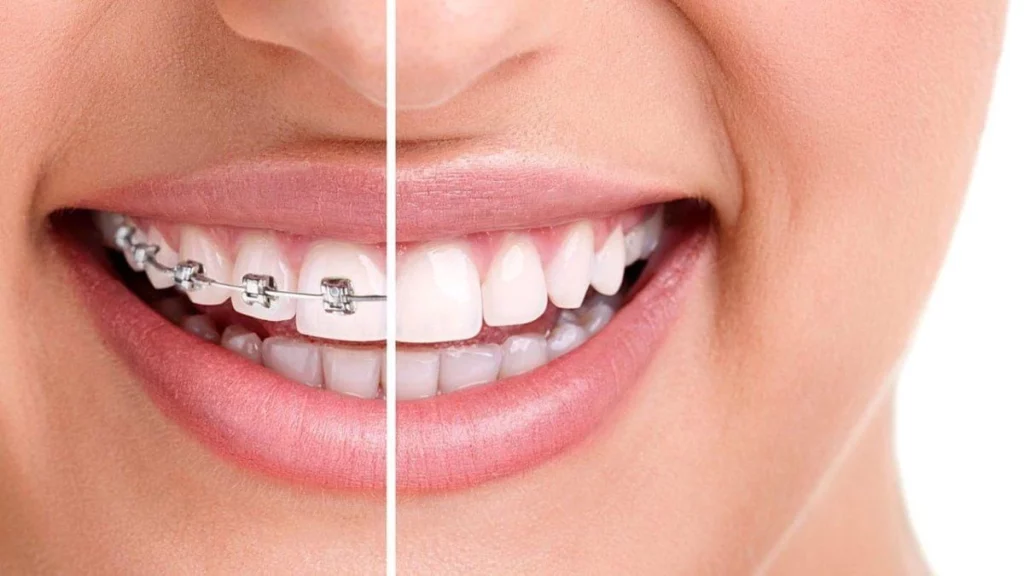
Maintaining your orthodontic results after treatment is essential to keep your teeth stable in their new positions and prevent them from shifting back to their original misaligned state. Following your orthodontist’s instructions and wearing your retainers as recommended helps the jawbone and supporting tissues around the teeth adapt and stabilize after the braces are removed.Neglecting the post‑treatment phase can lead to teeth crowding again, changes in your smile, and the need for retreatment, which means extra cost and time for the patient. Keeping your orthodontic results also directly improves oral health, as straight teeth are easier to clean, which reduces plaque and bacterial buildup and lowers the risk of tooth decay and gum disease. Ongoing care, regular check‑ups, and strict adherence to post‑orthodontic instructions are therefore a long‑term investment in both a beautiful smile and overall oral health.
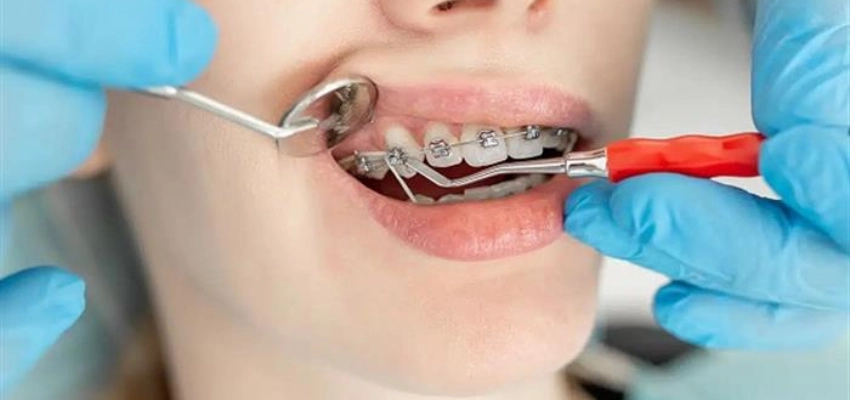
The Role of Retainers in Preventing Teeth from Shifting Back
Retainers are a fundamental part of any orthodontic treatment plan. Their main job is to hold the teeth in their new positions and prevent them from drifting back once the braces are removed.After the active phase of moving the teeth is completed, the supporting tissues—such as the bone and gums—continue to remodel and adjust to the new alignment. During this period, the teeth are more vulnerable to relapse and can easily start shifting toward their old positions. Fixed or removable retainers keep the teeth stable for a period determined by the orthodontist, giving the bone and surrounding tissues enough time to fully adapt.Wearing your retainer exactly as prescribed significantly helps maintain your orthodontic results in the long term and reduces the chances of needing treatment again. The retention phase should never be taken lightly; it is an essential continuation of orthodontic therapy, not an optional step, for anyone who wants a stable, healthy smile.
Daily Oral Care After Braces Removal
Once your braces are removed, your daily oral care routine becomes even more important to protect the results you worked hard to achieve and to prevent your teeth from shifting back. Dentists recommend brushing at least twice a day with a fluoride toothpaste and using dental floss or interdental brushes to remove food debris that may accumulate between the teeth after braces are taken off.Using an antibacterial mouthwash helps reduce plaque buildup and protect the gums from inflammation, especially in the first few weeks after debonding. It is also important to avoid hard and sticky foods that can put excessive pressure on the teeth or retainers, such as hard nuts and sticky candies, and to limit sugars and carbonated drinks to reduce the risk of cavities.Regular check‑ups with your dentist to examine your retainers, tooth enamel, and gum health are a key part of your daily care strategy to preserve straight teeth and a stable, healthy smile over the long term.
Foods and Habits to Avoid to Preserve Your Results
Avoid hard and sticky foods such as hard nuts, caramel, chewing gum, and gummy candies, as they can put pressure on your teeth and affect their stability after braces are removed. They can also increase the risk of dental caries, which may weaken the gums and the bone supporting the teeth.Try to stay away from soft drinks and sugary juices that are high in sugars and acids. These attack the tooth enamel, increase tooth sensitivity after orthodontic treatment, and may contribute to relapse over time. It is also advisable to avoid nail biting, using your teeth to open cans or packages, and chewing on pens or other hard objects. These harmful habits create uneven pressure on the teeth and may gradually alter their position.Neglecting oral hygiene and failing to wear your retainer according to your orthodontist’s instructions are among the most damaging habits that threaten the long‑term stability of your orthodontic results.Sticking to a balanced diet rich in calcium and vitamin D, maintaining a consistent oral hygiene routine, and avoiding harmful habits are the foundations for keeping your teeth straight and your smile healthy after orthodontic treatment.
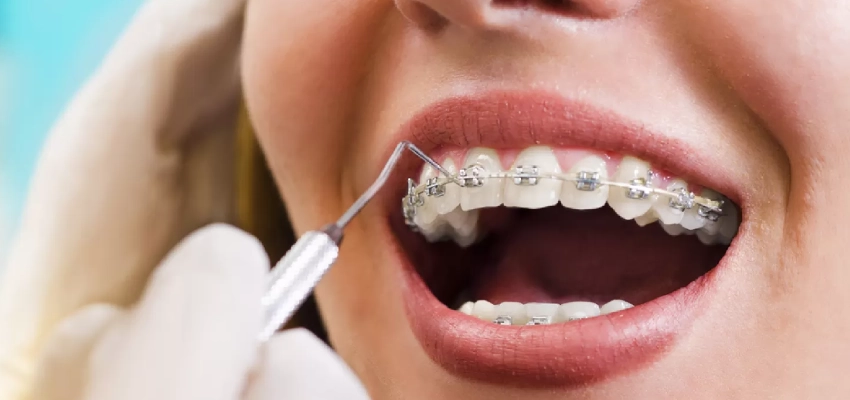
The Importance of Regular Follow‑Ups with Your Orthodontist
Regular follow‑ups with your orthodontist are crucial to maintaining your orthodontic results over the long term and ensuring that your teeth remain stable in their new positions. During these visits, the orthodontist checks the condition of your retainers, makes sure you are using them correctly, and adjusts them if necessary to prevent any unwanted tooth movement.Routine follow‑ups also help detect early problems such as tooth mobility, worn or broken retainers, or the development of new gaps, allowing for prompt intervention before issues become more serious.Ongoing monitoring after braces removal is an integral part of your treatment plan, not a minor step. It protects your well‑aligned smile, safeguards the investment you made in your orthodontic treatment, and helps reduce the likelihood of needing braces again in the future.Read more about: the best orthodontist in Jeddah
How Early Follow‑Up Helps Correct Small Problems
Early follow‑up after completing your orthodontic treatment is essential for maintaining your results and correcting any small issue before it becomes a noticeable problem in tooth alignment or jaw relationship. During these routine visits, the orthodontist can spot early warning signs such as slight tooth movement, uneven pressure on the retainers, early gum recession, or minor tooth wear.Early intervention allows for simple adjustments to the retainer, modification of the follow‑up schedule, or guidance on improving daily habits such as chewing patterns and oral hygiene techniques. This helps prevent the need for a full round of orthodontic treatment again.In this way, regular and early follow‑up appointments after braces ensure long‑term stability, preserve a harmonious smile, and reduce the time, effort, and costs associated with any future corrective treatment.
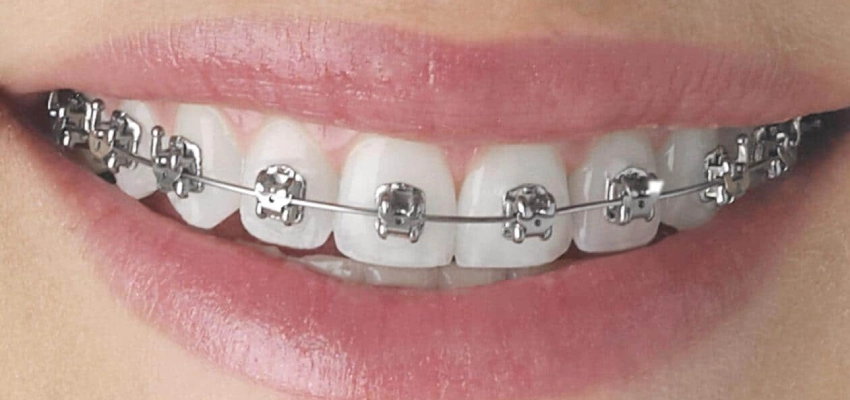
Dr. Ameer Ghiath Zahrawi’s Tips for Lifelong Orthodontic Results
Dr. Ameer Ghiath Zahrawi emphasizes that the key to maintaining orthodontic results for life is strict adherence to retainer wear for the duration specified by your orthodontist, to prevent the teeth from drifting back to their previous positions. He also recommends brushing daily with an appropriate toothpaste and toothbrush, using dental floss, and rinsing with a fluoride mouthwash to keep the gums strong and prevent tartar buildup that could affect tooth stability after treatment.He stresses the importance of regular dental check‑ups to monitor the stability of your results and to make any minor adjustments at the right time before problems worsen. He also advises avoiding biting on hard foods such as hard nuts and ice or using your teeth to open packages, as these habits can cause unwanted tooth movement or damage the retainers.Finally, a healthy lifestyle plays a significant role in preserving orthodontic results. Quitting smoking, cutting down on sugar, and drinking enough water all promote oral and dental health, extend the longevity of your orthodontic outcome, and help you maintain a straight, attractive smile for life.
Frequently Asked Questions About Maintaining Orthodontic Results
Can teeth move back to their original position after braces are removed?
Yes. Teeth can gradually shift if you do not wear your retainer as instructed by your orthodontist. This is why the retention phase is a critical part of successful orthodontic treatment.
How long do I need to wear my retainer after braces?
It varies from case to case, but in most situations, retainers are worn full‑time in the first few months, then for shorter, specific periods later on. Your orthodontist may recommend using a retainer for several years—or even long term—to preserve your results.
What happens if I stop wearing my retainer?
Your teeth may start to move gradually and drift toward their previous positions, which may eventually require another round of orthodontic treatment or other corrective procedures.
Is oral hygiene still important after braces are removed?
Absolutely. Brushing, flossing, and using mouthwash are essential to prevent plaque buildup and tooth decay and to maintain healthy gums and stable teeth.
When should I see my orthodontist after finishing treatment?
It is generally recommended to have regular follow‑up visits every few months at first, then once a year or as advised by your orthodontist, to monitor stability, check the retainers, and ensure your teeth and bite remain in good condition.