Table of Contents
Why Is It Important to Maintain Your Orthodontic Results After Treatment?
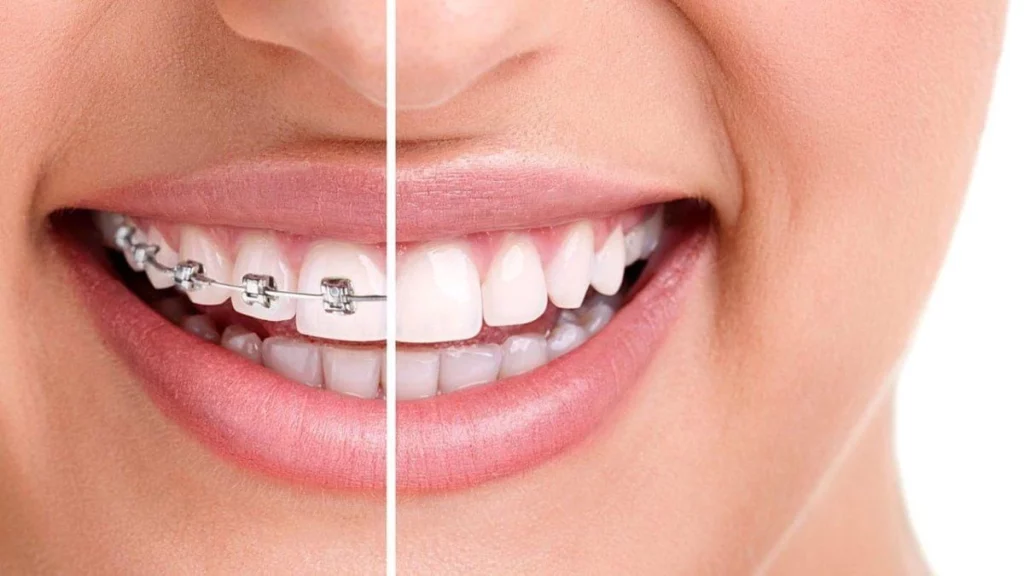
Maintaining your orthodontic results after treatment is essential to keep your teeth in their new positions and prevent them from shifting back to their original misaligned state. Following your orthodontist’s instructions and wearing your retainers as recommended helps stabilize the jawbone and the supporting tissues around the teeth after the braces are removed.Neglecting the post‑treatment phase can lead to crowding of the teeth again, changes in your smile, and the need for a second round of orthodontic treatment, which adds extra cost and time for the patient. Maintaining your orthodontic results is also closely linked to better oral health, since straight teeth are easier to clean and less likely to accumulate plaque, tartar, and bacteria. This lowers the risk of tooth decay and gum disease.Consistent home care, regular checkups, and following post‑orthodontic instructions are therefore a long‑term investment in both the appearance of your smile and your overall oral health.
The Role of Retainers in Preventing Teeth from Shifting Back
Retainers are a critical part of any orthodontic treatment plan. Their main purpose is to keep your teeth in their new positions and prevent them from drifting back after the braces are removed.Once the active phase of moving the teeth is complete, the supporting tissues—such as the bone and gums—continue to adapt to the new alignment. During this period, the teeth are especially prone to relapse and can easily move toward their old positions. Fixed or removable retainers hold the teeth in place for a period of time determined by the orthodontist, giving the bone and surrounding tissues enough time to stabilize.Wearing your retainer exactly as instructed greatly increases the chances of keeping your orthodontic results long term and reduces the likelihood that you’ll need treatment again. The retention phase should never be taken lightly; it is a continuation of your orthodontic therapy, not an optional step, for anyone who wants a stable, healthy smile.
Daily Oral Care After Braces Removal
Once your braces are removed, daily oral care becomes even more important to protect the hard‑earned results and prevent your teeth from shifting back. Dentists generally recommend brushing at least twice a day with a fluoride toothpaste and using dental floss or interdental brushes to remove food debris and plaque that may build up between the teeth after braces.Using an antibacterial mouthwash can help reduce plaque buildup and protect the gums from inflammation, especially during the first few weeks after debonding. It is also important to avoid hard and sticky foods that can put excessive pressure on your teeth or retainers, such as hard nuts and chewy candies, and to cut down on sugary foods and soft drinks to lower the risk of cavities.Regular follow‑up appointments with your dentist, checking the condition of your retainers, and monitoring the health of your tooth enamel and gums are all key elements of your daily care plan to keep your teeth straight and your smile stable over the long term.
Foods and Habits to Avoid to Preserve Your Results
Avoid hard and sticky foods such as hard nuts, caramel, chewing gum, and gummy or chewy candies, as they can put extra pressure on your teeth and interfere with their stability after braces. These foods also increase the risk of tooth decay, which can weaken the gums and the bone supporting your teeth.Try to stay away from soft drinks and sugar‑loaded juices high in acids and sugars. These can erode tooth enamel, increase tooth sensitivity after orthodontic treatment, and, over time, undermine your results. It’s also wise to avoid habits like nail‑biting, opening packages or bottles with your teeth, and chewing on pens or other hard objects. These bad habits create uneven pressure on your teeth and may gradually shift them out of place.In addition, poor oral hygiene and failing to wear your retainer as instructed by your orthodontist are among the most harmful behaviors for the long‑term stability of your orthodontic outcome.Sticking to a balanced diet rich in calcium and vitamin D, maintaining a consistent oral hygiene routine, and avoiding damaging habits are the foundation for keeping your teeth straight and your smile healthy after orthodontic treatment.
The Importance of Regular Follow‑Ups with Your Orthodontist
Regular follow‑up visits with your orthodontist are essential to maintain your orthodontic results over the long term and to ensure your teeth remain stable in their new positions. During these visits, the orthodontist checks your retainers to make sure they fit and are being used correctly, and adjusts or repairs them when necessary to prevent your teeth from shifting back.Routine follow‑ups also help detect early problems such as tooth mobility, worn or damaged retainers, or the appearance of new gaps, allowing for timely intervention before issues become more serious.Ongoing monitoring after braces removal is an integral part of your treatment, not a secondary stage. It protects your straight smile, safeguards the time and money you invested in orthodontics, and reduces the chance that you will need braces again in the future.Read more about: the best orthodontist in Jeddah
How Early Follow‑Up Helps Correct Small Issues Before They Worsen
Early follow‑up after completing orthodontic treatment is crucial for keeping your results stable and correcting any minor issues before they turn into noticeable problems in tooth alignment or bite (occlusion). During these regular checkups, your orthodontist can spot early signs that your teeth are starting to shift, that there is uneven pressure on your retainers, or that there are early changes in your gums or slight enamel wear.Early intervention allows for simple adjustments to your retainer, modifications in your follow‑up schedule, or personalized guidance on improving your daily habits—such as chewing patterns and oral hygiene techniques—so you can avoid needing another full course of orthodontic treatment.In this way, consistent and early follow‑up after braces helps maintain stable results, preserves a harmonious smile, and reduces the time, cost, and effort associated with any future corrective procedures.
Dr. Ameer Ghiyath Zahrawi’s Tips for Maintaining Orthodontic Results for Life
Dr. Ameer Ghiyath Zahrawi emphasizes that the key to maintaining your orthodontic results for life is strict adherence to wearing your retainer for as long and as often as your orthodontist recommends, to prevent your teeth from drifting back to their old positions. He also advises daily brushing with an appropriate toothbrush and toothpaste, along with regular flossing and using a fluoride mouthwash to keep your gums strong and prevent tartar buildup that can affect tooth stability after orthodontic treatment.He stresses the importance of regular dental checkups to monitor the stability of your results and to make any minor adjustments at the right time, before they develop into bigger problems. He also recommends avoiding biting on hard foods such as very hard nuts and ice, and never using your teeth to open bottles or packages, as these habits can cause unwanted tooth movement or damage your retainers.Finally, a healthy lifestyle plays a major role in preserving orthodontic results: quitting smoking, cutting back on sugar, and drinking enough water all contribute to better oral and dental health, extend the lifespan of your orthodontic results, and help maintain a straight, attractive smile for life.
Frequently Asked Questions About Maintaining Orthodontic Results
Can teeth move back to their old positions after braces are removed?
Yes. Teeth can gradually shift if you don’t wear your retainer as instructed, which is why the retention phase is a crucial part of successful orthodontic treatment.
How long do I need to wear my retainer after orthodontic treatment?
It varies from person to person, but it is usually worn full‑time in the first few months, then for specific hours (often at night) later on. Your orthodontist may recommend wearing a retainer for several years—or even long term—to maintain your results.
What happens if I stop wearing my retainer?
Your teeth may slowly begin to move and drift toward their original positions. In some cases, this can lead to the need for retreatment or other corrective procedures.
Is oral hygiene still important after braces are removed?
Absolutely. Brushing, flossing, and using mouthwash are essential to prevent plaque buildup and tooth decay, protect gum health, and support the long‑term stability of your teeth.
When should I see my orthodontist after finishing treatment?
You should have regular follow‑up visits every few months at first, then annually or as your orthodontist recommends, to ensure your results remain stable and to check the condition of your retainers and teeth.