How Do Foods Directly Affect Dental Health?
Table of Contents
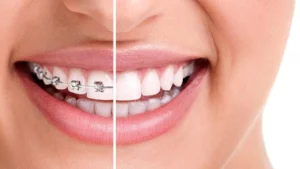
Food plays a direct and critical role in dental health. Diets high in sugar and simple carbohydrates feed the bacteria in the mouth, leading to the production of acids that attack tooth enamel and increase the risk of tooth decay. Acidic foods and drinks, such as soda and processed fruit juices, also weaken the enamel layer over time and contribute to enamel erosion and tooth sensitivity.On the other hand, foods rich in calcium—such as milk, cheese, and yogurt—along with phosphorus-rich foods like nuts and fish, help remineralize enamel and strengthen the tooth structure. Fiber-rich fruits and vegetables, such as apples and carrots, stimulate saliva flow, which acts as a natural protective barrier that helps prevent cavities and neutralize harmful acids.Choosing tooth-friendly foods and limiting sugars and acids is therefore a key part of maintaining oral health and preventing gum disease and tooth decay in the long term.
Foods That Strengthen Teeth and Protect Enamel
Eating foods that strengthen teeth and protect enamel helps support oral health and reduce the risk of cavities over time. Some of the best tooth-friendly foods are dairy products like milk, cheese, and yogurt. These are rich in calcium and phosphorus, which are essential for remineralizing and strengthening tooth enamel. Leafy green vegetables such as spinach and arugula (rocket) are also beneficial, as they provide vitamins and minerals that support the health of both teeth and gums.You may also be interested in: What Is Enamel Erosion? Causes and Treatment OptionsFiber-rich fruits and vegetables like apples, carrots, and cucumbers are also important for dental health because they stimulate saliva production, which helps neutralize acids and wash away food debris from the enamel surface. Drinking fluoridated water and eating nuts such as almonds and walnuts further protect tooth enamel thanks to their calcium content and trace elements that support tooth structure.Focusing on these tooth-friendly foods within a balanced diet, while cutting down on sugars and acidic items, is a fundamental step toward keeping your enamel strong and healthy.
Foods That Weaken Teeth and Cause Cavities
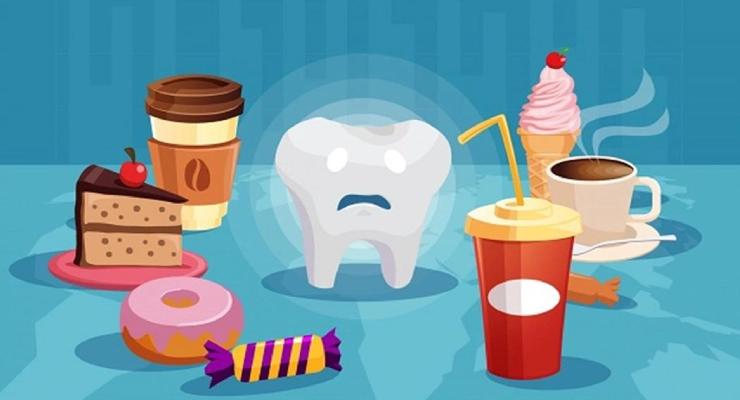
There are several foods and drinks that can weaken teeth and increase the risk of tooth decay if consumed frequently or without proper oral hygiene. At the top of this list are simple sugars found in candy, chocolate, cookies, and sugary juices. Oral bacteria feed on these sugars and convert them into acids that attack tooth enamel and lead to cavities.Carbonated soft drinks and energy drinks are also harmful to teeth because they typically contain high amounts of sugar and acids that gradually dissolve the enamel layer. Sticky foods such as caramel, sugar-coated dates, and dried fruits can be especially damaging because they cling to tooth surfaces and between teeth, giving bacteria more time to produce cavity-causing acids.Even refined starches like white bread, crackers, and potato chips can break down into simple sugars in the mouth and contribute to tooth decay if not cleaned away properly. For these reasons, dentists recommend limiting such foods, drinking water afterward, and brushing and flossing regularly to protect tooth enamel and help prevent cavities.Read more about: What Is Tooth Decay and What Are Its Complications?
The Role of Water in Maintaining Oral and Dental Health
Drinking water regularly is essential for maintaining oral and dental health, especially when eating various types of foods throughout the day. Water helps rinse away food particles and sugars from the tooth surface, which reduces plaque buildup and the growth of bacteria that cause cavities and bad breath. Water also stimulates the production of natural saliva, which acts as a defensive barrier against acids from foods and soft drinks and helps restore a healthy pH balance in the mouth, protecting enamel from erosion.It’s best to drink water right after meals, particularly after consuming sugary or acidic foods, to reduce their harmful effects on teeth. Fluoridated drinking water plays an important role in strengthening tooth enamel and preventing cavities in both children and adults. Overall, water is considered the best beverage for dental health and an effective complement to any oral care routine that includes brushing, flossing, and regular dental checkups.
The Link Between Balanced Nutrition and Gum Disease Prevention
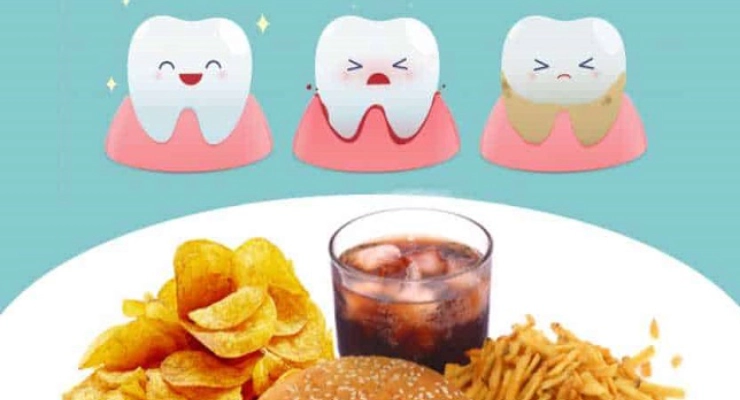
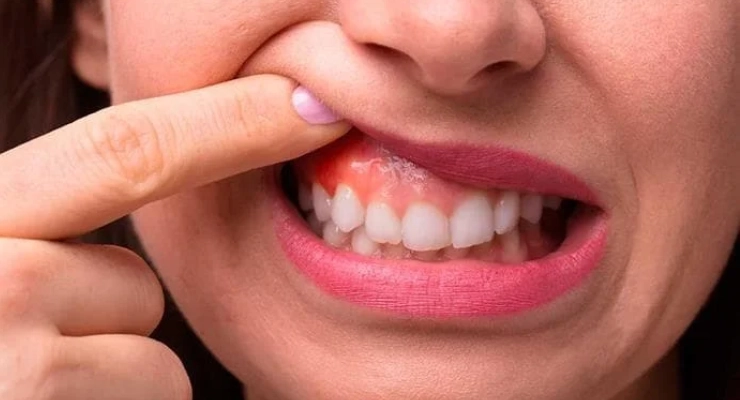
A balanced diet is a cornerstone of preventing gum disease and supporting long-term dental health. Foods rich in vitamins and minerals—especially vitamin C, zinc, and calcium—help strengthen the gums, promote tissue healing, and improve resistance to chronic gingival inflammation. Leafy greens and fresh fruits high in antioxidants help reduce the harmful effects of free radicals that weaken gum tissue and increase the risk of bleeding and gum recession.Healthy sources of protein such as fish, eggs, and legumes contribute to the formation of collagen, which is essential for supporting the gums and anchoring them firmly to the teeth. In contrast, excessive intake of sugars and refined carbohydrates promotes bacterial growth in the mouth and raises the risk of gingivitis and tooth decay. This underscores that proper nutrition is an integral part of a comprehensive strategy for maintaining oral health and preventing gum disease.
Daily Tips for Choosing the Right Foods for Oral Health

To keep your teeth and gums healthy, make daily choices that favor foods which minimize plaque buildup and protect tooth enamel from erosion. Choose fiber-rich fruits and vegetables such as carrots and apples; they stimulate saliva production, which helps neutralize oral acids and naturally clean the teeth.Limit your intake of simple sugars, soft drinks, and sugary juices as much as possible, because sugary foods have a direct impact on dental health: they feed cavity-causing bacteria and increase the risk of tooth decay. Opt for low-fat dairy products such as milk, yogurt, and cheese, as they are important sources of calcium and phosphorus needed to strengthen enamel.Make sure to drink enough water throughout the day, especially fluoridated water where available, as it supports the remineralization of tooth enamel and reduces the impact of acidic foods. Avoid frequent snacking on sweets between main meals, since constant acid exposure throughout the day significantly raises the risk of cavities.Instead of sticky candies, choose unsalted nuts or fresh fruits; they are much better for oral health and provide beneficial nutrients for the whole body. By consistently following these healthy dietary habits, you will notice a clear improvement in your oral health and a reduction in the need for cavity treatments and gum disease management.