
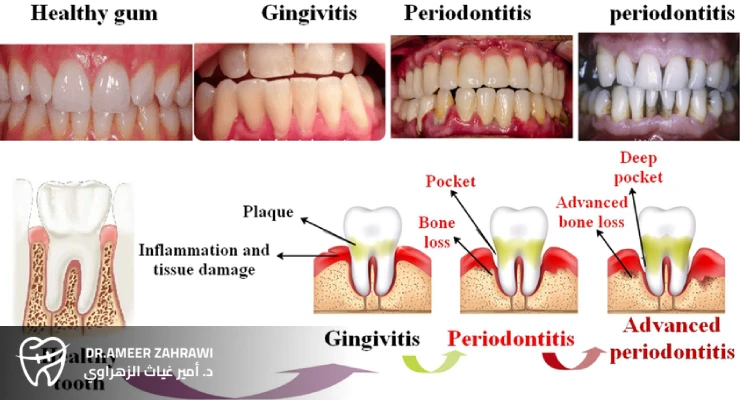
Gingivitis is the most common form of gum disease. This mild inflammation of the gums is a frequent dental problem and is not dangerous by itself, but it can turn into a more serious issue that may eventually lead to tooth loss if the underlying cause is left untreated. Gum disease and gingivitis can usually be prevented with proper daily oral care and regular dental checkups.If gingivitis is not treated in time, it can progress to periodontitis, which also involves loss of bone tissue and is managed as a more advanced and serious gum condition.
Table of Contents
What Is Gingivitis?
Gingivitis is an infection of the gums caused by germs present in the oral cavity. Bacteria are usually the main culprit, but fungi and viruses can also lead to gum inflammation.Gum infections typically develop as follows: if the teeth and the spaces between them are not cleaned regularly and thoroughly, a sticky film called dental plaque begins to form, especially along the gumline.Bacteria and other microorganisms thrive in this plaque layer and start attacking the gums.The result: the gums begin to bleed easily, become swollen, and feel irritated – all of which are classic signs of gingivitis.
What Are the Symptoms of Gingivitis?
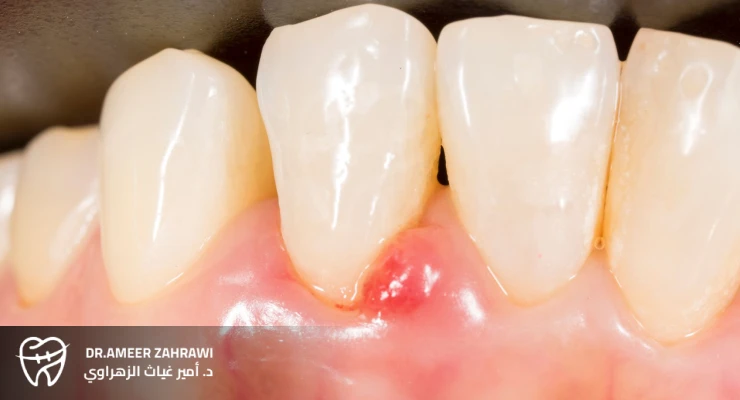
Gingivitis is the early stage of gum disease and can cause a variety of complications if left untreated. Common signs and symptoms include:
Types of Gingivitis
Gingivitis is classified into different categories based on how quickly it develops and the type of damage it causes. The main types of gingivitis include:
How to Prevent Gingivitis
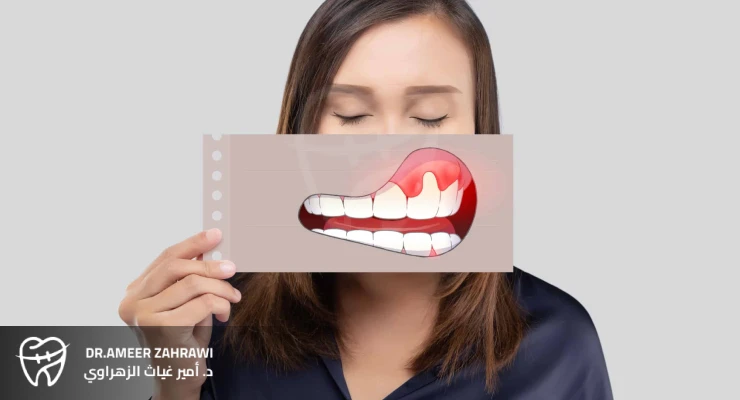
Removing as much dental plaque as possible from your teeth and gums plays a major role in preventing gingivitis. The following tips can help stop gingivitis before it starts:
Treatment Options for Gingivitis
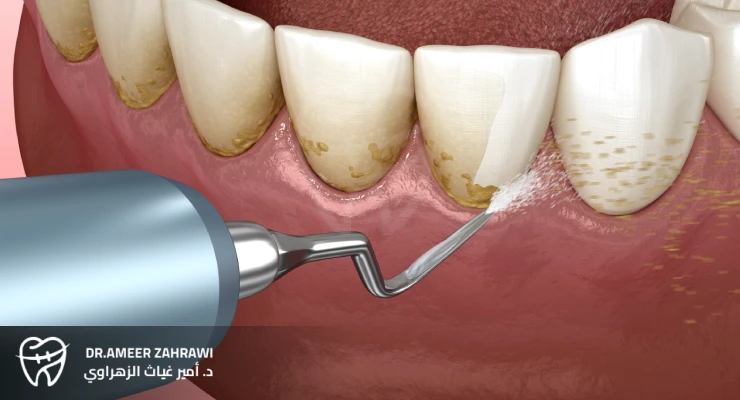

Gingivitis can often be treated or even prevented at home by maintaining proper oral hygiene habits and making healthy lifestyle choices. Home care for gingivitis may include:Read more about: Treatment of Gum and Tooth InflammationProfessional treatment for gingivitis is available at the dentist’s office. Possible treatment options may include:Related articlesWhat Is Gum Depigmentation and What Are Its Benefits?