
Table of Contents
What is dry mouth and why does it occur?
Dry mouth (also known medically as xerostomia) is a condition where a person experiences a noticeable reduction or absence of saliva in the mouth, leading to persistent thirst, difficulty swallowing or speaking, and sometimes bad breath.
Dry mouth develops when the salivary glands are no longer producing enough saliva. Saliva is essential for keeping the mouth moist and for protecting the teeth and gums against bacteria and dental caries.
This condition is linked to several causes, most notably the use of certain medications such as antidepressants, antihistamines, and antihypertensives, as well as chronic illnesses like diabetes and Sjögren’s syndrome, or undergoing radiation therapy to the head and neck.
Smoking, mouth breathing instead of nasal breathing, advancing age, and chronic stress can also increase the risk of developing dry mouth.
Understanding what dry mouth is and why it occurs helps identify the underlying cause and allows for early management of the condition, reducing the risk of complications such as tooth decay, gum disease, and difficulty chewing and swallowing.
Common Causes of Dry Mouth
Dry mouth (xerostomia) usually develops as a result of several common factors. The most frequent is reduced saliva production caused by certain medications, such as antihypertensives, antidepressants, antihistamines, and diuretics, which are among the leading causes of dry mouth in adults.

Dry mouth can also be associated with chronic conditions such as diabetes, thyroid disorders, Sjögren’s syndrome, and other autoimmune diseases that attack the salivary glands and impair their ability to produce saliva.
Aging itself does not directly cause dry mouth; however, the increased use of medications and the higher prevalence of chronic illnesses in older adults make the problem more likely to occur in this age group.
Other contributing factors include mouth breathing instead of nasal breathing, particularly during sleep or in cases of nasal obstruction, as well as smoking and the use of tobacco products, which can irritate and weaken the salivary glands.
Radiation therapy and chemotherapy for head and neck cancers may also damage the salivary glands, leading to persistent, chronic dry mouth.
In some cases, dry mouth may be linked to chronic stress and anxiety, or to overall dehydration due to inadequate fluid intake or excessive fluid loss. Identifying the underlying cause is essential for choosing the appropriate treatment and effectively relieving symptoms.
Symptoms of Dry Mouth (Xerostomia)
People with dry mouth often experience a cluster of uncomfortable symptoms that can affect both quality of life and overall oral health. The most prominent complaints are constant thirst and a persistent sensation that the mouth is dry and sticky, as if it were lined with cotton.
Patients may notice difficulty chewing and swallowing food, particularly dry foods, and may feel the need to sip water continuously while eating. It can also become harder to speak for extended periods, and many report changes or a decline in their sense of taste, along with chronic bad breath due to reduced saliva flow.
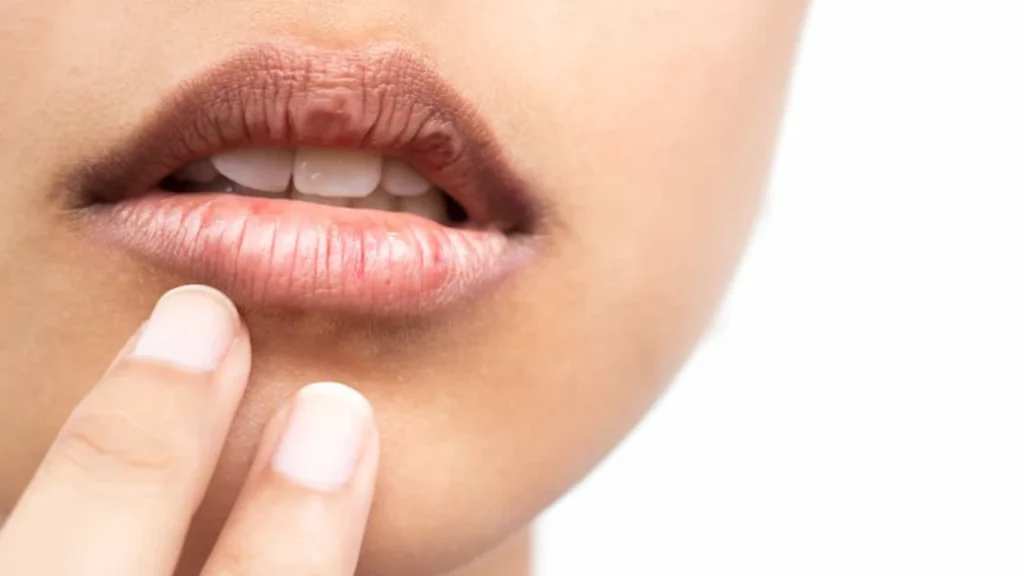
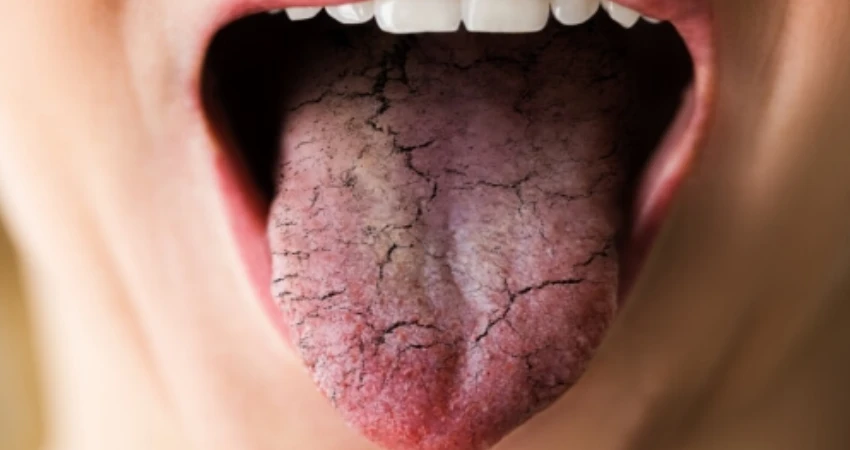
Cracks or sores may develop at the corners of the mouth and on the lips, accompanied by a burning or tingling sensation on the tongue, which may appear red, irritated, or fissured.
Over time, untreated dry mouth can increase the risk of dental caries, gingivitis and other gum diseases, as well as oral fungal infections such as oral candidiasis. For this reason, symptoms of dry mouth should not be ignored, and it is important to consult a physician or dentist for proper evaluation and treatment.
Risks of Ignoring Dry Mouth
Leaving dry mouth (xerostomia) untreated doesn’t just cause the constant, uncomfortable feeling of thirst; it can lead to serious complications affecting oral and overall health.
When saliva is reduced, the mouth loses much of its natural ability to cleanse the teeth and neutralize acids. This significantly increases the risk of advanced dental caries, enamel erosion, and the appearance of brown stains and cavities that can be both painful and difficult to treat.
A dry oral environment also creates ideal conditions for bacterial overgrowth, raising the likelihood of gingivitis and periodontitis, gum recession, and persistent halitosis (bad breath) that is not easily resolved with brushing or toothpaste alone.
If dry mouth continues without proper management, the lips and tongue may crack, painful oral ulcers can develop, and patients may experience difficulty chewing, swallowing, and speaking—issues that can directly affect nutrition and overall quality of life.
In some cases, chronic dry mouth may be a sign of systemic conditions such as diabetes mellitus or autoimmune disorders like Sjögren’s syndrome. Ignoring the symptom can delay the diagnosis and treatment of these underlying diseases.
For all these reasons, addressing dry mouth early and consulting a dentist or appropriate healthcare professional is essential to prevent dental decay, periodontal disease, and the broader health complications associated with xerostomia.
Effective Home Remedies to Relieve Dry Mouth (Aligned with Search Intent)
There are several simple home remedies that can help relieve dry mouth (xerostomia) and improve daily comfort without harming your oral health. One of the most important tips is to sip small amounts of water frequently throughout the day to keep the mouth moist and naturally stimulate salivary flow.
Sucking on ice chips or drinking sugar‑free beverages, such as warm herbal teas, can also help reduce the sensation of dryness. Chewing sugar‑free gum or sucking on sugar‑free lozenges containing xylitol helps activate the salivary glands and can lessen bad breath associated with dry mouth.
It is advisable to avoid caffeinated drinks like coffee, black tea, and soft drinks, as well as alcohol and smoking, since they can worsen oral dryness and compromise oral and dental health.
Using a humidifier in the bedroom at night helps increase air moisture and reduce dry mouth during sleep, especially for people who breathe through their mouth or snore.
Good oral hygiene is also essential: brush your teeth twice daily with a fluoride toothpaste and use an alcohol‑free mouthwash to protect the gums and teeth and minimize irritation caused by reduced saliva.
If dry mouth symptoms persist despite these home remedies, it is important to consult a dentist or healthcare professional to assess the underlying cause and prescribe appropriate medical treatment.
Modern Medical Solutions for Treating Dry Mouth
Modern approaches to managing dry mouth (xerostomia) combine medications with supportive therapies designed to stimulate saliva production and protect the oral tissues from complications.
Physicians now frequently prescribe artificial saliva substitutes in the form of sprays, gels, or mouthwashes formulated to mimic natural saliva and provide longer-lasting oral moisture.
Saliva-stimulating medications such as pilocarpine and cevimeline are also used in selected cases under medical supervision, particularly in patients with Sjögren’s syndrome or those with chronic dry mouth following radiotherapy.
Current medical solutions additionally include alcohol-free toothpastes and mouthwashes enriched with fluoride and xylitol to help protect teeth against decay associated with reduced salivary flow.
When dry mouth is related to medications or chronic illnesses, treatment typically focuses on adjusting the offending drug, when possible, or optimizing control of the underlying condition. This is combined with lifestyle recommendations such as regular water intake, the use of sugar-free chewing gum, and avoidance of caffeine and smoking, all of which can help relieve dry mouth symptoms and support the health of the teeth and gums.
Daily Tips to Prevent Dry Mouth
To help prevent dry mouth on a daily basis, make sure you drink enough water throughout the day, preferably in small, frequent sips rather than large amounts all at once. Proper hydration is the first line of defense against dry mouth.
Stimulate saliva production by chewing sugar‑free gum or sucking on sugar‑free lozenges that contain xylitol, as it helps keep the mouth moist and reduces the risk of tooth decay associated with dry mouth.
Avoid beverages that can worsen dryness, such as soft drinks, excessive coffee, strong tea, and alcohol, as they can impair saliva production.
Try to cut down on smoking and tobacco products, as they are among the leading causes of chronic dry mouth.
Brush your teeth and tongue twice daily with a fluoride‑containing toothpaste, and use an alcohol‑free mouthwash to reduce irritation and help restore some moisture.
It is also advisable to use a humidifier in the bedroom, especially at night, since mouth‑breathing during sleep can worsen morning dry mouth.
If you are taking medications known to cause dry mouth—such as certain antihypertensives, antidepressants, or antihistamines—consult your physician or pharmacist about possible alternatives or dose adjustments.
If dry mouth persists or is accompanied by difficulty swallowing or speaking, or by persistent bad breath, you should see a dentist or an internal medicine specialist to rule out underlying conditions such as diabetes, Sjögren’s syndrome, or salivary gland disorders.
By following these simple daily measures, you can reduce dry mouth symptoms, prevent complications like tooth decay and gum disease, and improve your comfort and overall quality of life.
Dry Mouth Treatment in Jeddah at Dr. Ameer Ghayyath Al-Zahrawi’s Clinic
At Dr. Ameer Ghayyath Al-Zahrawi’s clinic in Jeddah, dry mouth is managed as a comprehensive medical condition rather than a minor, transient symptom. The process begins with a thorough assessment of the oral cavity, salivary glands, medical history, and current medications to accurately identify the underlying cause of xerostomia (dry mouth).
Based on the diagnosis, the doctor designs an individualized treatment plan, which may include recommendations to increase water intake, the use of saliva substitutes or moisturizing oral gels, and prescribing alcohol‑free medicated mouthwashes. When necessary, certain medications that may be contributing to reduced salivary flow are adjusted in coordination with the patient’s primary physician.
Dr. Ameer also focuses on managing tooth decay and gum inflammation associated with dry mouth, while providing preventive dietary and therapeutic guidance to maintain oral moisture and long‑term dental health. This comprehensive, evidence‑based approach makes the clinic a suitable choice for those seeking safe and effective dry mouth treatment in Jeddah.