Dental Nerve Inflammation: Causes, Symptoms, and Treatment
Table of Contents
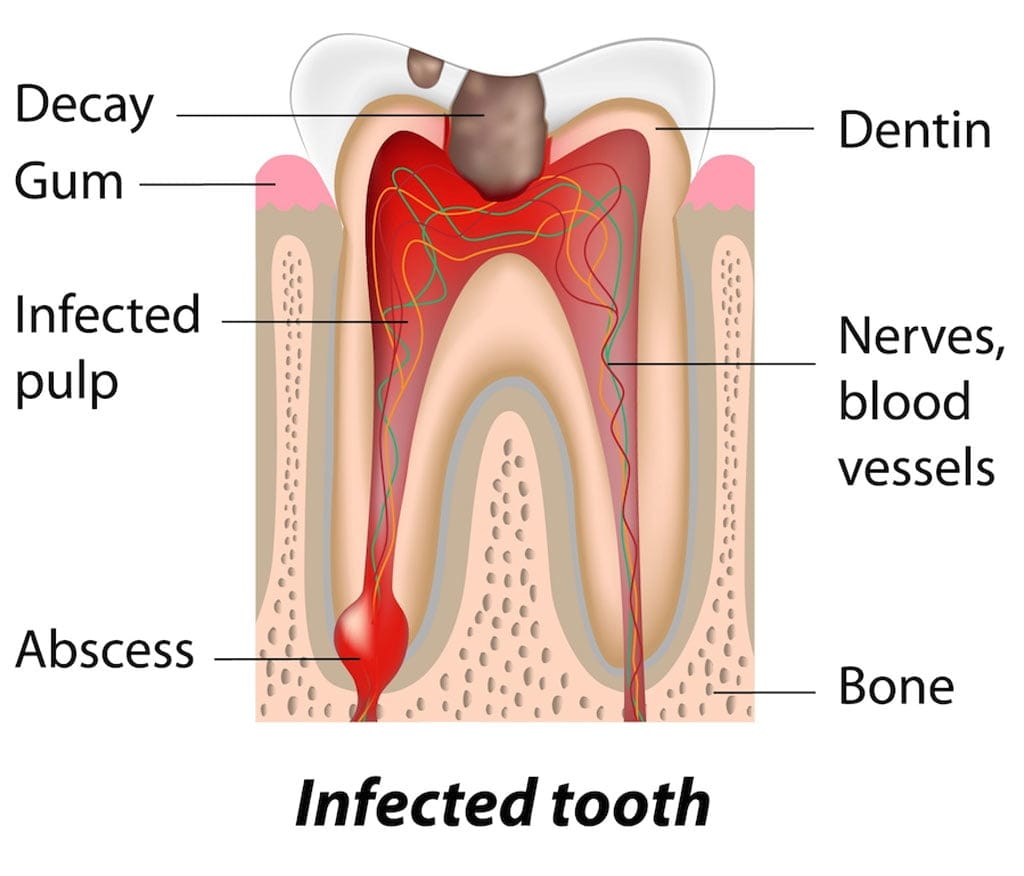
Pain caused by an inflamed dental nerve can be extremely distressing and is often accompanied by symptoms that are hard to ignore. Common signs include sharp, electric shock–like pain. You may also experience prolonged sensitivity to hot or cold foods and drinks. In some cases, even sweet foods can trigger discomfort.With dental nerve inflammation, swelling may develop around the tooth or in the gums. Persistent bad breath or a foul taste in the mouth can also be warning signs. If you notice any of these symptoms, seeking prompt relief for dental nerve pain is essential.When the tooth’s nerve (dental pulp) becomes infected, it can lead to intense sensitivity and localized pain. Many people with an infected dental nerve struggle to identify the exact source of the problem, which makes treatment more challenging.
How Dental Nerve Inflammation Develops
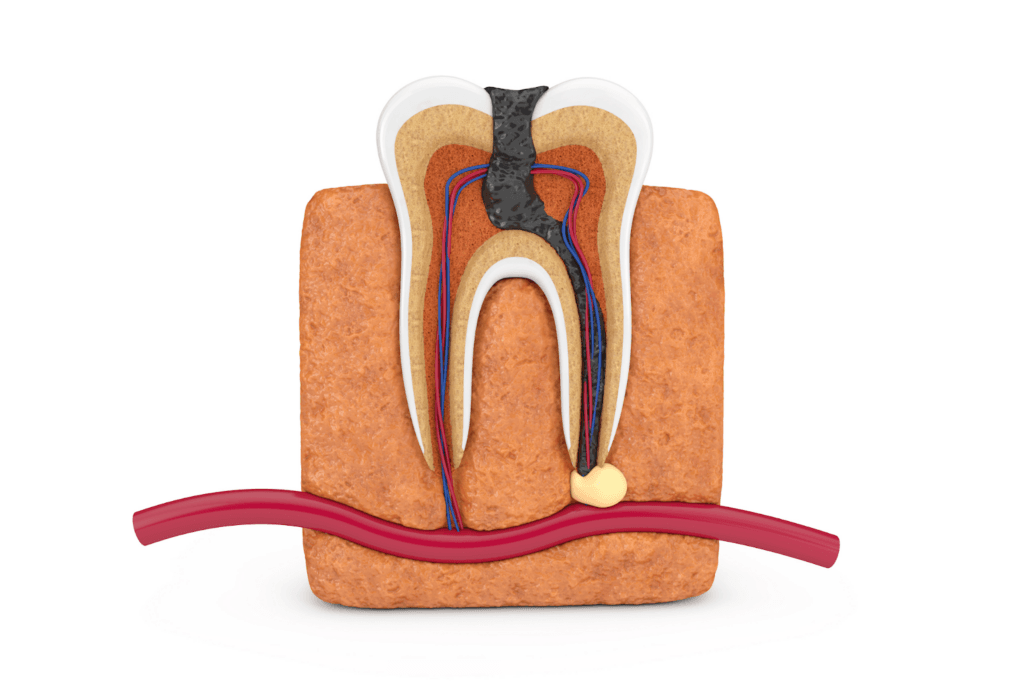
There are several ways a dental nerve can become inflamed. Most often, a nerve infection starts with deep dental decay. Initially, the cavity affects the enamel and dentin, the outer layers of the tooth. If left untreated, the decay can progress until the nerve is exposed to harmful bacteria, resulting in infection.One of the main factors is tooth decay. When a cavity extends deeply enough, it can reach the nerve, causing pain and infection. Dental trauma, such as cracks or fractures, also poses a serious risk to the health of the nerve.The habit of grinding or clenching teeth (bruxism) puts excessive pressure on the teeth and can contribute to dental nerve inflammation. Understanding these underlying causes enables individuals to better protect their oral health.
Symptoms of Nerve Inflammation

Key symptoms that may indicate dental nerve inflammation include:
1. Persistent Toothache
Ongoing pain or severe throbbing in one area of the mouth may signal an inflamed dental nerve. The pain can sometimes radiate, making it harder to pinpoint the affected tooth. People with an infected dental nerve often experience elevated body temperature and heart rate due to immune system stress. In such situations, it is advisable to seek help from a dentist who specializes in root canal treatment, such as Dr. Amir Al-Zahrawi.
2. Extreme Tooth Sensitivity
Marked tooth sensitivity can be a sign of dental nerve inflammation. Ignoring this infection may lead to tooth damage or loss, along with chronic pain in the jaw and upper neck, and even numbness. If you have severe sensitivity to heat or cold, or discomfort when biting down, it is recommended to schedule a dental consultation to evaluate the possibility of nerve infection.
3. Swollen Gums
Gum swelling can indicate an infection in the tooth’s nerve and may lead to the formation of an abscess—a pocket of pus along the gum line. In some cases, abscesses require urgent medical attention. If you notice swollen gums, it’s important to seek immediate care.
4. Bad Breath
Trapped bacteria can produce unpleasant odors. Persistent, unexplained bad breath may be a consequence of dental nerve inflammation. Seeing a dentist can help determine the source of the odor, perform a thorough cleaning, and assess your mouth for possible nerve infections.
Home Remedies for Dental Nerve Pain
There are several natural home remedies that may help ease the pain associated with dental nerve inflammation, but they do not cure the underlying problem.These measures can provide temporary relief; however, they are not substitutes for professional dental treatment.
Professional Treatment of Dental Nerve Inflammation

Root canal therapy (endodontic treatment) becomes necessary when the tooth’s nerve is damaged due to injury or decay-related infection. When the tooth crown is badly broken down or extensively decayed, treatment may also involve rebuilding the tooth using a post and crown to restore both function and appearance.The tooth’s nerve is not essential for the tooth’s structural integrity or function. Its primary role is sensory, allowing the tooth to detect temperature changes. The presence or absence of the nerve does not affect the tooth’s everyday function.Signs that you may need professional treatment for dental nerve inflammation include severe toothache, discomfort when chewing or applying pressure, intense or lingering pain in response to hot or cold stimuli, tooth discoloration (darkening), and swollen or tender gums in the surrounding area.If root canal treatment is not sufficient to resolve nerve damage caused by infection, surgical intervention may be required. Common procedures can include various endodontic microsurgeries, such as apicoectomy (root-end surgery), depending on the case.
Root Canal Procedure and Tooth Structure
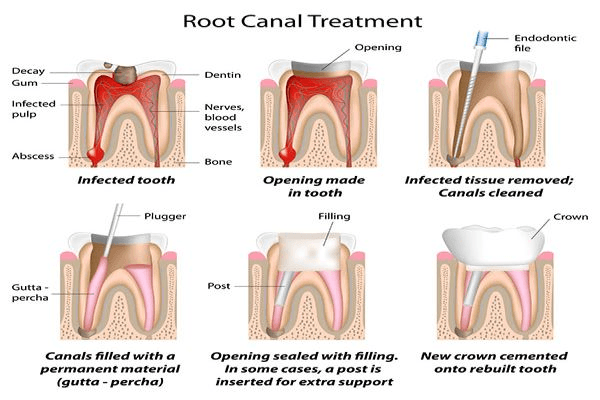
Before starting root canal therapy, the dentist will perform a thorough evaluation and usually take X-rays to assess the extent of the infection. A typical root canal procedure involves the following steps:– Numbing the tooth and surrounding area with local anesthesia – Creating an opening in the tooth to access the pulp chamber – Removing the infected or dead nerve tissue and cleaning the root canals – Disinfecting and shaping the canals – Filling the canals with a biocompatible material (such as gutta-percha) – Sealing the tooth and, if needed, placing a crown to restore strength and function
Preventing Dental Nerve Inflammation
Prevention is the most effective way to manage dental nerve inflammation. While it may not be possible to completely eliminate the risk of nerve infection, certain measures can significantly reduce it, such as:– Maintaining good oral hygiene with regular brushing and flossing – Limiting sugary foods and drinks – Using a mouthguard if you grind or clench your teeth – Visiting the dentist regularly for checkups and professional cleanings – Promptly treating cavities, cracks, or other dental problems before they reach the nerve
Treatment of Dental Nerve Inflammation in Jeddah

At Dr. Abeer Zandaqi’s clinic in Jeddah, treatment for dental nerve inflammation is provided through comprehensive examinations to identify the cause of the inflammation, which can lead to pain and discomfort. Treatment options may include root canal therapy, medication, or other procedures aimed at relieving symptoms and saving the tooth.Dr. Abeer prioritizes patient comfort and effective care to help patients manage pain and restore their oral health.