Dental Implant Alternatives
Table of Contents
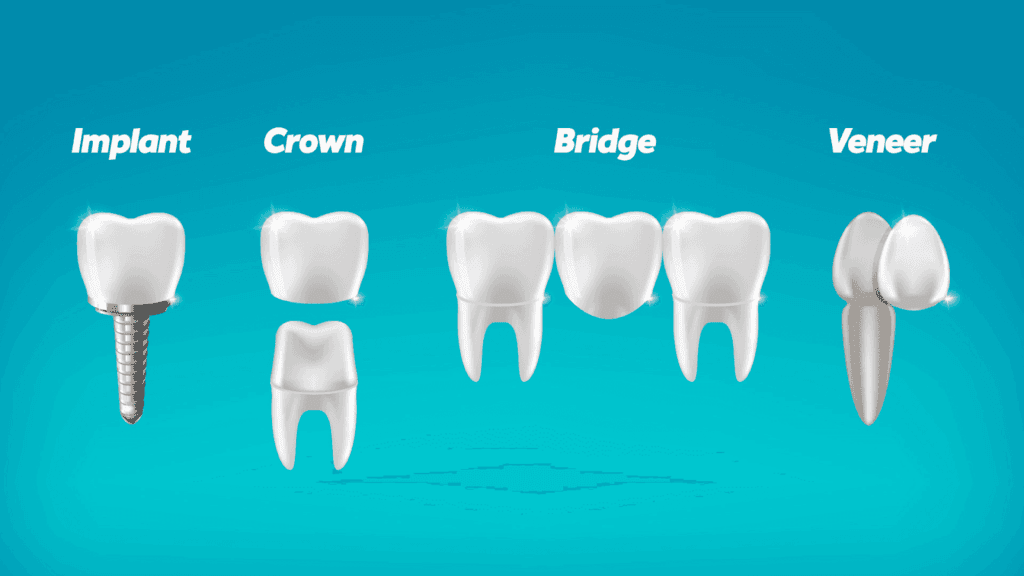
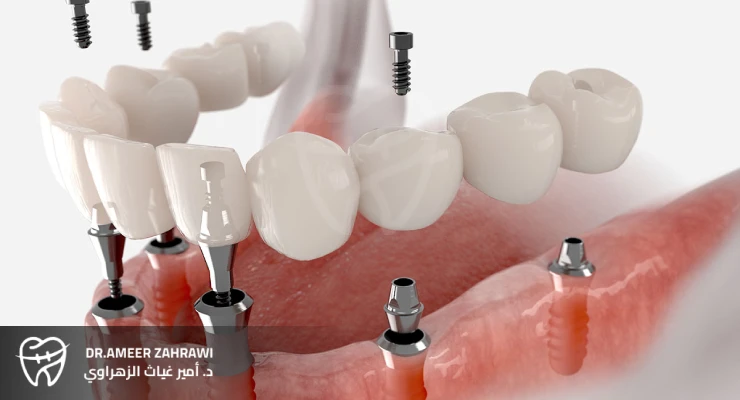
Dental implants are a fixed, long-term solution for missing teeth. A titanium implant is surgically placed into the jawbone, and then a restoration (such as a crown or bridge) is attached to the implant.Implants are an excellent way to replace missing teeth because they look and function like natural teeth and don’t require special daily care beyond regular oral hygiene. They can also help preserve jawbone density, since tooth loss can lead to gradual bone resorption in the jaw.While dental implants are a popular option for replacing missing teeth, they’re not the only choice. If you’re considering implants and want to explore other possibilities, keep reading. In this article, we’ll discuss the main alternatives to dental implants.
What Are the Main Alternatives to Dental Implants?
Fortunately, several alternatives to dental implants can restore both your smile and your ability to chew and speak comfortably. Some of the best alternatives include:
1. Dental Bridges
Dental bridges are one of the most common alternatives to implants. A bridge consists of one or more artificial teeth (pontics) anchored in place by crowns placed on the healthy natural teeth next to the gap. These artificial teeth “bridge” the space left by the missing tooth or teeth—hence the name.
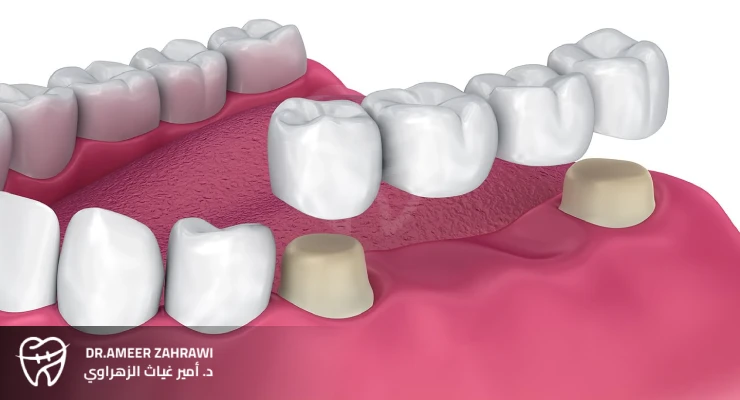
Types of Dental Bridges
There are several types of dental bridges:
Advantages of Dental Bridges:
Disadvantages of Dental Bridges:
2. Dentures
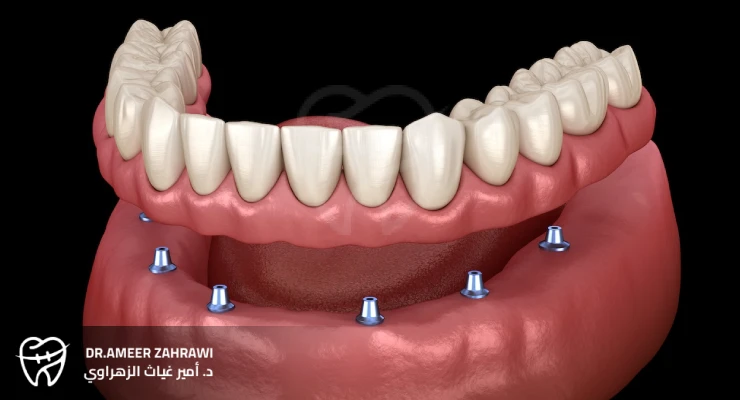
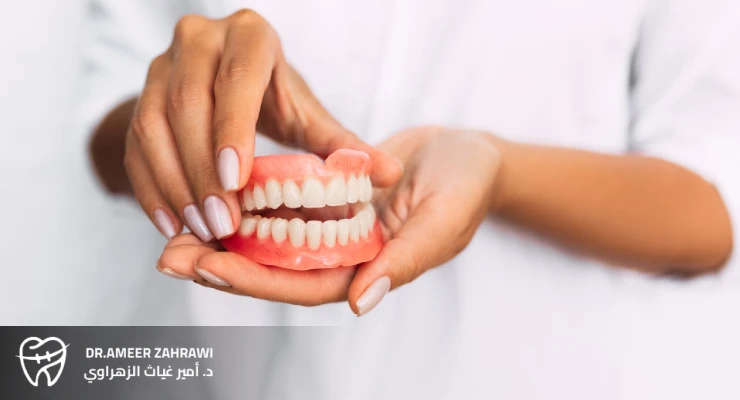
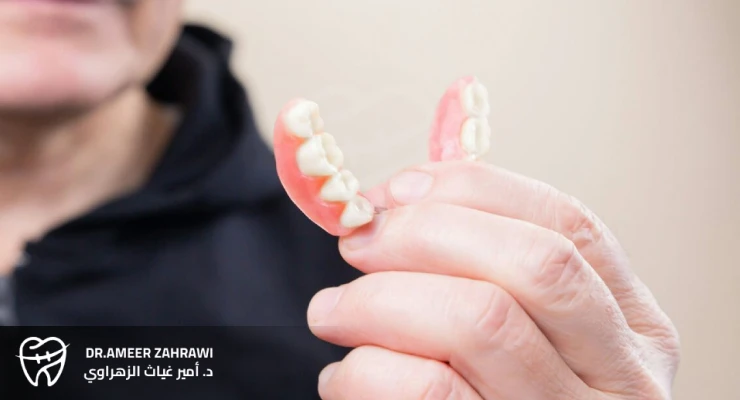
Dentures are removable prosthetic devices designed to replace missing teeth. They come in two main types: complete (full) dentures, which replace all of the teeth in the upper or lower jaw, and partial dentures, which replace only a few missing teeth while leaving the remaining natural teeth in place.
Types of Dentures
Advantages of Dentures:
Disadvantages of Dentures:
3. Removable Partial Dentures
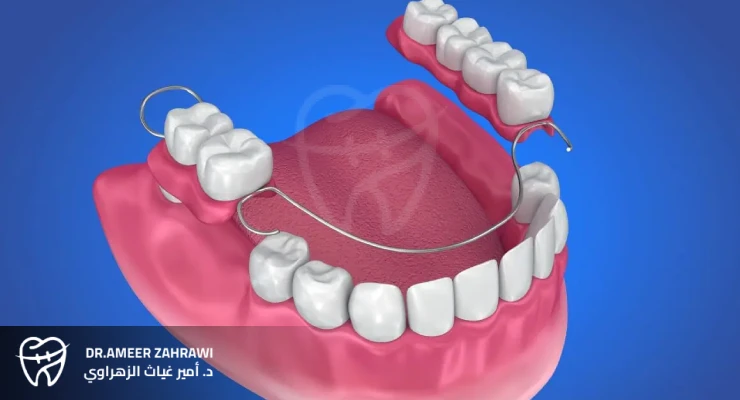
Removable partial dentures are an option for patients who have lost several teeth but still have some natural teeth remaining. These prostheses consist of replacement teeth attached to a gum-colored acrylic base, which is connected to a metal framework that helps hold the partial denture securely in place.
Advantages of Removable Partial Dentures:
Disadvantages of Removable Partial Dentures:
Who Is a Candidate for Them?
Dental implant alternatives are often preferred for several reasons:1. Dental implants are not ideal for some patients, including those who: 2. Find implants too expensive and therefore look for more affordable options. 3. Prefer non-surgical, less invasive tooth-replacement solutions.
Benefits of Using Dental Implant Alternatives
Dental implants are a popular tooth-replacement option, but they’re not suitable for everyone. Fortunately, there are several alternatives, each with its own advantages:1. Cost-EffectivenessOne of the biggest benefits of alternatives such as dentures, bridges, or partials is that they generally cost less than dental implants. Many patients find these traditional options more budget-friendly, which makes dental care more accessible.2. Non-Surgical ProceduresAlternatives like removable dentures or dental bridges typically require less invasive procedures. For patients who are anxious about surgery or have medical conditions that make surgery risky, these options can be more comfortable and appropriate.3. Easier MaintenanceCleaning and maintaining some alternatives—particularly removable dentures—can be simpler. Patients can take them out for thorough cleaning, which helps reduce plaque and bacterial buildup.4. Faster SolutionsImplant treatment usually involves multiple appointments and a longer healing period. In contrast, bridges and dentures can often be fabricated and fitted in a shorter time frame, giving patients a quicker solution to missing teeth.5. FlexibilityBridges and dentures can be adjusted, relined, or replaced more easily than implants. This flexibility allows for modifications as the patient’s needs change over time, especially when there are changes in jawbone structure or overall oral health.
Side Effects of Dental Implant Alternatives
Although implant alternatives offer important benefits, they can also come with potential side effects:1. Discomfort or PainSome patients experience discomfort when first wearing dentures or bridges. Initial adjustments may cause sore spots in the mouth or temporary difficulty with chewing.2. Jawbone DeteriorationUnlike dental implants, which fuse with the jawbone (osseointegration), alternatives such as dentures do not stimulate the bone. Over time, this can lead to bone loss, changes in facial structure, and additional dental issues.3. Loss of StabilityRemovable dentures may move or shift while eating or speaking, causing discomfort and possible embarrassment. For some patients, this lack of stability is a significant drawback.4. Gum IrritationWearing dentures or bridges can irritate the gums, especially if they do not fit properly. Persistent irritation can lead to inflammation and, if left untreated, may increase the risk of infection.
Longevity of Dental Implant Alternatives
The lifespan of dental implant alternatives varies greatly depending on the type of restoration, how well it’s cared for, and individual oral conditions:1. DenturesComplete or partial dentures typically last about 5 to 10 years. However, they may need adjustments, relining, or replacement over time because the mouth and jawbone slowly change shape.2. Dental BridgesDental bridges can last anywhere from 5 to 15 years, depending on the materials used, oral hygiene habits, and regular professional care. Routine dental checkups are essential to extend their lifespan.3. Partial DenturesLike full dentures, partial dentures usually last around 5 to 15 years. Their durability is also influenced by the health and stability of the remaining natural teeth that help support them.
Do They Cause Gum Problems?
Alternatives to dental implants—such as dentures, bridges, and partial dentures—can contribute to gum problems, especially if they are poorly fitted or not properly maintained. Potential gum-related issues include:1. Gum irritation 2. Gingivitis (gum inflammation) 3. Bone loss 4. Periodontal (gum) disease
Which Is Better: Conventional Implants or Alternatives?
Choosing between traditional dental implants and their alternatives depends on several factors, including your oral health, medical history, budget, and personal preferences. Below are some considerations for each option:
Conventional Dental Implants
Advantages:Disadvantages:
Dental Implant Alternatives
Advantages:Disadvantages: