Dental Fissure Sealants
Table of Contents
Dental fissure sealants are applied to reduce the chance of children developing tooth decay, especially in a time when almost everything we eat is loaded with sugar. Even some “healthy” drinks and energy beverages contain high amounts of sugar.Sealing teeth with fissure sealants to prevent cavities is a safe, cost‑effective procedure. If you want to learn more about this semi‑permanent treatment to help maintain good oral health, this article is for you. Keep reading to learn everything you need to know about dental fissure sealants.
What Are Dental Fissure Sealants?
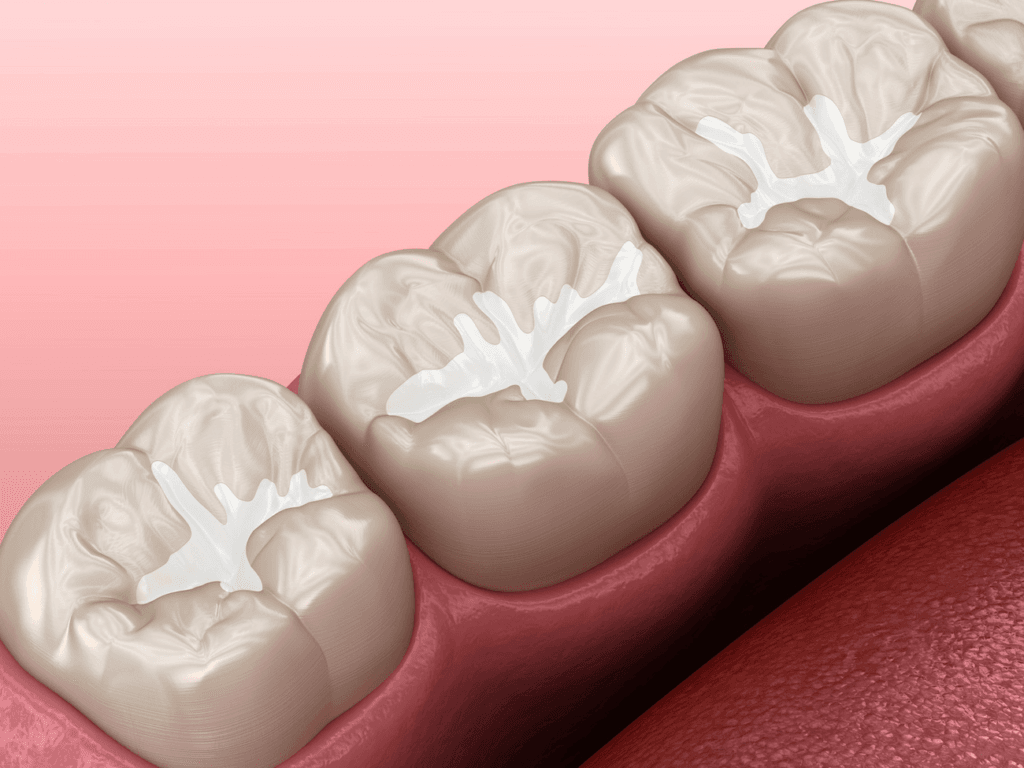
Dental fissure sealants, often simply called “sealants,” are thin, invisible plastic resin coatings applied to the chewing surfaces of teeth to help prevent tooth decay. They are most commonly placed on premolars and molars—the back teeth.Sealants flow into the natural pits and grooves of the teeth and then harden, forming a protective shield over the tooth enamel. The procedure is painless and highly effective in preventing decay. Studies show that fissure sealants can reduce the risk of cavities in permanent molars by up to 80%.
Why Are Dental Fissure Sealants Used?
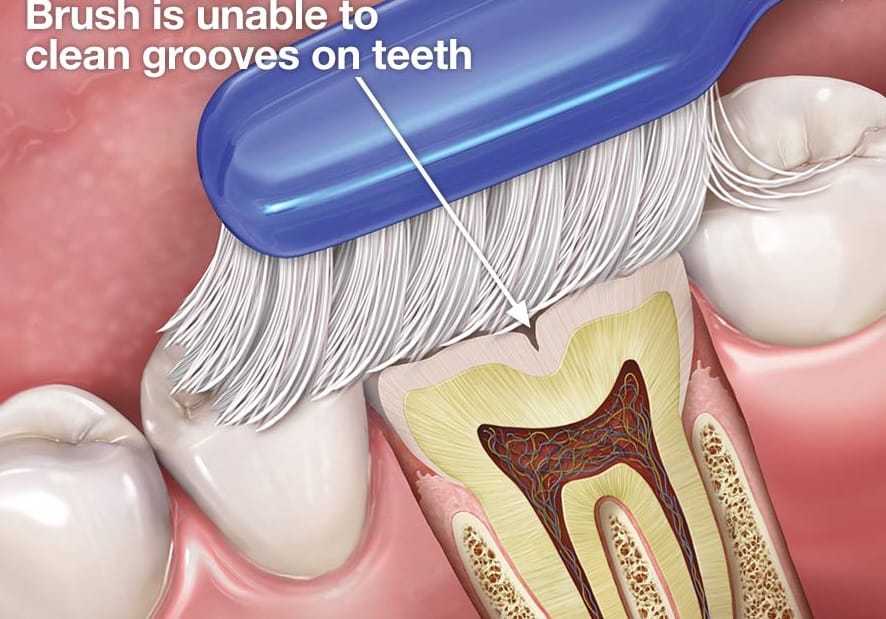
As teeth develop, deep pits, fissures, and grooves can form on the chewing surface. These pits and fissures are the areas most likely to develop cavities, especially in children, accounting for more than 50% of decay in kids.The deep grooves on the biting surface are called fissures, and the points where these grooves intersect are called pits. Pits and fissures are a natural part of tooth anatomy and vary in shape and depth. These deep areas are ideal places for food particles and dental plaque to accumulate.Toothbrush bristles are often too thick to effectively clean these tiny, narrow spaces. As food debris and bacteria build up, decay is more likely to develop. Enamel in pits and fissures also tends to be thinner and weaker, which further increases the risk of cavities. Once decay has formed and a cavity is present, the dentist must restore the tooth, and a pit and fissure sealant can no longer be placed on that area.
Advantages of Dental Fissure Sealants
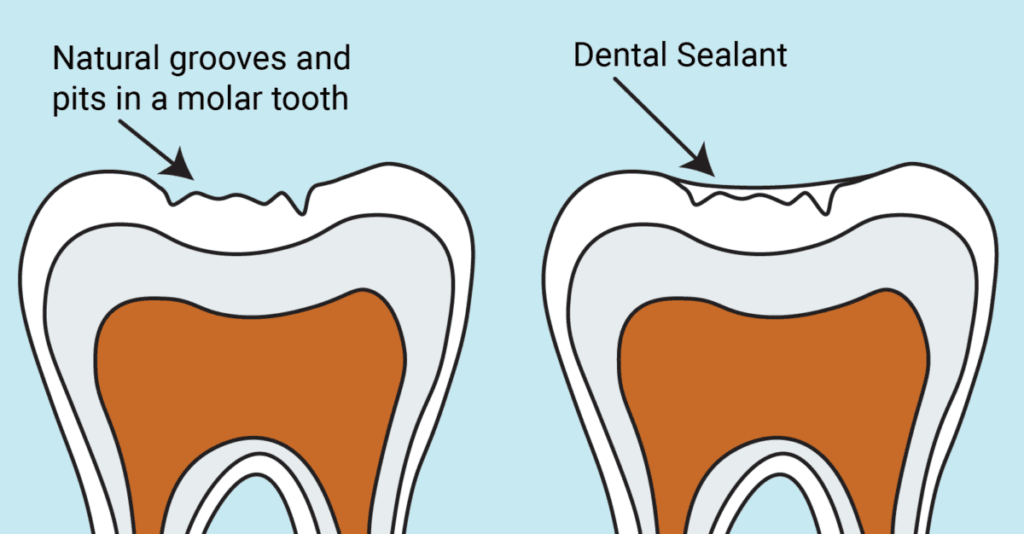
Here are the 6 most important benefits of dental fissure sealants:
1. Protects Against Cavities, Plaque, and Bacteria
Sealants act as a protective coating that prevents plaque and bacteria from collecting in the pits and grooves. As a result, they help protect teeth from decay and infection over the long term.
2. Reduces Deep Grooves
Compared with other teeth that may have shallower grooves, molars typically have deeper pits and fissures. Food particles easily get trapped in these areas, and sometimes toothbrushes cannot clean them effectively. This trapped food leads to plaque buildup and bacterial growth. Sealants help prevent decay in these areas by creating a smooth, protective barrier over them.
3. Quick and Painless Procedure
Unlike many other dental procedures, applying fissure sealants is completely painless. It is also simple and quick, usually completed in one short visit that involves cleaning the teeth and then placing the sealant.
4. Cost‑Effective Dental Treatment
Sealants are an affordable preventive dental service. Because they help prevent cavities, they can save patients from needing more expensive restorative treatments, such as fillings, crowns, or root canals. In that sense, sealants are much more economical than repairing decayed teeth later.
5. Long‑Lasting and Durable
Dental fissure sealants are long‑lasting and can protect teeth for many years with proper care and maintenance. They typically provide effective protection for at least 5–10 years. This lifespan can be extended further with good oral hygiene and by avoiding biting on very hard foods. With appropriate care, this preventive treatment continues to offer reliable protection over time.
6. Promotes Better Oral Health
By sealing pits, fissures, and small grooves on the chewing surfaces, sealants reduce the likelihood that food particles will get trapped in the teeth. This helps support better overall oral hygiene and decreases the risk of decay.
Who Is a Candidate for Dental Fissure Sealants?
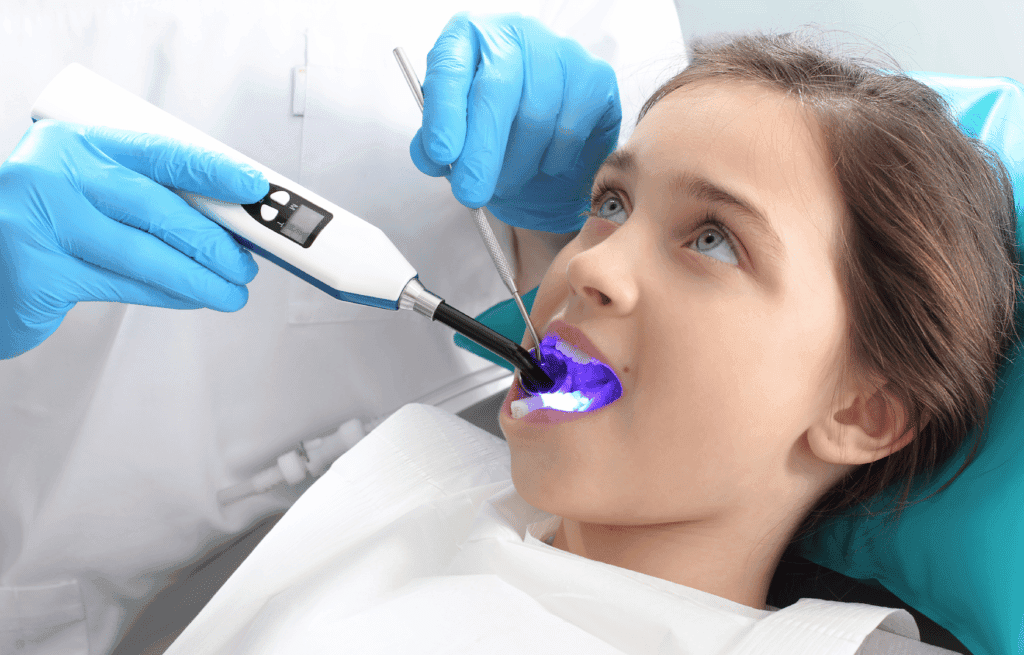
People of all ages can develop tooth decay, so this preventive procedure can be beneficial for children, teens, and adults. However, children are at the highest risk for cavities.Sealants are typically recommended for children starting around age six, when the first permanent molars erupt, and for adults who do not yet have cavities or fillings in those teeth. It is generally advised that children receive sealants on their permanent molars and premolars as soon as these teeth come in.
What Is the Difference Between Fissure Sealants and Regular Fillings?
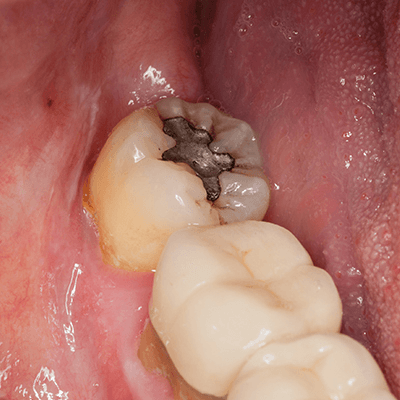
Both dental fillings and fissure sealants help preserve tooth structure and maintain oral health, but they are used for different purposes and in different situations. Here are the main distinctions between them:
First: Dental Fissure Sealants
Sealants are a preventive measure used to protect healthy teeth from developing cavities. They are applied to intact chewing surfaces that have deep pits and fissures but no decay.
Second: Dental Fillings
Fillings are a restorative treatment used to repair teeth that have already been damaged by decay or trauma. While sealants are placed to prevent cavities from forming, fillings are used to treat existing cavities and restore the tooth’s structure and function.
Side Effects of Dental Fissure Sealants
Dental fissure sealants are considered a safe and effective preventive option for reducing the risk of tooth decay. However, as with any dental procedure or treatment, there may be some potential side effects. Possible side effects can include: