What Are Cosmetic Dental Veneers? Benefits and Uses
Table of Contents
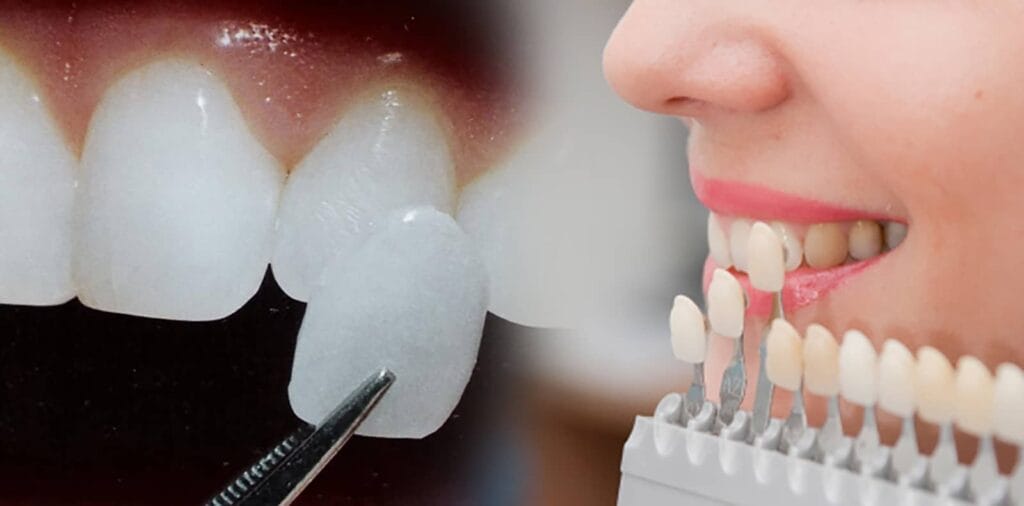
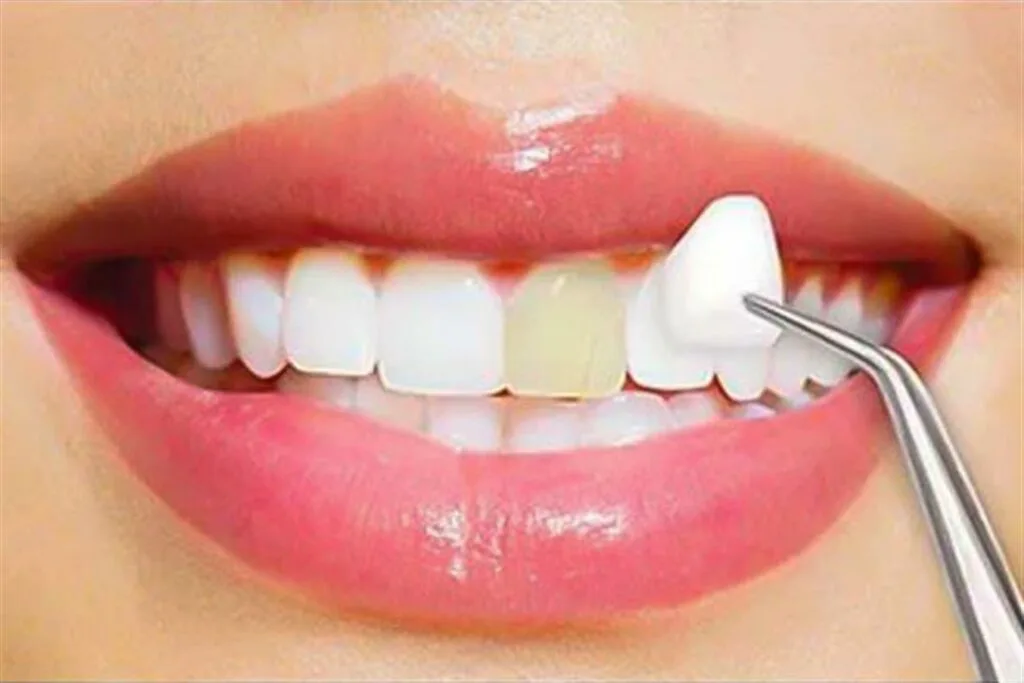
Cosmetic dental veneers are ultra-thin shells, most commonly made from porcelain or high‑quality ceramic, that are bonded to the front surface of the teeth to improve their shape, color, and alignment with minimal tooth reduction. This sets them apart from traditional veneers, which are thicker and usually require more enamel removal.These cosmetic veneers are used to close small gaps between teeth, correct deep or resistant discolorations that do not respond well to whitening, mask minor chips and surface cracks, and reshape short or slightly misshapen teeth to create a more attractive and natural-looking smile.One of the main advantages of cosmetic dental veneers is that they preserve more of the natural tooth enamel and provide a highly aesthetic, glossy appearance that closely resembles natural teeth. They are also more color-stable and stain-resistant than fillings or repeated whitening procedures.Cosmetic veneers are an excellent option for people seeking a quick “Hollywood smile” with long-lasting results, provided that a qualified dentist carefully evaluates the case to determine whether they are more suitable than traditional veneers or other cosmetic dentistry solutions.
What Are Traditional Dental Veneers and How Are They Placed?
Traditional dental veneers are thin shells, typically made from high‑quality dental porcelain, that are bonded to the front surface of the teeth to improve their shape and color and correct defects such as severe staining, spaces between teeth, and worn or chipped edges.Traditional veneers differ from cosmetic ultra‑thin veneers in that they usually require removing a small amount of enamel to create space for the veneer, ensure strong bonding, and achieve a natural appearance.Placing traditional veneers involves several steps, beginning with a clinical examination and X‑rays to verify the health of the teeth and gums, followed by designing an appropriate cosmetic treatment plan. The dentist then prepares the tooth by removing a thin layer of enamel, takes precise impressions, and sends them to the dental laboratory to fabricate custom veneers.At the next visit, the veneers are tried in to check the color, shape, and harmony with the smile. Once approved, they are bonded using special dental cements and light‑curing technology to strengthen the bond and provide long‑term stability.Traditional veneers help achieve a natural, attractive smile while also improving function and appearance, as long as the procedure is performed by a specialist and the patient follows proper daily oral care instructions.Read more about: Types of Dental Veneers
Difference in Thickness and Tooth Preparation Between Cosmetic Veneers and Traditional Veneers
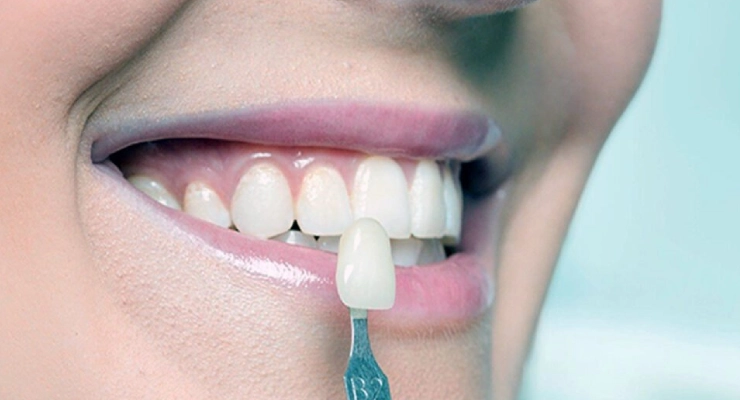
Cosmetic veneers and traditional veneers differ significantly in thickness and the amount of tooth preparation required, which directly affects long‑term tooth health.Cosmetic veneers (such as Lumineers) are extremely thin, typically ranging from about 0.2 to 0.3 mm. This allows them to be placed on the tooth surface with very minimal or sometimes no enamel reduction at all. As a result, more of the natural enamel is preserved, which lowers the risk of sensitivity or weakening of the tooth.Traditional veneers, on the other hand, are thicker, usually between 0.5 and 1 mm. They therefore require removing a portion of the enamel to create enough space so that the veneers do not appear bulky or unnaturally prominent.From a clinical standpoint, the conservative preparation associated with cosmetic veneers minimizes loss of tooth structure, whereas traditional veneers call for deeper and more precise preparation to ensure secure bonding and a uniform, aesthetically pleasing result.The choice between cosmetic veneers and traditional veneers in terms of thickness and preparation depends on each patient’s dental condition, degree of discoloration, presence of fractures or misalignment, and the cosmetic dentist’s assessment of the most appropriate treatment plan.Read more about: The Difference Between Traditional Veneers and Composite Veneers – Which Is Better for Your Smile?
Aesthetics: Cosmetic Veneers or Traditional Veneers?
When comparing the aesthetic outcome of cosmetic veneers versus traditional veneers, the design of the veneer, its translucency, and the shade of the material play a key role in achieving a natural smile that harmonizes with skin tone and eye color.Cosmetic veneers (ultra‑thin, bonded veneers) are known for creating a bright, glossy appearance while maintaining higher translucency, making them an excellent choice for people who want to gently enhance the color and shape of their teeth without an artificial look.Traditional veneers offer stronger masking of severe discolorations, gaps, and cracks, with the added advantage of precisely reshaping the tooth to create a well‑balanced Hollywood‑style smile.The most suitable option from an aesthetic perspective depends on the starting condition of the teeth, the severity of staining, and the existing smile line. For that reason, a consultation with a cosmetic dentist is always recommended to decide whether cosmetic veneers or traditional veneers are better suited to achieve long‑lasting, natural-looking results in person and on camera.
Durability and Lifespan of Cosmetic Veneers vs. Traditional Veneers
Cosmetic veneers and traditional veneers differ noticeably in durability and expected lifespan, which can influence the patient’s treatment decision and long‑term plan.Traditional veneers are usually made from high‑quality porcelain or advanced ceramic, giving them excellent strength and resistance to staining and wear. With proper oral care, they can last around 10–15 years or even longer.Cosmetic veneers (such as Lumineers or other bonded ultra‑thin veneers) are thinner than traditional veneers and may be made from ceramic or composite‑based materials. They are often designed with less alteration of tooth structure, and their average lifespan typically ranges from about 7 to 10 years, depending on material quality and placement technique.Actual durability for both types depends on several factors, including the cosmetic dentist’s expertise, material quality, bonding technique, oral hygiene, and the use of a night guard in patients with bruxism (teeth grinding).Lifestyle habits such as smoking, frequent coffee and tea consumption, nail biting, or using teeth to open packages can all shorten the lifespan of cosmetic and traditional veneers. Therefore, dentists recommend regular checkups to maintain color stability and bond strength for as long as possible.
Cost: Which Is Better for You, Cosmetic Veneers or Traditional Veneers?
When comparing the cost of cosmetic veneers and traditional veneers, it is important to evaluate the price in terms of long‑term value rather than focusing only on the cost of the initial visit.Cosmetic veneers (such as Lumineers and other no‑prep or minimal‑prep veneers) are often more expensive per tooth than traditional veneers, because they rely on highly aesthetic materials and advanced digital technologies for design and fabrication.Traditional veneers may appear less expensive in some practices, but they typically involve more enamel reduction, which means a permanent commitment to veneering and possible future replacement at an additional cost.The final cost of either cosmetic or traditional veneers depends on the number of teeth treated, the cosmetic dentist’s experience, the quality of the dental laboratory, the type of material used (porcelain, advanced ceramics, or hybrid materials), as well as the clinic’s location and equipment.Choosing the right option for you should not be based on price alone. It requires balancing cost against preservation of natural tooth structure and the longevity of aesthetic results—something that is best determined by a specialist after a thorough examination and digital smile analysis.
Who Is a Good Candidate for Cosmetic Veneers, and Who Is Better Suited for Traditional Veneers?
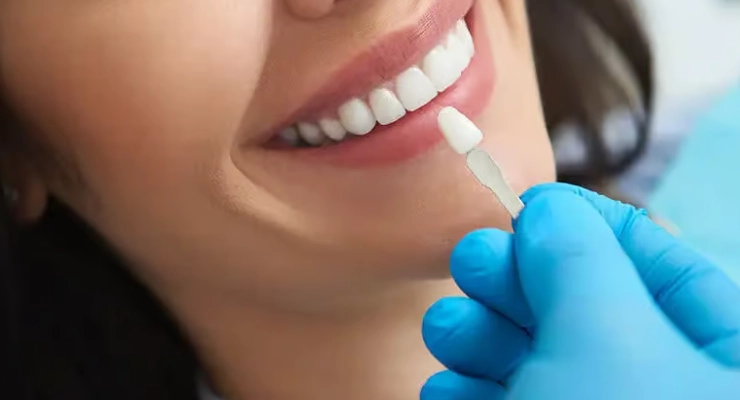
Cosmetic veneers are suitable for people who want to enhance the appearance of their teeth—color and shape—with minimal enamel reduction. They are ideal for cases with mild discoloration, small gaps between front teeth, or slight irregularities in tooth size and shape, as long as the patient has healthy gums and no active tooth decay.Traditional veneers are more appropriate for more complex cases, such as teeth with severe discoloration that do not respond to whitening, larger fractures in the front teeth, significant enamel wear, or moderate misalignment that requires noticeable correction in shape and orientation.Traditional veneers are also preferred for patients seeking a stronger, more stable, and longer‑lasting cosmetic solution. A specialist dentist should carefully assess each case to explain the difference between cosmetic veneers and traditional veneers and select the option that offers the best balance of aesthetics, safety, occlusion (bite) harmony, and preservation of natural tooth structure.You may also like: How to Choose the Ideal Veneer Shade for Your Smile
Learn About Dr. Abeer’s Services for Designing the Perfect Smile with Veneers and Cosmetic Shells
Dr. Abeer offers a comprehensive range of services dedicated to creating the ideal smile using both cosmetic dental veneers and traditional veneers, relying on the latest digital technologies to plan the smile before starting any procedure.Her approach begins with a thorough oral examination and high‑resolution digital imaging to determine what is best for each case: ultra‑thin cosmetic veneers that often require little to no enamel reduction, or traditional veneers that provide more extensive correction of tooth color, shape, gaps, and fractures.Dr. Abeer focuses on using high‑quality veneer materials that closely mimic natural tooth color and resist staining, while always maintaining a healthy balance between aesthetics and function so that your smile looks natural and harmonizes with your facial features.Her advanced services also include fine-tuning the bite (occlusion) to prevent tooth sensitivity or temporomandibular joint (TMJ) issues, along with providing clear post‑treatment instructions for caring for veneers and cosmetic shells to preserve their color and maximize their lifespan—making her clinic an excellent destination for anyone seeking a safe, reliable Hollywood smile.
Frequently Asked Questions About Cosmetic Veneers and Dental Veneers
Are cosmetic dental veneers permanent?
Cosmetic veneers are not permanent for life, but they are long‑lasting. Their average lifespan is usually about 7–10 years, depending on material quality, daily care, and lifestyle habits, after which they may need to be replaced.
Do veneers damage teeth?
Veneers do not harm the teeth when properly planned and placed by a qualified dentist. Only a thin layer of enamel is removed to ensure good retention and fit, and the tooth maintains its health and function with appropriate oral care.
Which option preserves tooth enamel better: cosmetic veneers or traditional veneers?
Cosmetic veneers are generally more conservative because they are very thin and can often be placed with minimal enamel reduction, whereas traditional veneers require slightly deeper preparation.
Can cosmetic veneers be removed after placement?
In many cases, cosmetic veneers can be removed or replaced, especially if little or no enamel was removed initially. However, the decision depends on the type of material used and the condition of the underlying tooth.
How long does it take to get veneers (cosmetic or traditional)?
Treatment usually requires two to three visits: – Examination and smile design – Tooth preparation and taking impressions – Bonding the final veneers or cosmetic shells