What Is a Chronic Dental Abscess?
Table of Contents
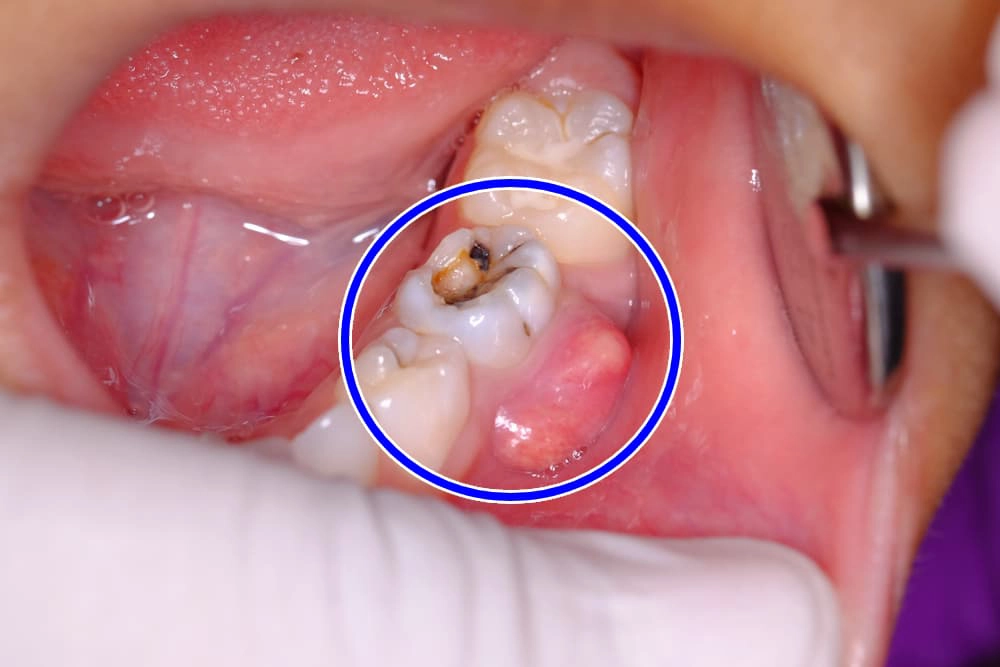
A chronic dental abscess is a long‑standing infection that develops around the root of a tooth or in the gums as a result of a bacterial infection that has not been fully treated. Unlike an acute abscess, it often progresses quietly without intense, sudden pain. A chronic abscess is typically characterized by a small pocket of pus that may appear on the gum as a tiny opening or blister, which can occasionally drain pus or foul‑smelling fluid.This type of abscess usually develops due to deep dental decay that has reached the pulp (nerve) of the tooth, an incomplete or poorly done root canal treatment, or chronic periodontal (gum) disease that weakens the jawbone supporting the tooth.In many cases, the patient only experiences vague or mild symptoms such as a bitter taste in the mouth, persistent bad breath, a slight feeling of pressure on the tooth, or mild gum swelling. This makes a chronic dental abscess a “silent” condition that may persist for months or even years without being diagnosed. Ignoring a chronic gum abscess or a chronic periapical abscess (around the tooth root) can lead to loss of the supporting bone, tooth mobility, and eventual tooth loss. In more serious situations, the infection can spread to other areas of the jaw or even to other parts of the body.Regular dental checkups and radiographic examination (dental X‑rays) are therefore essential for detecting a chronic dental abscess early and treating it before serious complications occur.

Causes of a Dental Abscess
A chronic dental abscess usually develops when tooth decay is neglected for a long time. Bacteria gradually penetrate through the enamel and dentin until they reach the pulp, causing a chronic infection that eventually leads to a collection of pus at the root tip. Chronic abscesses may also appear after an incomplete, old, or failed root canal treatment, or as a result of microscopic cracks in the tooth that allow bacteria to enter unnoticed for an extended period.Chronic gum disease, such as advanced periodontitis and gum recession, is another major contributing factor. These conditions expose the tooth roots and make it easier for bacteria to reach the surrounding bone and form a chronic periodontal (gum) abscess. Poor oral hygiene habits, infrequent dental visits, and a diet high in sugar all increase the risk of developing a chronic dental abscess—especially in people with diabetes or weakened immune systems, whose bodies are less able to fight bacterial infections in the mouth.
Symptoms of a Dental Abscess You Should Not Ignore
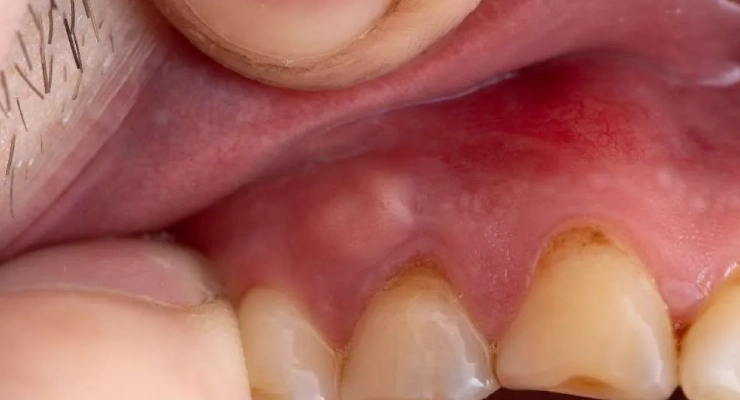
The symptoms of a chronic dental abscess tend to appear gradually and are often less intense than those of an acute abscess, which makes early detection more difficult and raises the risk of complications if left untreated. One of the key signs of a chronic abscess is persistent or recurring pain in the tooth or gums. This pain may be mild to moderate and often worsens when chewing or when the affected tooth is touched. The patient may also notice mild swelling in the gum or face near the affected tooth, along with redness or puffiness in the area around the root.Another important symptom is a bad taste or foul odor in the mouth due to pus drainage from the gum or through a small channel called a fistula. This fistula may look like a tiny pimple filled with pus on the gum. Patients may experience increased sensitivity to hot or cold drinks, or a feeling of pressure inside the tooth. In some long‑standing cases, the pain may not be severe, but ongoing swelling, discoloration of the tooth, or a general sense of discomfort in the jaw are warning signs that require prompt evaluation by a dentist. Early diagnosis and treatment of a chronic dental abscess are crucial to prevent the infection from spreading to the bone or surrounding tissues.Read more: How Food Affects Oral Health – A Complete Guide
Complications and Risks for Oral and General Health
A chronic dental abscess is a serious condition that can lead to extensive complications if not treated in a timely manner. Ongoing inflammation can cause progressive destruction of the bone supporting the tooth, loosening of the teeth, and formation of deep periodontal pockets, which further increases the risk of chronic periodontitis and eventual tooth loss. Pus and bacteria from a chronic abscess can spread into nearby tissues, leading to facial swelling, osteomyelitis of the jaw (jawbone infection), or sinus infections, particularly when upper teeth are involved.In advanced cases, the infection can enter the bloodstream and spread to distant organs, potentially causing sepsis, infective endocarditis (infection of the heart’s inner lining), and serious complications in people with diabetes or compromised immune systems. Because of these risks, a chronic dental abscess should never be ignored. Prompt consultation with a dentist is essential to protect oral health and prevent potentially life‑threatening systemic complications.
The Latest Methods for Treating a Chronic Dental Abscess
Modern management of a chronic dental abscess begins with an accurate diagnosis to identify the exact source of the infection and how far it has spread before deciding on a definitive treatment plan.In many cases, root canal therapy (endodontic treatment) is the primary option. During this procedure, the dentist cleans and disinfects the root canals to remove bacteria and inflamed tissue, then seals them tightly to prevent the abscess from coming back. If there is significant damage to the root or surrounding bone, the dentist may perform a microsurgical procedure called an apicoectomy (root‑end surgery) to remove the infected tip of the root and surrounding tissue while preserving the tooth whenever possible. In advanced cases, or when the tooth is severely damaged or fractured, extraction may be recommended, followed by thorough cleaning of the socket to prevent the infection from spreading to the bone or adjacent teeth.Antibiotics are used as an adjunctive treatment, especially when there is severe swelling or fever, but they do not replace the need for direct dental treatment of the source of infection. Three‑dimensional imaging, such as cone‑beam computed tomography (CBCT), and dental lasers can improve diagnostic accuracy, enhance disinfection, and promote faster tissue healing. These technologies make the treatment of chronic dental abscesses safer and more effective in the long term.Related article: Recurrent Mouth Ulcers – Causes and Effective Treatment
The Importance of Early Treatment to Prevent Disease Progression
Early treatment of a chronic dental abscess is critical to avoid serious complications that can affect both oral and general health. Delaying treatment allows bacteria to spread from the tooth roots to the surrounding bone and gums, significantly increasing the risk of permanent tooth loss.The infection can also progress into the soft tissues of the face and neck, and in advanced situations, it may enter the bloodstream, leading to severe, potentially life‑threatening infections. Timely intervention by a dentist—whether through root canal treatment, drainage of the abscess, or extraction of a severely damaged tooth—helps control the infection, relieve pain, and reduce the risk of recurrence.The earlier a chronic dental abscess is diagnosed and treated, the better the chances of saving the tooth and avoiding complex and costly procedures such as periodontal surgery or dental implants. For this reason, persistent toothache, gum swelling, or any discharge of pus around a tooth should never be ignored. Immediate dental evaluation is essential for early, effective treatment that stops the problem from progressing and preserves the health of your teeth and gums.

Why Choose Dr. Amir Ghayath Al‑Zahrawi for Treating Chronic Dental Abscesses

Dr. Amir Ghayath Al‑Zahrawi is a distinguished name in the management of chronic dental abscesses, thanks to his extensive experience in both preventive and restorative dentistry and his adherence to the latest evidence‑based protocols for diagnosing and treating root and periodontal infections. He focuses on accurately identifying the underlying cause of the abscess through detailed clinical examination and advanced imaging, which enables him to design an effective treatment plan that preserves the tooth whenever possible and prevents the infection from recurring.He utilizes advanced techniques in root canal therapy, meticulous canal cleaning, and disinfection, combined with the careful selection of appropriate antibiotics when indicated, to achieve rapid control of infection and reduce pain and swelling as quickly as possible. Dr. Amir Ghayath Al‑Zahrawi also adopts a patient‑centered, empathetic approach: he explains each step of the treatment process in clear, simple language, reassures patients at every stage, and provides tailored preventive advice to minimize the risk of future abscesses and maintain long‑term oral health.This comprehensive approach—grounded in scientific precision and personalized care—makes choosing Dr. Amir a reliable option for treating chronic dental abscesses safely and effectively.