What Are Cosmetic Dental Veneers?
Table of Contents
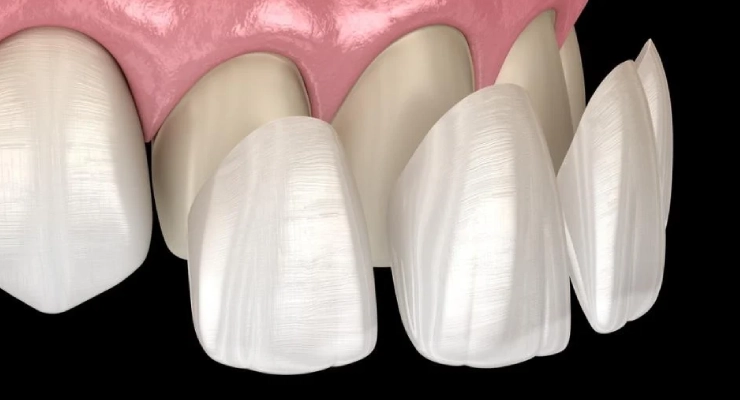
Cosmetic dental veneers are ultra-thin shells, usually made from medical-grade porcelain or composite resin, that are bonded to the front surface of the teeth to improve their color, shape, size, and alignment in a natural, attractive way. Veneers are used to permanently lighten tooth shade, correct deep discoloration, close small gaps, and mask cracks and surface defects.The shade of veneers is carefully selected to either match the natural teeth or give the patient a brighter white that complements their skin tone, gum color, and overall smile. This makes choosing the ideal veneer shade a key step in creating a beautiful, harmonious smile. Veneers are considered an advanced and safe cosmetic procedure when performed by a dentist specialized in cosmetic dentistry, using high‑quality materials and modern adhesive techniques that ensure long‑term stability and a natural appearance.
How Does Veneer Color Affect Your Smile?
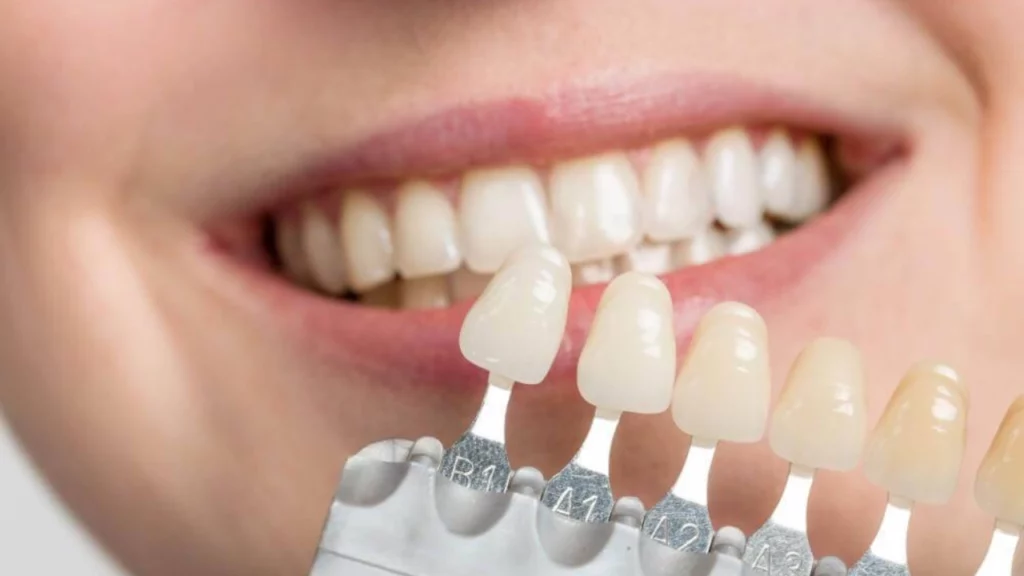
The color of your veneers plays a critical role in enhancing your smile and highlighting your facial features in a natural, appealing way. When the veneer shade harmonizes with your skin tone, the whites of your eyes, and your neighboring teeth, your smile looks more youthful and balanced. In contrast, choosing an overly bright or inappropriate white can create an artificial look that draws unwanted attention.Cosmetic dentists use a professional shade guide to determine the ideal veneer color, taking into account white tones, translucency, and how light reflects off the tooth surface, so that the veneers closely resemble natural enamel. The more balanced the veneers are in brightness and translucency, the better they can mask flaws such as discoloration and gaps and improve how the teeth blend with the lips and the rest of the face.Therefore, choosing the right veneer color doesn’t just give you whiter teeth; it creates a harmonious smile that boosts your confidence and looks natural both in person and in photos.You may also like: Advantages and Disadvantages of Teeth Whitening With Veneers
Key Factors in Choosing the Ideal Veneer Shade (Skin Tone – Lighting – Age)
Choosing the ideal veneer color isn’t just a matter of personal taste; it depends on precise medical and aesthetic factors that ensure a natural, well‑balanced smile. Skin tone is one of the main elements in deciding how white the veneers should be. People with fair skin are often better suited to softer, less “stark” whites so the veneers don’t look fake, while patients with medium or darker skin tones can usually go a bit brighter to make the smile pop without overdoing it.The type of lighting you’re exposed to most of the time also affects how your veneers will look. Strong lighting at work, in studios, or under photography lights reveals details more clearly. For this reason, cosmetic dentists check the color under clinical lighting as well as lighting that mimics natural daylight to ensure the veneers look good in different environments. Age is another important factor; extremely bright white veneers may not be appropriate for older patients and can make the smile look less natural. In such cases, it’s usually better to choose a shade that’s close to the natural tooth color with a touch of translucency or subtle gradation to achieve a more realistic result.Focusing on these elements—skin tone, lighting conditions, and age—helps in selecting the ideal veneer shade that matches facial features and delivers the best Hollywood smile result while maintaining a healthy, natural look for years.
The Difference Between Ultra‑White Veneers and Natural‑Looking Veneers
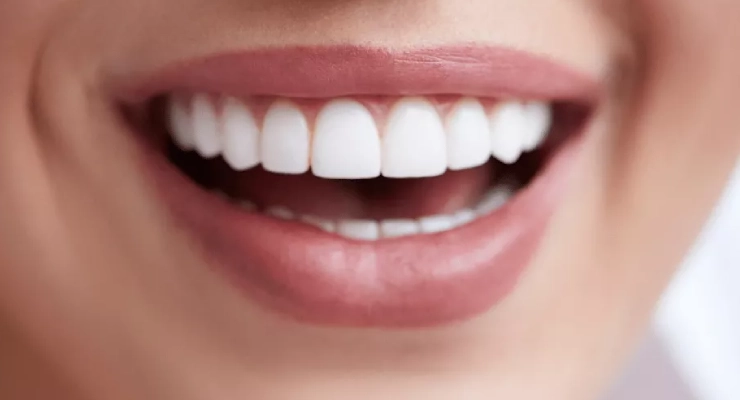
The main difference between ultra‑white veneers and natural‑looking veneers lies in their shade, how they reflect light, and how well they blend with the rest of the face and teeth. Ultra‑white veneers create a very bright, uniform smile and are often several shades lighter than natural teeth. They tend to appeal to people who want a bold, “instant Hollywood” smile, but they can sometimes look artificial if they aren’t carefully selected to suit the patient’s skin tone, the whites of the eyes, and age.Natural‑looking veneers, on the other hand, are designed in shades that are closer to the original teeth while taking into account natural translucency and subtle surface shading. This approach gives a more realistic, softer appearance that aligns better with the facial features.When choosing the ideal veneer shade, many dentists recommend avoiding overly “paper‑white” tones. Instead, they analyze the current tooth color, skin brightness, and the patient’s smile style to arrive at a balanced veneer shade that combines beauty with realism and maintains a healthy, natural look for many years.Related reading: Types of Dental Veneers
Dentists’ Tips for Choosing the Best Veneer Shade for You
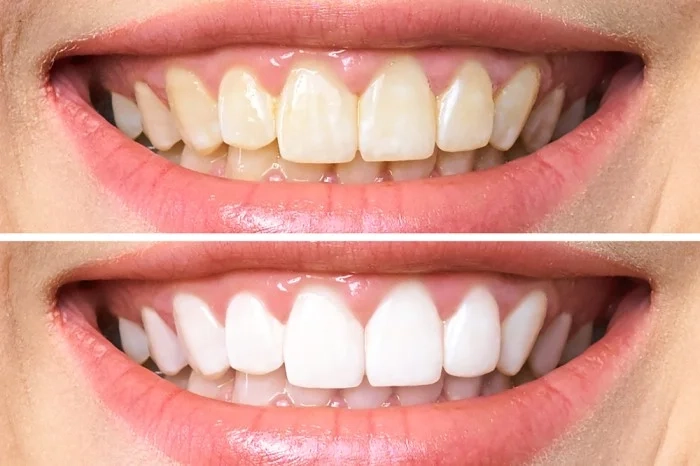
Cosmetic dentists emphasize that choosing the right veneer shade always starts with your skin tone and the whites of your eyes to ensure a natural, non‑artificial smile. It’s usually best to avoid extremely bright whites that clash with your complexion, and to aim for a veneer shade close to your natural teeth—just one or two shades lighter.Your dentist will also assess your teeth in natural daylight, not only under operatory lights, because strong clinical lighting can make the veneers appear different in day‑to‑day life and in photos. Experts recommend choosing a shade that fits your age; very bright whites may look unnatural on older patients, while more moderate shades tend to appear more realistic and flattering.It’s essential to test the shade using trial veneers or a shade guide by holding them next to your teeth before bonding the final veneers. This ensures that the color works well with your lips, gums, and overall facial features. Done this way, you’ll end up with an ideal veneer shade that combines attractiveness, harmony with your appearance, and a natural look both in person and in pictures.You may be interested in: Teeth Whitening Trays: Everything You Need to Know for a Brighter Smile
Common Mistakes When Choosing Veneer Color and How to Avoid Them
One of the most common mistakes when choosing a veneer color is going straight for extremely bright shades that don’t match the patient’s skin or gum color, resulting in an artificial, “fake” smile—exactly the opposite of what veneers are meant to achieve. Another frequent error is ignoring the color of the neighboring natural teeth and forgetting that veneers should blend with the rest of the dentition in both shade and translucency, rather than standing out as noticeably different.Some patients also choose veneer shades based only on how they look under dental office lighting, without checking the color in daylight or at home lighting levels. This can lead to a noticeable mismatch once they leave the clinic.To avoid these pitfalls when selecting the ideal veneer color, it’s important to clearly discuss your cosmetic expectations with your dentist, test several shade options using a shade guide, and review before‑and‑after photos of similar cases. Skin tone, gum color, and age should all be taken into account to achieve a veneer shade that looks as natural and long‑lasting as possible. Following these steps helps you get an attractive smile that harmonizes with your facial features while ensuring the veneers meet both cosmetic and clinical standards and maintain a natural look over time.
Cosmetic Veneers: How to Achieve a Harmonious Smile With Dr. Abeer
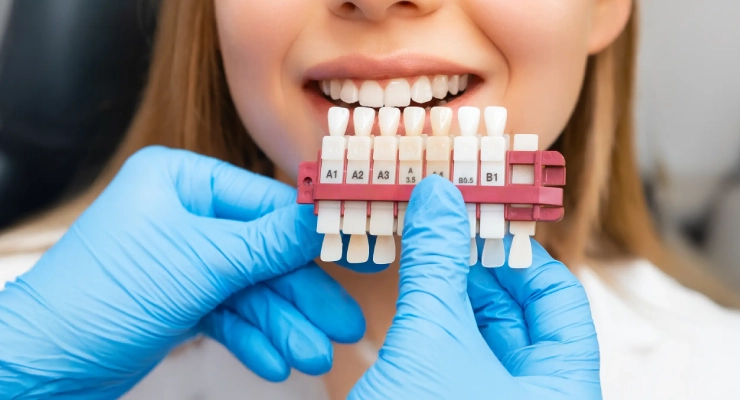
When you choose the ideal cosmetic veneer shade with Dr. Abeer, the goal isn’t just to whiten your teeth—it’s to design a smile that naturally blends with your skin tone, lips, and the whites of your eyes. Dr. Abeer carefully evaluates your original tooth shade, intraoral lighting conditions, and facial shape to determine the most suitable veneer color that enhances your smile without overdoing the whiteness, ensuring a realistic, non‑artificial result.Using advanced digital imaging and a professional shade guide, the veneer shade is selected to integrate smoothly with the surrounding natural teeth, taking into account edge translucency and light reflection for complete visual harmony. This meticulous planning helps avoid veneers that are either too bright or too dark, improves overall Hollywood smile outcomes, and increases patient satisfaction and confidence over the long term, all while maintaining healthy teeth and gums.
Frequently Asked Questions About Choosing the Right Veneer Color
Can the color of veneers be changed after they’re placed?
No. Once veneers are bonded, their color cannot be changed, as porcelain and composite do not respond to whitening the way natural teeth do. That’s why selecting the correct veneer shade before placement is crucial to avoid regret later on. It’s always recommended to test the shade carefully with a shade guide before final bonding.
What is the best veneer color for a natural‑looking smile?
The best veneer color for a natural smile is usually one that’s very close to your natural tooth shade, but one to two shades lighter. Balanced shades like A1 or B1 on common shade guides often provide a natural yet attractive look, while extremely bright whites can appear fake if they don’t match your skin tone and age.
Are ultra‑white veneers suitable for everyone?
No. Ultra‑white veneers are not ideal for everyone. The decision depends on skin tone, gum color, age, and the character of the smile. In many cases, cosmetic dentists recommend more natural white shades to maintain a harmonious, non‑exaggerated appearance.
Does skin tone affect veneer color selection?
Yes. Skin tone is a key factor in choosing the ideal veneer color. Fair skin usually pairs better with softer whites, while medium and darker skin tones may look best with slightly brighter shades—without going to an excessively stark white—to keep the smile in harmony with the face.
How long does veneer color last over time?

With high‑quality materials and good oral hygiene, veneer color can last many years, often 10–15 years or more. Unlike natural teeth, veneers are resistant to staining from coffee or smoking. However, maintaining good oral care and regular dental checkups is essential to preserve their aesthetic appearance.