Ceramic Braces and Their Benefits
Table of Contents
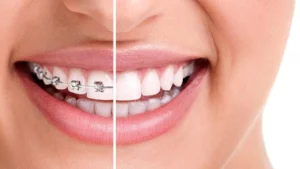
Ceramic braces are a popular orthodontic treatment option that combine effectiveness with an attractive, discreet appearance. These braces are made from a clear or tooth-colored ceramic material and are less noticeable than traditional metal braces, making them an appealing choice for both teenagers and adults who want to straighten their teeth more subtly.The benefits of ceramic braces include their ability to blend with the natural color of the teeth, which helps reduce self-consciousness during treatment. They are also effective in correcting a wide range of dental issues, from mild misalignment to more complex bite problems. In addition, ceramic braces are generally more comfortable than metal braces, as they tend to cause less irritation to the gums and inner cheeks.
What Are Ceramic Braces?
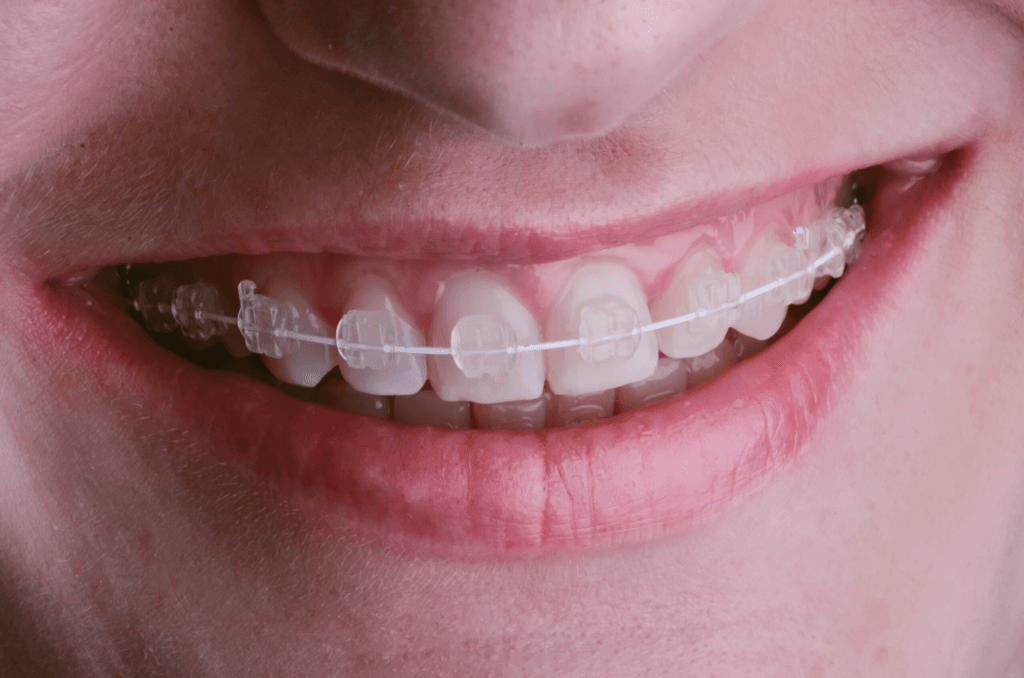
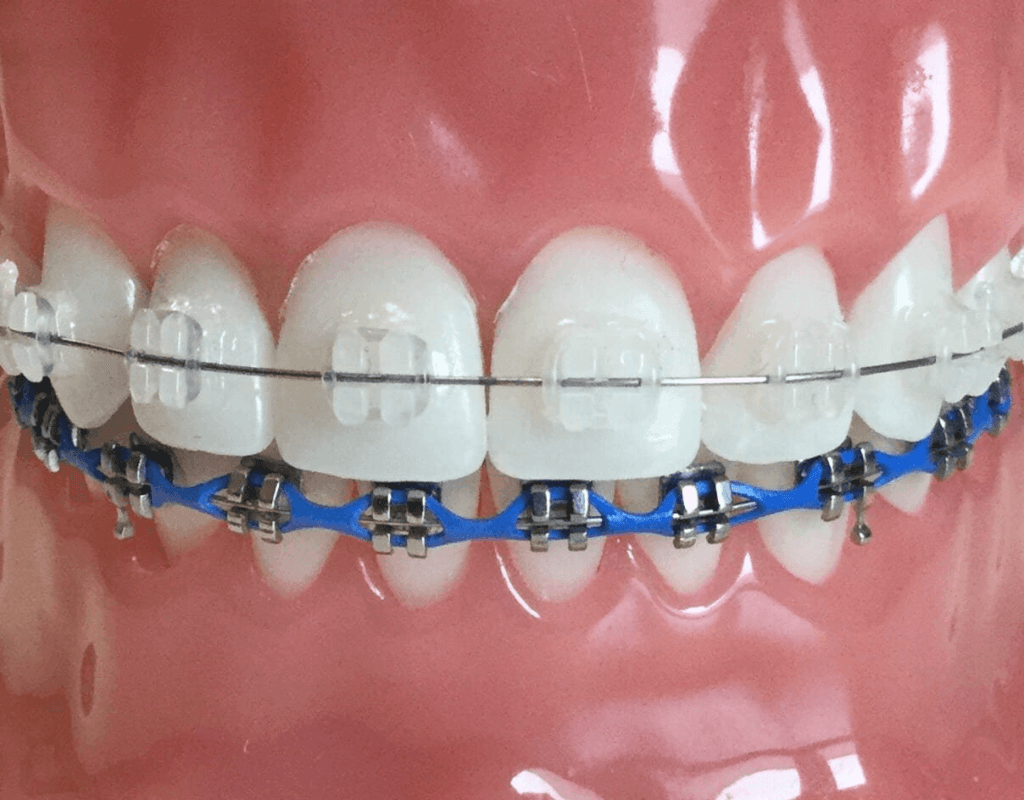
Ceramic braces are a type of orthodontic appliance used to straighten teeth and correct bite problems. They work in a similar way to traditional metal braces but are made from a clear or tooth-colored ceramic material, making them less visible. This aesthetic advantage makes ceramic braces particularly popular among adults and image-conscious teens who want to maintain a more conservative look during orthodontic treatment. Components of ceramic braces include brackets, archwires, and elastic ligatures, which work together to gradually move the teeth into better alignment.
What Are the Requirements for Getting Ceramic Braces?
Although ceramic braces are suitable for many patients, several conditions and factors should be considered before starting treatment:1. Age and stage of dental development: The patient should have most of their permanent teeth. Ceramic braces are usually not recommended for young children who still have primary (baby) teeth.2. Severity of misalignment: Ceramic braces are effective for many orthodontic problems, but they may not be ideal for very severe or complex cases. An orthodontist will assess whether the desired results can be achieved with ceramic braces.3. Oral hygiene commitment: Excellent oral hygiene is essential for anyone considering braces. Patients must be diligent about brushing and cleaning around their braces to prevent plaque buildup and staining.4. Dietary habits: Patients must be willing to avoid certain hard, sticky, or chewy foods that can damage the brackets and wires.5. Cost: Ceramic braces are often more expensive than metal braces, so patients should consider their budget and whether their insurance will cover part of the treatment cost.6. Aesthetic preferences: Patients who prefer a more discreet orthodontic option are more likely to benefit from ceramic braces.
Advantages of Ceramic Braces
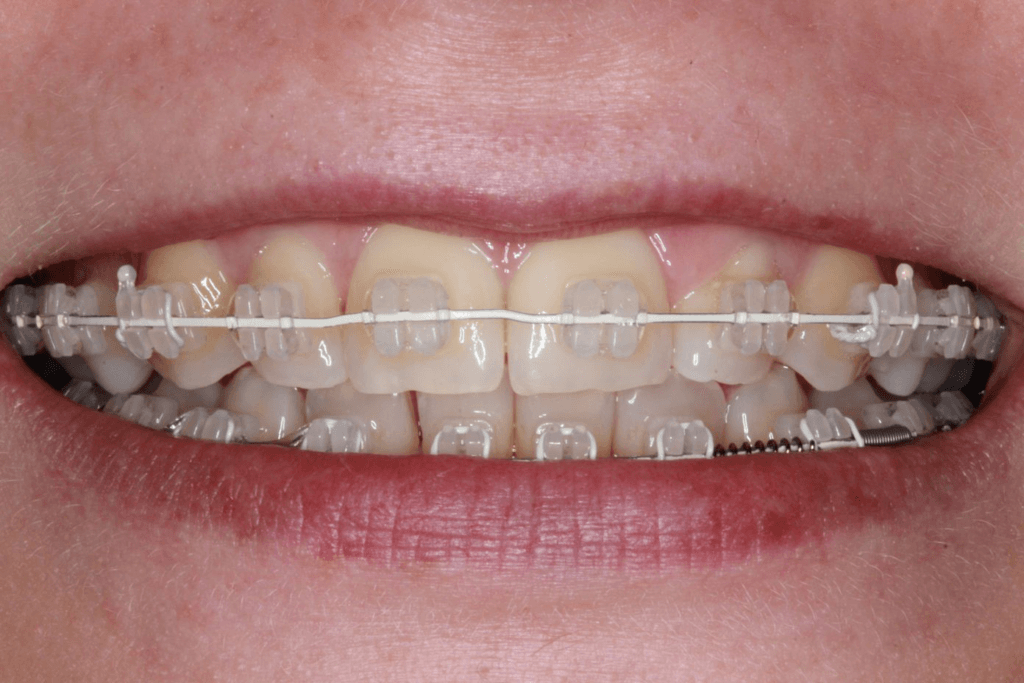
Ceramic braces have become increasingly popular due to their cosmetic appeal and reliable function. Some of the key advantages include:– Less visible than traditional metal braces due to tooth-colored or clear brackets. – Effective in treating a wide range of alignment and bite issues. – Generally more comfortable against the soft tissues of the mouth. – A good option for adults and professionals who are concerned about appearance during treatment.
What Conditions Can Ceramic Braces Treat?
Ceramic braces are versatile orthodontic appliances that can effectively address many dental problems. Some of the specific conditions they can treat include:1. Crowding: Crowding occurs when there is not enough space in the jaw for all the teeth to align properly, leading to overlapping and misaligned teeth.2. Spacing issues: Spacing problems involve gaps between teeth, often caused by missing teeth, small-sized teeth, or natural spacing in the dental arch.3. Overbite: An overbite happens when the upper front teeth significantly overlap the lower front teeth. This may be due to genetics or habits such as thumb-sucking.5. Crossbite: A crossbite occurs when some of the upper teeth sit inside the lower teeth when the mouth is closed. This can lead to uneven tooth wear and jaw discomfort.6. Open bite: An open bite is present when the upper and lower teeth do not touch when the mouth is closed, often associated with prolonged thumb-sucking or tongue thrusting.7. Midline misalignment: Midline discrepancy occurs when the center of the upper front teeth does not line up with the center of the lower front teeth.
Duration of Treatment with Ceramic Braces
The length of treatment with ceramic braces can vary significantly depending on several factors, including the complexity of the dental issues being treated, the patient’s age, and how well they follow their orthodontist’s instructions. Key factors that influence treatment duration include:1. Severity of the orthodontic problem 2. Patient’s age and bone responsiveness 3. Frequency and regularity of orthodontic check-ups and adjustments 5. Individual biological response to tooth movement and treatment
What Is the Difference Between Ceramic Braces and Other Types of Braces?
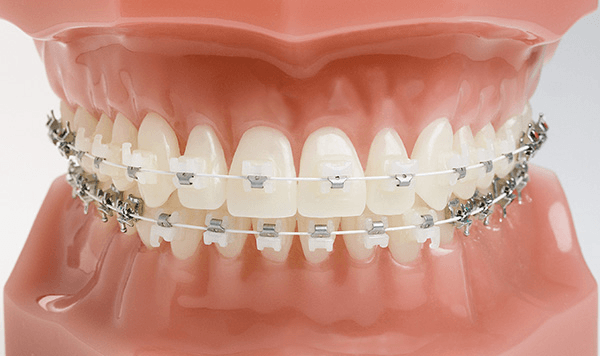
Ceramic braces are one of several orthodontic options available, each designed to address specific needs and preferences. Understanding how ceramic braces differ from other types—such as metal braces, lingual braces, and clear aligners—can help patients make informed decisions about their orthodontic care. Below is a detailed comparison:
1. Material Composition
– Ceramic braces – Metal braces – Lingual braces – Clear aligners
2. Visibility
– Ceramic braces – Metal braces – Lingual braces – Clear aligners
3. Comfort
– Ceramic braces – Metal braces – Lingual braces – Clear aligners
4. Durability and Maintenance
– Ceramic braces – Metal braces – Lingual braces – Clear aligners
5. Treatment Duration
– Ceramic braces – Metal braces – Lingual braces – Clear aligners
6. Cost
– Ceramic braces – Metal braces – Lingual braces – Clear aligners
What Are the Side Effects of Ceramic Braces?
While ceramic braces offer many advantages, they also have potential side effects and drawbacks that should be considered:1. Brittleness: Ceramic brackets are more fragile than metal ones and can chip or break more easily.2. Staining: The elastic ties and sometimes the brackets themselves can become discolored if exposed to foods and drinks that stain, especially without proper cleaning.3. Longer treatment time: In some cases, treatment with ceramic braces may take slightly longer than with metal braces due to their more delicate nature.4. Cost: Ceramic braces are typically more expensive than traditional metal braces.5. Oral hygiene challenges: Braces in general make cleaning more difficult, and ceramic braces require particular attention to prevent plaque buildup and discoloration.6. Sensitivity: Some patients may experience temporary tooth or gum sensitivity, especially after adjustments.7. Potential allergic reactions: Although rare, a patient may be allergic to certain materials used in the brackets, adhesives, or elastics.
Ceramic Braces in Jeddah
Dr. Amir Al-Zahrawi offers ceramic braces in Jeddah, providing a discreet and effective solution for straightening teeth. Ceramic braces are less noticeable than traditional metal braces, making them a popular choice for those looking for a more subtle option.Dr. Amir uses high-quality materials and advanced techniques to ensure comfortable and efficient treatment. Whether you are dealing with crooked teeth, gaps, or bite problems, he designs customized treatment plans to help you achieve a straighter, healthier smile.His clinic in Jeddah is equipped with modern tools and technology to deliver reliable results. Schedule a consultation to learn more about your treatment options.