What Are Cosmetic Veneers and Why Do They Need Special Care?
Table of Contents
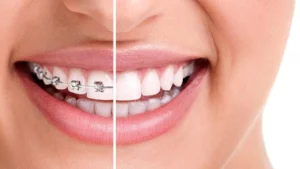
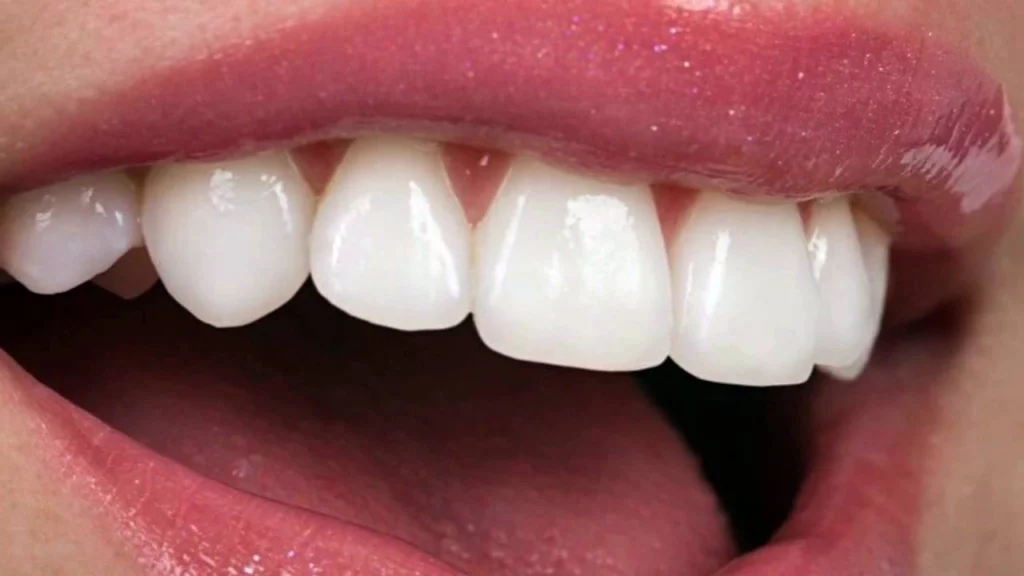
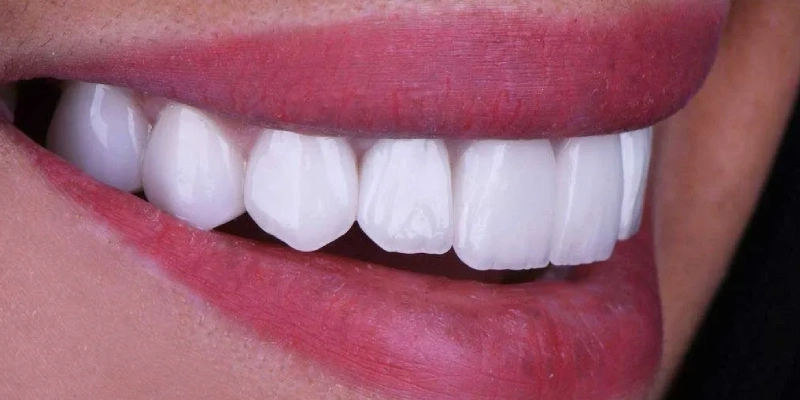
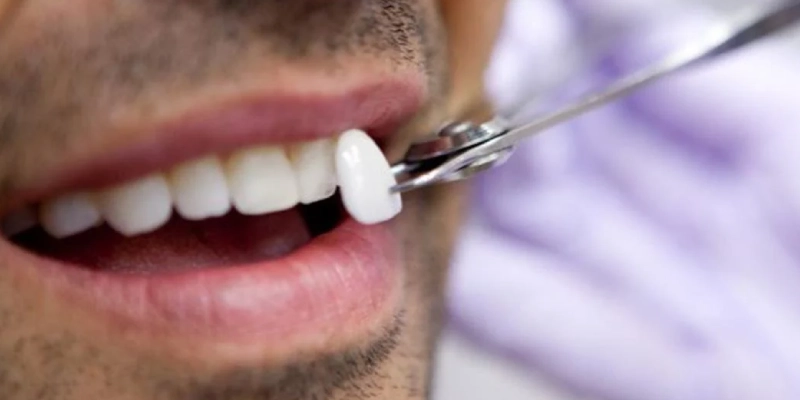
Cosmetic veneers are thin shells made of porcelain or other ceramic materials that are bonded to the front surface of the teeth to improve their shape, color, and overall appearance. They’re commonly used to correct issues such as gaps, discoloration, minor wear, and small chips, and are considered one of the most popular modern cosmetic dentistry treatments. Veneers are strong, durable, and more stain-resistant than natural enamel, but they still require special care because they don’t regenerate, and any fracture or damage usually requires a full replacement.The process of placing veneers often involves removing a thin layer of tooth enamel, which can make the tooth slightly more sensitive and increases the importance of good oral hygiene. Regular brushing and flossing are essential to protect the gums and the natural tooth underneath the veneer. Poor oral care can lead to plaque buildup, decay around the veneer margins, gum inflammation, and gradual discoloration of the veneer over time. That’s why regular dental checkups and avoiding harmful habits—like nail biting or using your teeth to open packages—are strongly recommended to keep veneers looking healthy and attractive for many years.
Cleaning Veneers: Best Practices to Maintain Their Shine
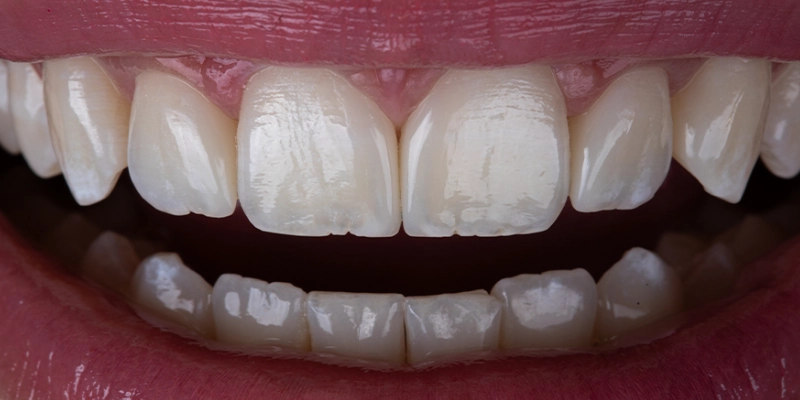
Proper cleaning is the key to keeping veneers shiny and protecting them from long‑term staining. Use a soft‑bristled toothbrush and a non‑abrasive toothpaste to clean your veneers twice a day, paying special attention to the gum line where plaque and bacteria tend to accumulate. Make sure to use dental floss or a water flosser daily between the teeth to remove food debris and help prevent gum inflammation that could affect the stability of the veneers. Avoid whitening toothpastes or products with harsh abrasives, as they can scratch the veneer surface and dull its shine.Try to limit highly pigmented beverages such as coffee, tea, and dark sodas, and rinse your mouth with water right after drinking them to help reduce staining. Visiting your dentist every six months for professional cleaning is also important. Your dentist will use tools and polishing pastes specifically designed to clean veneers gently and safely, helping maintain their glossy, healthy look for as long as possible.
Daily Habits That Affect Veneer Durability
Your daily habits play a crucial role in how long your veneers last and how well they hold up over time. Frequently chewing on hard foods such as nuts and ice, or using your teeth to open bottles and packages, can cause veneers to chip, crack, or separate from the tooth surface. Teeth grinding or clenching at night (bruxism) also puts excessive pressure on veneers and shortens their lifespan, so your dentist may recommend a night guard to protect them.Smoking and frequent consumption of dark‑colored drinks like coffee, tea, and cola can gradually affect the color of veneers and the surrounding gums, impacting the overall appearance of your smile. In addition, neglecting regular brushing and flossing, or skipping mouthwash, increases plaque and tartar buildup around the veneers, which can lead to gum disease and decay in the tooth structure supporting the veneer. Maintaining healthy daily habits, following your dentist’s care instructions, and scheduling regular checkups will help extend the life of your veneers and preserve a bright, stable smile for as long as possible.You may be interested in: the difference between cosmetic dental lenses and traditional veneers.
Foods and Drinks That Can Change Veneer Color
Certain foods and drinks can gradually affect the color of your veneers and compromise the bright smile you achieved with your cosmetic treatment. Although high‑quality veneer materials are quite stain‑resistant, overconsumption of pigment‑rich beverages like tea, coffee, cola, red wine, and dark fruit juices can leave a superficial layer of discoloration on the veneer surface over time.Similarly, dark‑colored foods such as soy sauce, ketchup, dark chocolate, berries, and beets can cause slight color changes, especially if daily oral hygiene is not optimal. Smoking and hookah are also major factors that accelerate veneer yellowing and stain buildup along the veneer margins and gum line.To keep your veneers bright and shiny, it’s best to limit foods and drinks that cause staining, drink water after coffee or tea, and brush your teeth and veneers twice a day with a suitable non‑abrasive toothpaste. Regular follow‑ups with your dentist for professional polishing when needed will also help. This simple care routine protects your investment in veneers and helps maintain a radiant smile for as long as possible.
Do Veneers Need Regular Professional Cleanings?
Yes, veneers require regular professional cleanings just like natural teeth to maintain their health and aesthetic appearance over the long term. Professional cleanings help remove tartar and deposits that can’t be fully eliminated with brushing and flossing alone, reducing the risk of gum disease and decay in the teeth supporting the veneers.During these routine visits, your dentist will also check the integrity and stability of the veneers, looking for any fine cracks, chips, or micro‑gaps between the veneer and the tooth that could trap bacteria. Most dentists recommend a checkup and professional cleaning every six months to keep veneers polished, shiny, and natural‑looking, in addition to your daily home care. This ongoing follow‑up helps extend the life of your veneers and maintain a healthy, attractive smile while preventing future problems with the gums or underlying teeth.Learn more about: advantages and disadvantages of teeth whitening with veneers.
Difference Between Caring for Veneers and Caring for Natural Teeth
Veneer care is very similar to caring for natural teeth, but it requires a bit more gentleness and attention to detail to preserve their appearance and shine as long as possible. While natural teeth can usually tolerate regular toothpaste and some level of abrasiveness, veneers are best cleaned with a low‑abrasive toothpaste and a soft toothbrush to avoid scratching the outer surface or dulling the gloss.You should also avoid using veneered teeth to open packages or bite very hard foods, as that can crack or dislodge the veneers. Natural teeth are generally better able to withstand strong biting forces than porcelain shells. In addition, regular visits to the dentist for professional cleaning and gentle polishing of the veneer surfaces are a key part of veneer maintenance, whereas some people with completely healthy natural teeth may need less frequent polishing.Even though veneers themselves don’t decay, the underlying natural tooth is still vulnerable to cavities and gum disease, especially around the margins. That’s why thorough daily care with brushing, flossing, and mouthwash remains essential, just as it is for natural teeth, along with a balanced diet and limiting dark‑colored drinks to help preserve the whiteness of the veneers and the beauty of your smile.Read more about: types of dental veneers.
Dr. Abeer’s Tips for Keeping Veneers Shiny for Many Years
Dr. Abeer emphasizes that keeping veneers shiny starts with consistent daily care. Brush your teeth twice a day using a soft toothbrush and a non‑abrasive toothpaste formulated for sensitive teeth or veneers to avoid scratching the glossy surface of the cosmetic restorations.She also recommends using dental floss or interdental brushes to remove food particles and plaque from around the veneer margins, since tartar buildup can cause gum inflammation and discoloration along the edges, which negatively affects the appearance of your smile. To protect veneers from staining, Dr. Abeer advises reducing intake of dark beverages like coffee, tea, instant coffee (such as Nescafé), and colored sodas, and following them with a glass of water or rinsing your mouth right away to minimize pigment contact. She also stresses avoiding smoking, as it’s one of the main causes of veneer yellowing.In addition, she recommends not using your front teeth to bite hard items such as ice, hard nuts, or bones, and never using your teeth to open bottles or packages, because these habits can cause veneers to chip or crack. If you grind your teeth at night, Dr. Abeer advises wearing a night guard to protect your veneers from excessive pressure and wear. Finally, she considers seeing your dentist every six months for a routine exam and professional veneer polishing essential to maintain their whiteness and shine, and to catch any problem in its earliest stages before it worsens.
Frequently Asked Questions About Veneer Care
Can Veneers Change Color Over Time?
Porcelain veneers are highly resistant to staining, but they can lose some of their surface gloss or develop superficial stains if you consume a lot of coffee, tea, or tobacco, or neglect daily cleaning. Consistent home care and periodic professional polishing help keep them looking bright for many years.
What Happens If a Veneer Chips or Comes Off?
Veneers cannot heal or repair themselves. If a veneer breaks or debonds, it usually needs to be replaced entirely. You should see your dentist as soon as possible to assess the situation, protect the underlying tooth, and prevent bacterial buildup.
Do Veneers Protect Teeth from Cavities?
The veneer material itself doesn’t decay, but the natural tooth underneath is still susceptible to cavities, especially around the veneer margins. That’s why daily brushing and flossing are crucial to prevent tooth decay and gum disease.
Can I Live Normally After Getting Veneers?
Yes, you can eat and speak normally after getting veneers. However, you should avoid biting hard objects or opening packages with your teeth, and use a night guard if you grind your teeth to help preserve your veneers.
How Long Do Cosmetic Veneers Usually Last?
When properly placed and well cared for, cosmetic veneers can typically last 10 to 15 years or even longer. Their lifespan depends on the quality of the materials, the dentist’s skill, and how closely you follow daily care and maintenance instructions.