Involuntary teeth grinding, also known as bruxism, is a common dental condition that affects many people and often occurs during sleep or in times of stress.This article explores the multiple causes behind this condition and highlights the physical and psychological factors that contribute to this involuntary habit.By understanding the root causes of involuntary teeth grinding, individuals can take practical steps toward effective treatment, managing the condition, and protecting their oral health and overall well-being.
Table of Contents
What Causes Involuntary Teeth Grinding?
Involuntary teeth grinding can result from a variety of factors, ranging from physical to psychological causes. Understanding these underlying reasons is essential for managing and treating bruxism effectively.
What Are the Types of Teeth Grinding?
There are two main types of involuntary teeth grinding, based on when it occurs:
Awake Bruxism (Teeth Grinding While Awake)
This type involves clenching or grinding the teeth during waking hours. It often happens unconsciously during periods of stress, anxiety, or intense concentration.
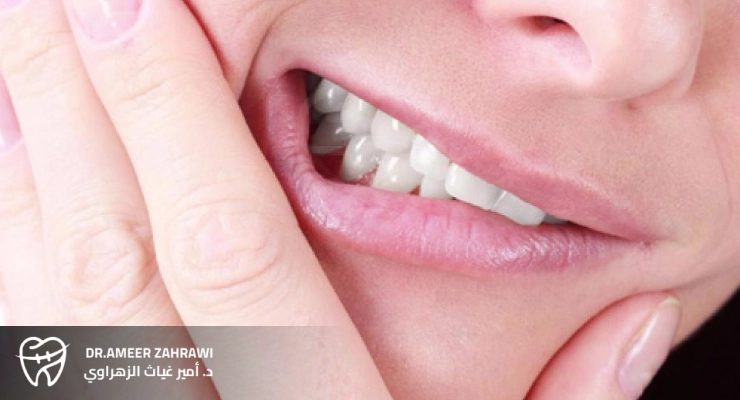
Sleep Bruxism (Teeth Grinding During Sleep)
This type occurs while a person is asleep and is more common than awake bruxism. People are often unaware of it unless a bed partner notices the grinding sounds at night, or until they begin to experience symptoms such as jaw pain or headaches.
Side Effects of Involuntary Teeth Grinding
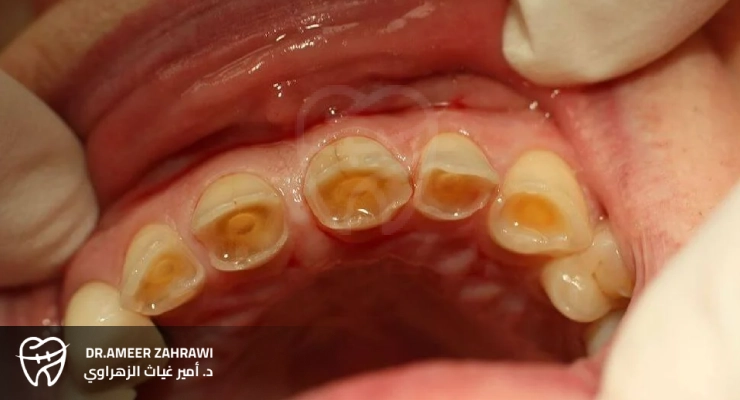
Involuntary teeth grinding can lead to several harmful side effects that impact both oral health and overall quality of life. These may include tooth wear, tooth fractures, jaw pain, temporomandibular joint (TMJ) problems, headaches, and disturbed sleep.
Risks of Involuntary Teeth Grinding in Children
Teeth grinding is not uncommon in children. Although it often resolves on its own as they grow older, persistent bruxism can pose several risks and challenges for young patients. These can include damage to primary or permanent teeth, jaw discomfort, sleep disturbances, and potential impact on proper jaw and facial development.

Treatment Options for Teeth Grinding
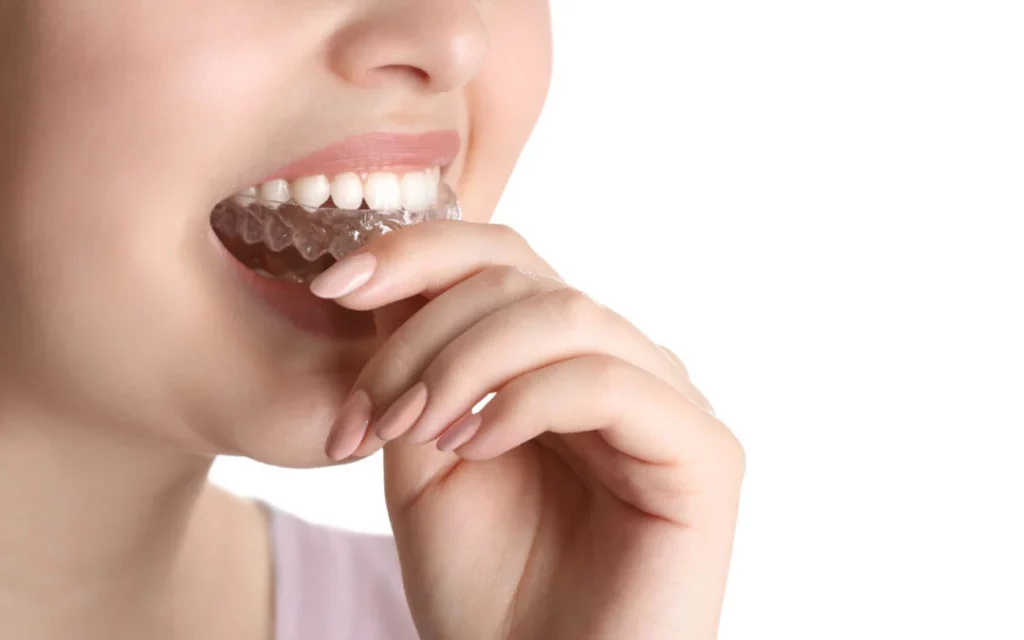
Treating involuntary teeth grinding typically involves a combination of approaches aimed at managing the underlying causes and relieving symptoms.Since stress and anxiety are common triggers for bruxism, stress-reduction strategies such as mindfulness, meditation, yoga, and relaxation techniques can help manage teeth grinding.Cognitive behavioral therapy (CBT) can be useful in addressing the psychological factors that contribute to bruxism and in modifying related behaviors.Dentists may recommend wearing a custom-made night guard or occlusal splint during sleep to protect the teeth from grinding and clenching forces.When misaligned teeth or jaw problems contribute to bruxism, orthodontic treatment or restorative dental procedures may be recommended to correct the bite and improve alignment.In more severe cases, medications such as muscle relaxants or certain antidepressants may be prescribed to help relax the jaw muscles and reduce grinding.Lifestyle changes such as cutting down on caffeine and alcohol, quitting smoking, and practicing good sleep hygiene can also support the management of bruxism.
Treating Bruxism in Children
Managing involuntary teeth grinding in children requires a tailored approach that takes into account their dental development and specific needs. Strategies may include monitoring the condition over time, using child-appropriate night guards when necessary, addressing stress or anxiety, and ensuring regular dental check-ups to prevent or limit damage to developing teeth.
Bruxism Treatment in Jeddah

Dr. Abeer provides professional bruxism treatment in Jeddah. She focuses on identifying and addressing the root cause of the problem—whether it is related to stress, bite issues, or misaligned teeth—and offers customized solutions to protect your teeth and relieve discomfort.From custom night guards to preventive and restorative care, Dr. Abeer follows a targeted, evidence-based approach to help you stop grinding your teeth and maintain healthy dentition. If you are experiencing teeth grinding, her expertise and patient-centered care make her a reliable choice for bruxism treatment in Jeddah.