Adult Orthodontics
Table of Contents
Adult orthodontics focuses on correcting misaligned teeth and jaws in individuals aged 18 and older. While many people associate orthodontic treatment with children and teenagers, a large number of adults now seek these services to improve their oral health and enhance their smile.Advances in technology and treatment options—such as clear aligners and less visible braces—have made orthodontic care more accessible and more aesthetically pleasing for adults. Beyond cosmetic benefits, adult orthodontics can also address functional problems, leading to a better bite, reduced tooth wear, and improved overall oral health.
When Is Adult Orthodontic Treatment Needed?
Adult orthodontic treatment may be necessary for several reasons, including:
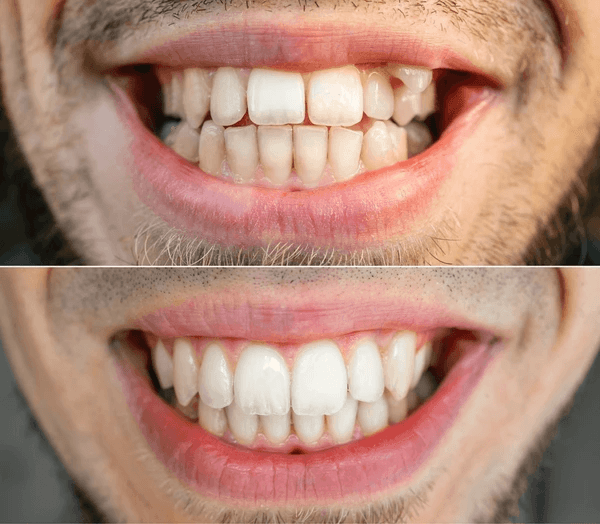
1. Crooked or Misaligned Teeth
Adults may have crowded or crooked teeth that affect their appearance and make it harder to maintain proper oral hygiene. Misaligned teeth can trap food particles and plaque, increasing the risk of tooth decay and periodontal (gum) disease.
2. Bite Problems
Issues such as overbite, underbite, crossbite, and open bite can cause discomfort and functional difficulties. These bite discrepancies can interfere with chewing and speech, and may lead to uneven tooth wear.
3. Jaw Pain or Discomfort
Adults who suffer from temporomandibular joint (TMJ) disorders may benefit from orthodontic treatment. Jaw misalignment can contribute to TMJ pain, headaches, and facial discomfort.
4. Changes Over Time
As adults age, their teeth may shift due to various factors, including tooth loss, gum disease, or natural aging. These changes can create alignment problems that were not present during adolescence.
5. Cosmetic Concerns
Many adults seek orthodontic treatment for aesthetic reasons. A straight, attractive smile can significantly boost self-esteem and confidence, influencing both personal and professional interactions.
6. Previous Dental Work
Adults who have had orthodontic treatment in the past may require additional adjustments to maintain their results or to accommodate new dental work, such as crowns, bridges, or dental implants.
7. Health Considerations
Certain medical conditions or medications can affect oral health, making orthodontic intervention beneficial to support overall health and function.
How Long Does Adult Orthodontic Treatment Take?
The duration of adult orthodontic treatment varies based on several factors, including:
1. Type of Treatment
Traditional braces: Treatment with conventional metal braces usually lasts between 18 and 36 months, depending on the complexity of the case.Clear aligners: Treatment with clear aligner systems such as Invisalign typically takes about 12 to 18 months, but this can vary according to individual needs.
2. Severity of Misalignment
More severe alignment or bite problems generally require longer treatment times. Complex cases may involve multiple stages of treatment.
3. Patient Compliance
For treatments like clear aligners, the patient’s commitment to wearing the aligners as instructed is crucial. Irregular or insufficient wear can prolong the overall treatment time.
4. Age and Bone Structure
Adults may experience slower tooth movement than younger patients due to denser bone structure. This can sometimes extend the duration of treatment.
5. Regular Follow-Ups
Consistent visits to the orthodontist for adjustments and monitoring can influence treatment length. Ongoing follow-up helps ensure that progress stays on track.
6. Retention Phase
After active treatment, most patients require a retention phase to maintain their results. This phase often lasts from several months to a few years, depending on the individual case.
Is Orthodontic Treatment Suitable After Age 30?
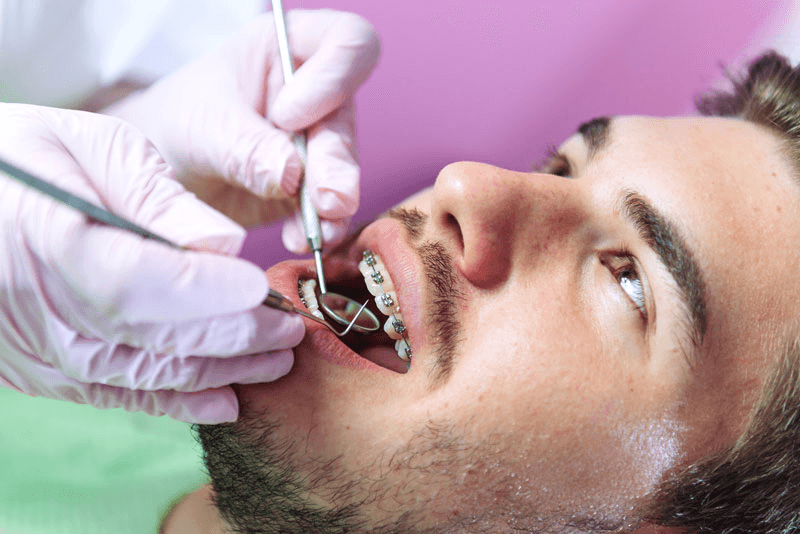
Yes, orthodontic treatment is absolutely suitable for people over 30. In fact, adult orthodontics is becoming increasingly common in this age group. There are many reasons why orthodontic treatment can be an excellent choice for adults, including improved oral health, better function, and enhanced aesthetics.
Types of Adult Orthodontic Treatment
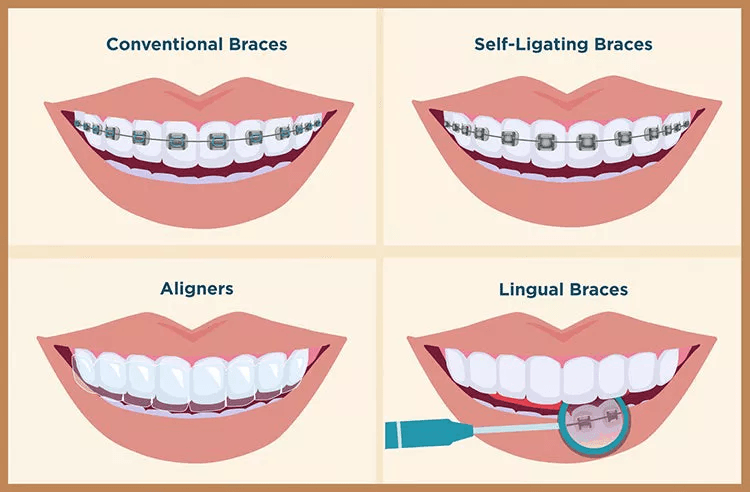
Adult orthodontics offers a range of treatment options tailored to individual needs and preferences. Below are the most common types of adult orthodontic treatments:
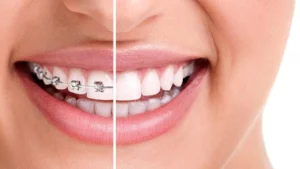
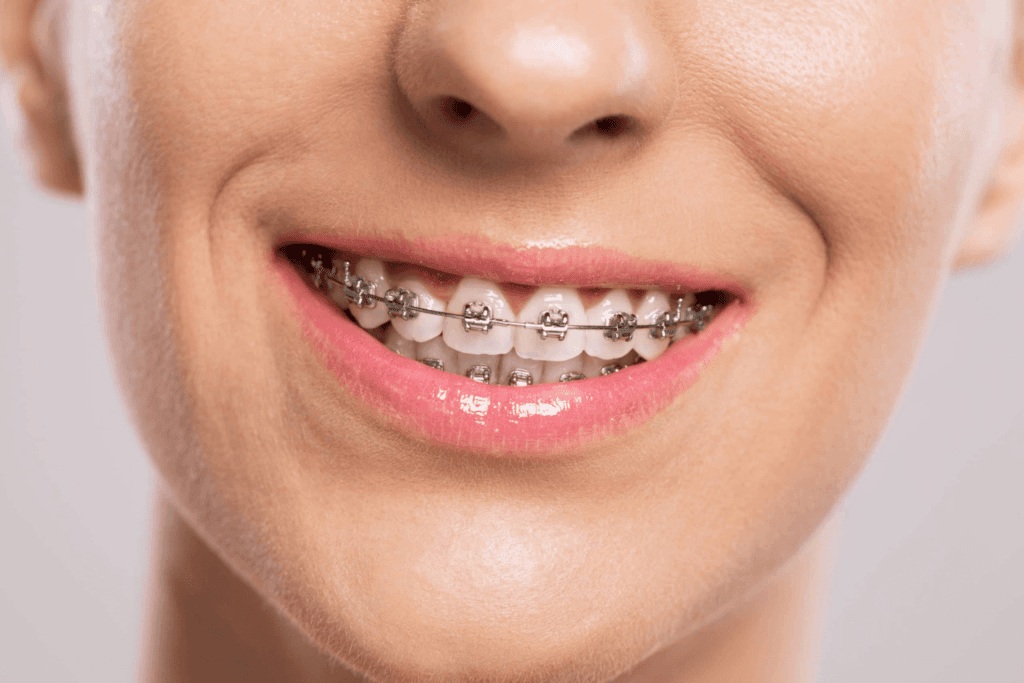
1. Traditional Metal Braces
Traditional metal braces consist of metal brackets bonded to the teeth and connected with archwires. They are the most common and often the most effective method for correcting a wide variety of orthodontic problems.Advantages:Disadvantages:
2. Ceramic Braces
Ceramic braces work similarly to traditional metal braces but use clear or tooth-colored brackets, making them less noticeable.Advantages:Disadvantages:
3. Lingual Braces
Lingual braces are attached to the back (lingual side) of the teeth, making them virtually invisible from the front.Advantages:Disadvantages:
4. Clear Aligners
Clear aligner systems, such as Invisalign, consist of a series of custom-made, transparent trays that gradually move the teeth into their desired positions.Advantages:Disadvantages:
Side Effects of Orthodontic Treatment in Adults
Although adult orthodontics offers significant benefits, there are potential side effects and challenges that adults may experience during treatment. Common side effects include:
Adult Orthodontics in Jeddah
Dr. Amir Al-Zahrawi provides adult orthodontic treatments in Jeddah, helping patients achieve straighter teeth and better oral health. Whether you are dealing with crooked teeth, gaps, or bite problems, Dr. Amir offers effective solutions tailored to your specific needs.He provides a range of options, including traditional braces, ceramic braces, and clear aligners, ensuring there is a choice that suits your lifestyle. With years of experience, Dr. Amir focuses on delivering comfortable and discreet treatment for adults who want to improve their smile. His clinic in Jeddah is equipped with modern technology to ensure reliable results. Book a consultation to explore your options today.