What do we mean by “tilted teeth”?
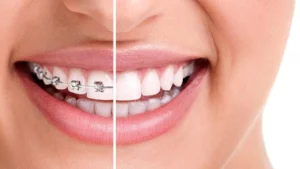
Tilted teeth are teeth that have erupted out of their normal position in the jaw at an abnormal angle, leaning forward, backward, inward, or outward instead of lining up in a straight, well-aligned arch.
This problem typically appears due to limited jaw space, harmful oral habits in childhood such as thumb sucking, or early loss of teeth, which leaves gaps that encourage neighboring teeth to drift and tilt.
Such tilting leads to dental crowding and makes proper cleaning more difficult, which can contribute to bite problems (malocclusion), jaw pain, and a noticeable impact on the smile and self-confidence.
Understanding what tilted teeth are helps patients recognize the importance of early intervention—with orthodontic treatment or other options—to maintain oral health and improve the overall appearance of their teeth.
What causes crooked teeth?
Genetic Factors
Genetic factors are among the most important causes of crooked teeth. A person inherits the size and shape of the jaws, as well as the pattern of tooth development and eruption, from their parents.
When the jaws are congenitally small or narrow while the teeth are relatively large, the available space for each tooth is reduced, which leads to crowding and deviation of teeth from their normal alignment.
Certain types of malocclusion (such as maxillary prognathism or mandibular prognathism) can also be inherited. This directly affects dental alignment and increases the likelihood of crooked teeth appearing in children at an early age.
Tooth Loss and Its Effect on Dental Alignment
Tooth loss—especially at a young age or when missing teeth are not replaced—directly contributes to the development of crooked teeth and progressive changes in dental alignment over time.
When a tooth is lost, the adjacent teeth begin to drift into the empty space, and the opposing tooth may supraerupt (over-erupt) into the gap in search of contact. This results in a general disturbance in the bite (occlusion) and the appearance of tilted and irregular teeth.
This imbalance in the distribution of chewing forces gradually leads to dental crowding or spacing and makes oral hygiene more difficult, linking tooth loss to malalignment and periodontal problems in the long term.
Oral Habits in Childhood
Improper oral habits during childhood play a major role in the emergence of crooked teeth and can significantly affect jaw growth.
Prolonged thumb sucking, extended use of pacifiers beyond the recommended age, and tongue thrusting between the teeth while swallowing or speaking are all habits that can alter the direction of jaw and tooth development.
Continuous pressure on the anterior or posterior teeth leads to protrusion of some teeth, spacing of others, and a noticeable inclination in permanent teeth as they erupt.
Therefore, these habits should be monitored early, and intervention should be considered when necessary. Correcting the child’s behavior at the right time helps prevent crooked teeth and malocclusion in the future.
Jaw Constriction and Lack of Space for Teeth
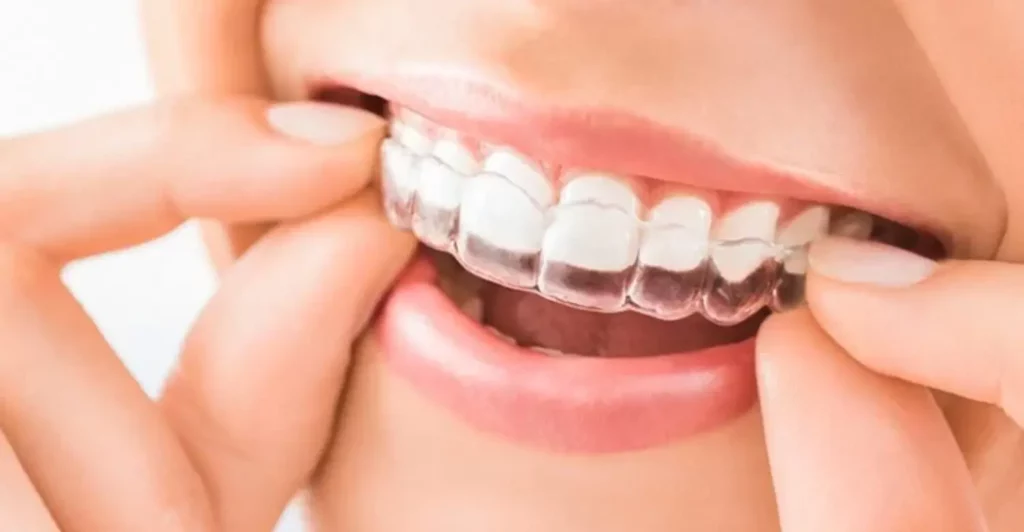
A narrow jaw and insufficient space for teeth are key causes of dental crowding and crooked teeth.
When the size of the jaw is too small relative to the number and size of teeth that are meant to erupt, the teeth “search” for any available space in the mouth and may erupt angled forward, backward, or even rotated.
This constriction may be hereditary or related to growth disturbances of the jaws, such as chronic mouth breathing or certain oral habits in childhood.
In such cases, early orthodontic intervention is often needed to expand the jaw or redistribute the available space, with the aim of improving the alignment of crooked teeth and reducing the complexity of treatment in the future.
Do crooked teeth always need orthodontic treatment?
Crooked teeth don’t always require braces or other forms of orthodontic treatment. The decision depends on how severe the misalignment is and how much it affects function, appearance, and long‑term oral health.
In mild cases, tilted or slightly crooked teeth may not interfere with chewing, speech, or proper cleaning, and may not contribute to food impaction. In such situations, regular checkups may be all that’s needed, along with simple cosmetic options such as composite bonding or dental veneers to enhance appearance when appropriate.
However, when the misalignment is more pronounced and disrupts smile aesthetics, makes oral hygiene difficult, increases the risk of dental caries and periodontal (gum) disease, or contributes to temporomandibular joint (TMJ) discomfort, dentists typically recommend orthodontic treatment as the primary solution to correct tooth position.
That’s why it’s important not to rely on self‑assessment alone. A dentist or orthodontist should evaluate the case clinically and with radiographs to determine whether you truly need orthodontic treatment, or if less invasive cosmetic or preventive options would be sufficient.
When Can Crooked Teeth Be Treated Without Braces?
Some cases of mildly crooked teeth can be managed without conventional braces, provided the misalignment is minor, does not affect the bite (occlusion) or the temporomandibular joint (TMJ), and is limited to a small number of teeth without any underlying jawbone discrepancy.
In such situations, the dentist may opt for cosmetic solutions such as aesthetic composite fillings, dental veneers, or zirconia crowns to reshape the tilted tooth and improve the apparent alignment of the smile, without actually moving the tooth roots.
In selected mild cases, short-range clear aligner therapy can also be used as a faster and less complex alternative to traditional braces, provided that the case is carefully evaluated using radiographs and digital imaging, and that the gums and supporting bone are healthy and stable.
However, in cases of severe tooth angulation, significant crowding, or jaw protrusion, attempting to correct crooked teeth without orthodontic treatment is not considered safe. A comprehensive orthodontic approach is preferred to correctly position both the roots and crowns of the teeth and to maintain the long-term health of the TMJ and periodontal tissues.
What problems can untreated crooked teeth cause?
Difficulty Maintaining Oral Hygiene
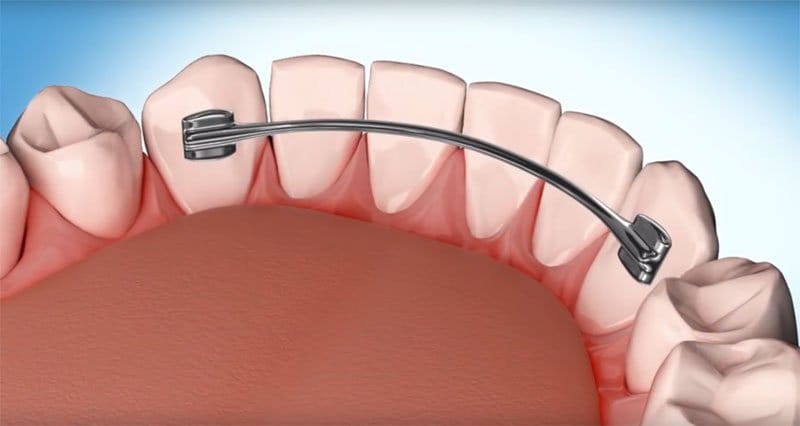
Crooked teeth make it harder to reach all tooth surfaces, especially in tight or crowded spaces.
When misaligned teeth are left untreated, brushing and flossing become less effective at removing food debris and dental plaque.
Over time, bacteria accumulate in these hidden areas, increasing the likelihood of bad breath, gingivitis, and other oral health problems.
In other words, leaving misaligned teeth without orthodontic correction or adjustment adds to the daily burden of oral care, even if you are diligent about brushing regularly.
Increased Risk of Tooth Decay and Periodontal Disease
If misaligned teeth are not treated, the risk of dental caries (tooth decay) and periodontal disease becomes significantly higher.
Irregular tooth angulation and crowding create ideal niches for food retention and bacterial growth, which lead to enamel demineralization and the development of cavities.
In addition, the build-up of calculus (tartar) and plaque around the necks of crooked teeth can cause gingivitis, gum bleeding, and gradual gum recession.
In more advanced stages, this may progress to periodontitis with damage to the supporting bone and eventual tooth loss, which is one of the most serious consequences of neglecting the treatment of malaligned teeth.
Impact on Occlusion and Chewing Function
Misaligned teeth can cause malocclusion, meaning an improper way in which the upper and lower teeth meet when the mouth is closed.
If this imbalance is left untreated, it can lead to uneven distribution of chewing forces, resulting in abnormal wear of certain teeth and pain in the temporomandibular joint (TMJ) and surrounding muscles.
Patients may experience difficulty biting hard foods or chewing for long periods, in addition to clicking sounds in the jaw joint or headaches related to muscle strain.
With time, the malocclusion may worsen and require more complex orthodontic or functional treatment.
Aesthetic Impact and Self-Confidence
Leaving crooked teeth untreated has a clear impact on the appearance of the smile and overall facial harmony.
Crowding, rotations, and irregular gaps can make a person dissatisfied with the look of their teeth, which affects self-confidence in social and professional situations.
Many people hesitate to smile or speak freely because of the appearance of their teeth, and this can negatively influence their quality of life and daily communication.
Correcting misaligned teeth does not only restore proper function; it also enhances aesthetics and helps the person feel more comfortable and confident when smiling in front of others.
How does the dentist determine the right treatment for misaligned teeth?
The dentist starts by assessing the severity and direction of tooth misalignment through a clinical examination, followed by dental X‑rays. In some cases, 3D imaging (such as CBCT) may be used to evaluate the relationship between the teeth, jawbone, and nearby nerves.
Next, the dentist identifies the underlying cause of the misalignment—whether it’s jaw crowding, early loss of primary or permanent teeth, or harmful habits such as thumb‑sucking—because the root cause largely shapes the treatment plan.
They then analyze how the upper and lower jaws fit together, the path of occlusion, and the way the patient’s mouth closes, to ensure that correcting the misaligned teeth will not trigger temporomandibular joint (TMJ) disorders or bite problems.
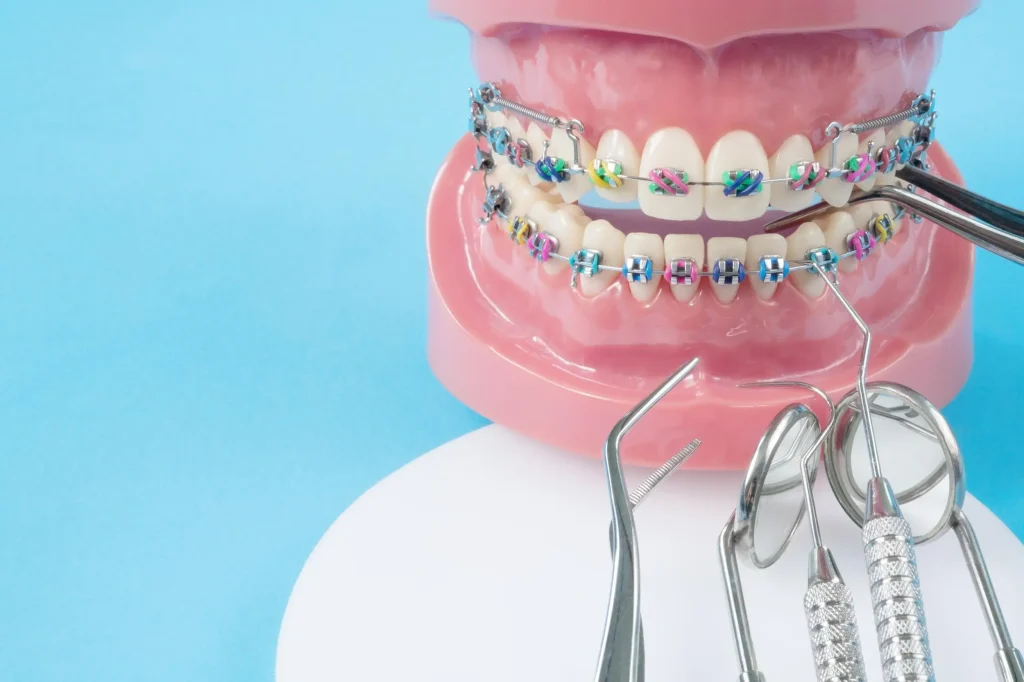
Based on these findings, the dentist determines whether the patient needs orthodontic treatment—such as clear aligners or conventional metal braces—cosmetic prosthetic solutions like veneers or crowns for mild cases, or surgical intervention for complex cases involving jawbone deformities.
The dentist also takes into account the patient’s age, overall health status, budget, and expected level of compliance with instructions, in order to select a treatment plan for misaligned teeth that offers the best possible balance between aesthetics, function, and long‑term stability of results.
What Is the Best Age to Treat Crooked Teeth?
The ideal age to correct crooked or misaligned teeth is usually between 11 and 14 years. By this stage, most permanent teeth have erupted, and the jawbone is still growing, which makes it easier to move the teeth into their proper positions with faster and more stable results.
However, an orthodontic assessment can start as early as age 7. Seeing an orthodontist at this age helps with early detection of any issues in tooth alignment or jaw position and allows for planning an appropriate treatment strategy.
During childhood and adolescence, the mouth tissues and the periodontal ligaments surrounding the teeth respond more favorably to braces and clear aligners. This typically shortens treatment time and reduces the risk of complications such as crowding or excessive jaw protrusion.
Although this age range is considered optimal, orthodontic treatment is not limited to children. Thanks to modern orthodontic techniques, adults can also correct crooked teeth. Treatment for adults often takes longer and requires more precise planning, depending on the condition of the jawbone and gums.
Treatment of Tilted Teeth at Dr. Amir Al-Zahrawi’s Clinic
At Dr. Amir Al-Zahrawi’s clinic, misaligned or tilted teeth are treated using advanced, customized treatment plans that begin with a comprehensive clinical examination and 3D digital imaging to accurately assess the degree and cause of tooth angulation.
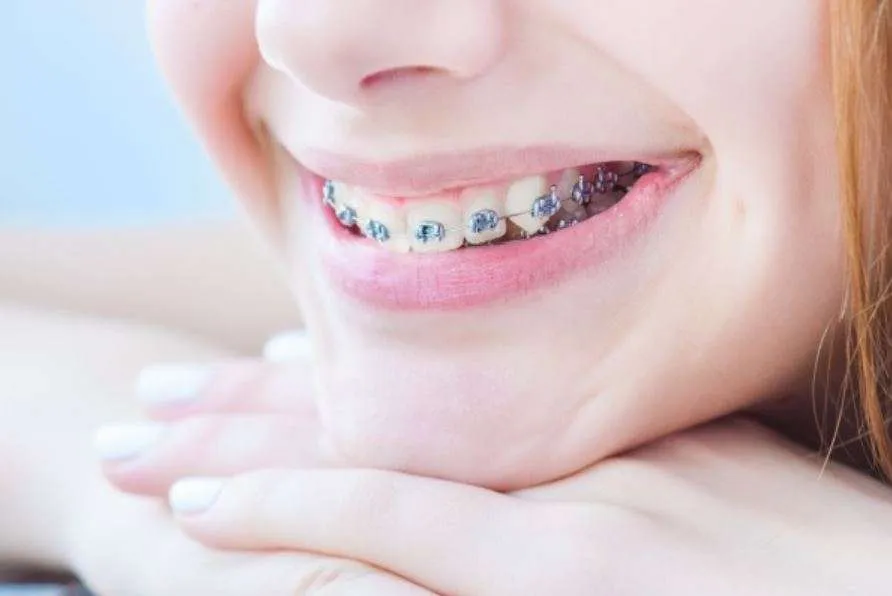
Dr. Al-Zahrawi relies on state-of-the-art orthodontic techniques, including both traditional braces and clear aligner systems, to gradually correct the position of tilted teeth while preserving the health of the gums and supporting bone.
For mild cases of tooth inclination, clear aligners (Aligners) may be used to offer patients an aesthetic and convenient solution that does not interfere with their daily appearance.
In more complex cases, such as severe tilting or pronounced dental crowding, a carefully designed fixed orthodontic treatment plan is implemented. When needed, this may be complemented by adjunctive procedures such as extraction of supernumerary or strategically selected teeth, or bone preparation techniques, in order to achieve the best possible outcome.
Dr. Amir Al-Zahrawi’s clinic is dedicated to creating a harmonious, functional smile, with close monitoring at every stage of tilted-teeth treatment to ensure long-term stability of results and to minimize the risk of relapse.