What Is Meant by Orthodontic Relapse?
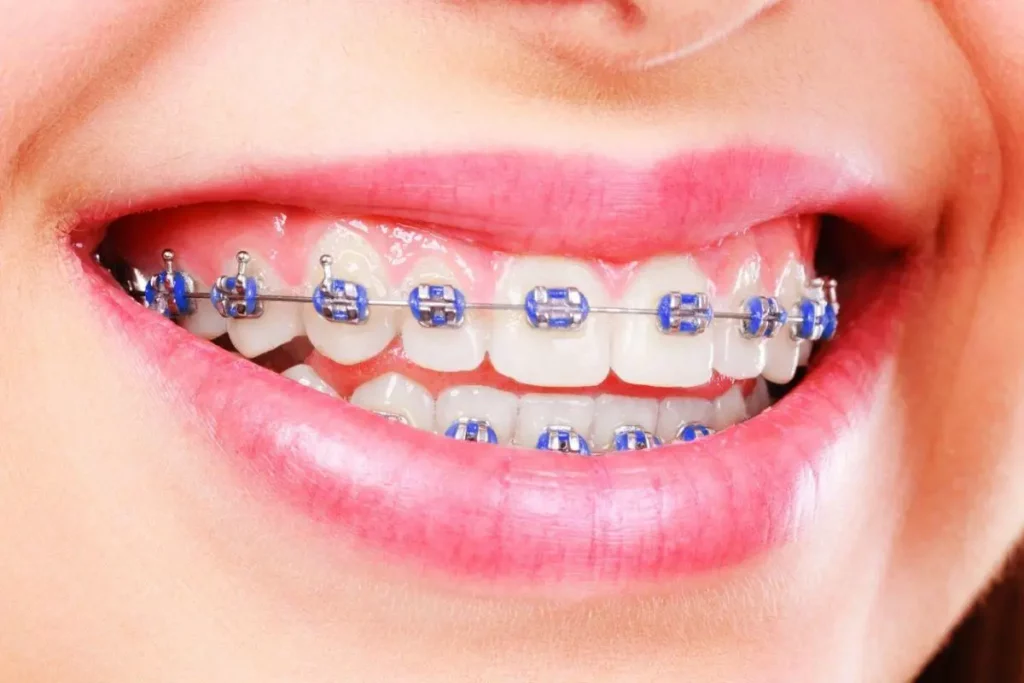
Orthodontic relapse refers to the gradual movement of teeth back toward their original, misaligned positions after they have been straightened with orthodontic treatment.
This shift commonly occurs when teeth are not properly stabilized following the removal of braces, or when patients fail to wear their retainers—whether removable (clear retainers) or fixed—according to their orthodontist’s instructions.
Over time, forces from the surrounding oral muscles, chewing pressure, and harmful oral habits can all contribute to moving the teeth away from their ideal alignment, leading to partial or even complete crowding and misalignment again.
Understanding orthodontic relapse helps patients recognize how crucial the retention phase is after braces, and highlights the importance of adhering to their dentist’s or orthodontist’s guidelines to avoid undergoing another full course of orthodontic treatment with its associated cost, time, and effort.
What are the main causes of teeth crowding or relapse after orthodontic treatment?
Failure to Wear the Retainer as Prescribed
After orthodontic treatment, poor adherence to retainer use is one of the most common reasons for teeth shifting back out of alignment.
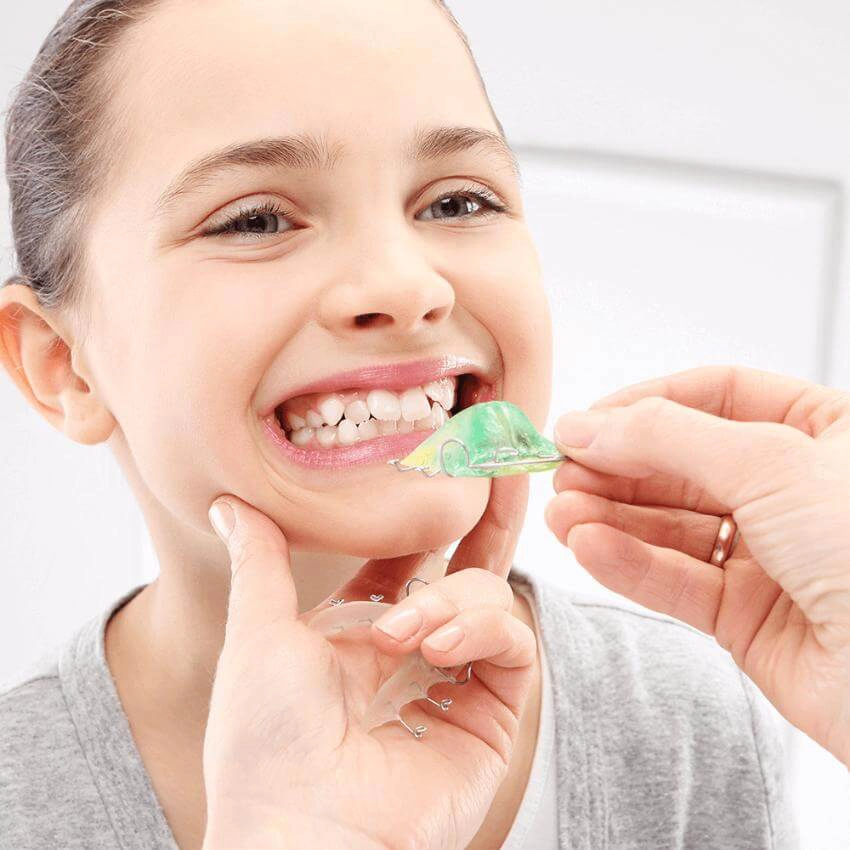
The retainer’s role is to hold the teeth in their new positions until the surrounding bone, gums, and supporting tissues adapt to the changes made during orthodontic treatment.
If the patient does not wear the retainer for the duration and daily hours specified by the orthodontist, the teeth will gradually start to move toward their original positions due to the natural “memory” of the periodontal fibers around the teeth.
This movement may be subtle at first, but over time it can result in noticeable relapse, especially in the lower front teeth, which are the most prone to crowding again after treatment.
Stopping Retainer Use Too Early
Even patients who begin by following instructions may make the mistake of discontinuing their retainer as soon as their teeth look straight.
However, stabilizing the results of orthodontic treatment requires sufficient time for the bone around the tooth roots to fully remodel, and this period varies from one person to another; it can extend over several months or even years.
Abruptly or prematurely stopping retainer wear allows the teeth to move freely again, raising the likelihood of relapse.
For this reason, strict adherence to the retention plan prescribed by the orthodontist—whether using a removable retainer or a fixed (bonded) retainer—is essential to prevent the teeth from shifting after braces.
Natural Age‑Related Changes in the Jaws
Even with good retainer compliance, some degree of tooth crowding or misalignment may appear over time due to natural, age‑related changes in the jaws.
As the years pass, the shape of both the upper and lower jaws can change gradually; the lower jaw may shift slightly forward or become marginally narrower, which can cause mild crowding in the front teeth, particularly the lower incisors.
These physiological changes do not indicate that orthodontic treatment has failed; rather, they are part of the normal aging process of the mouth and dentition, much like the development of skin wrinkles with age.
Wearing the retainer for longer periods and attending regular follow‑up visits with the orthodontist help minimize the impact of these changes and maintain tooth alignment as much as possible.
Impact of Wisdom Teeth in Certain Cases
In some patients, the eruption of third molars (wisdom teeth) can contribute to post‑treatment crowding, particularly when there is insufficient space in the posterior segments of the jaw for these teeth to emerge.
When wisdom teeth attempt to erupt into a limited space, they may exert pressure on the adjacent molars, leading to slight crowding or displacement of the front teeth.
That said, recent research suggests that the effect of wisdom teeth on anterior crowding is not always direct or significant, and it varies from person to person depending on jaw size and the angulation and path of eruption of the wisdom tooth.
Therefore, radiographic evaluation of the wisdom teeth by the dentist or orthodontist after completing treatment is important to decide on the best approach—whether simple observation is sufficient or preventive extraction is recommended to reduce any potential impact on tooth alignment.
How Does Skipping Your Retainer Lead to Crooked Teeth?
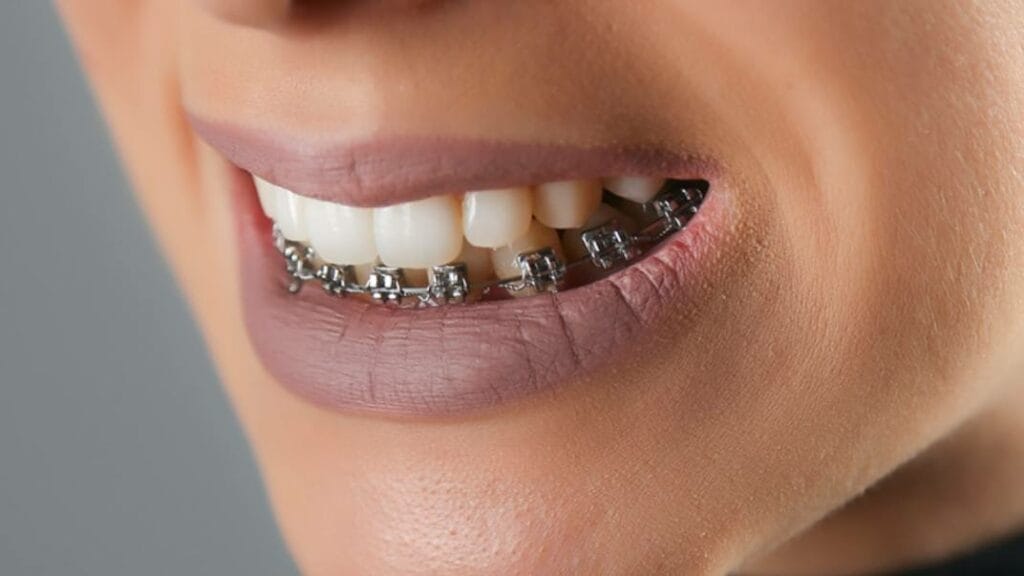
Not wearing your retainer after finishing orthodontic treatment is one of the main reasons teeth start to shift back, causing crowding or new gaps over time.
Once braces or clear aligners are removed, the jawbone and surrounding tissues enter a remodeling phase. During this period, the teeth are relatively unstable and tend to move back toward their original positions or shift under the influence of muscles, the tongue, and daily habits such as clenching or pressing on the teeth.
The retainer’s role is to maintain the alignment achieved by orthodontic treatment and prevent teeth from drifting again. Ignoring your retainer, whether in the period immediately after treatment or over the long term, significantly increases the risk of relapse and noticeable misalignment, which may eventually require a full round of orthodontic treatment again.
Wearing your retainer consistently, exactly as prescribed by your orthodontist, is essential to keeping your teeth straight in the long run and protecting the results of your orthodontic treatment from relapsing.
Can teeth become crooked again even if you stick to the treatment plan?
Yes, teeth can shift back out of alignment even with good compliance, and this is often related to the nature of the surrounding bone and the “biologic memory” of the teeth, which tend to drift toward their original position after orthodontic treatment.
In many cases, the main reason is not wearing the retainer for the duration or in the manner prescribed by the dentist/orthodontist, or stopping retainer use too early. This allows teeth to gradually drift back over time.
Daily habits such as clenching, grinding (bruxism) during sleep, or tongue thrusting can also significantly contribute to relapse, even after successful completion of orthodontic treatment.
Age-related changes, as well as tooth loss without proper replacement, can affect the stability of the dental arch and lead to gradual tooth movement as well.
For these reasons, orthodontic treatment alone is not enough. Long-term retention (wearing retainers as instructed), regular follow‑up with the dentist or orthodontist, and correcting harmful oral habits are all essential to maintain the results of orthodontic treatment for as long as possible.
Causes of Dental Crowding and Misalignment in People Who Have Never Worn Braces
Dental crowding and misalignment in individuals who have never undergone orthodontic treatment usually result from a combination of factors that affect jaw growth and tooth positioning.
One of the main causes is genetics. Traits such as having a jaw that is relatively small or large in comparison to tooth size can be inherited from parents, leading to crowding when the jaw is too small, or spacing when it is too large.
Harmful oral habits during childhood also play a major role. Prolonged thumb-sucking, tongue thrusting against the teeth while swallowing or speaking, and extended use of a pacifier beyond the recommended age can all contribute to protrusion of the upper jaw and forward or outward tilting of the teeth.
Premature loss of primary (baby) teeth, if not properly managed or monitored by a dentist, may disturb the natural eruption path of the permanent teeth, causing them to emerge crooked or deviated from their ideal position.
Chronic mouth breathing, often due to persistent nasal obstruction, is another important factor. Over time, it alters tongue posture and jaw positioning, which can lead to mild to more pronounced malocclusions and misalignment of the teeth.
In addition, trauma or injury to the mouth or jaw may displace teeth from their normal position or interfere with their proper development and eruption.
Recognizing these causes helps in early detection of dental misalignment and in implementing preventive or corrective measures before more complex treatment becomes necessary.
What are the early signs that teeth are starting to shift out of alignment?
Crowding of the front teeth
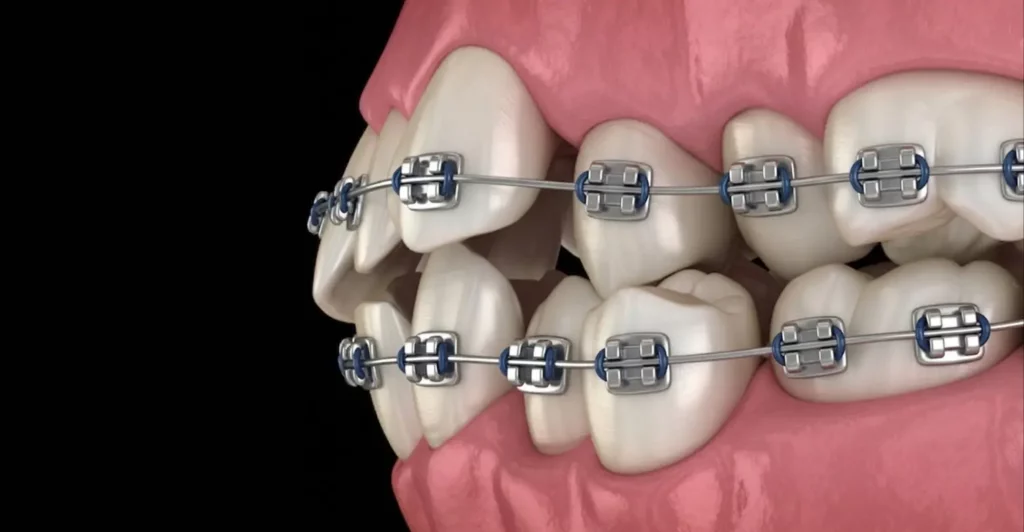
One of the earliest signs that teeth are starting to relapse is the appearance of slight crowding in the front teeth, particularly the upper and lower incisors.
When teeth begin to shift after orthodontic treatment, you may notice that one tooth is positioned slightly ahead of its neighbour, or that another has rotated a little.
This subtle change in the alignment of the anterior teeth suggests that post‑orthodontic stability is not ideal, and that further misalignment may develop over time if the situation is not addressed promptly by visiting your dentist or orthodontist.
Keeping an eye on any new crowding or increase in overlap between the front teeth helps detect orthodontic relapse at an early stage.
New gaps forming between the teeth
The appearance of new spaces, or the widening of pre‑existing gaps between the teeth, is a clear indication that teeth are moving away from their proper positions.
If you have completed your orthodontic treatment and, over time, start noticing small spaces between teeth that were not there before, this is a sign that the teeth have begun to tilt or drift because of reduced stability or irregular use of your retainer.
These spaces, even if minor at first, can gradually increase, affecting the aesthetics of your smile and the harmony of your bite (occlusion). For this reason, you should see your dentist promptly if you notice any unusual spacing between your teeth.
Changes in your bite or the way you chew
A change in your bite, or a feeling that your teeth no longer fit together as comfortably as they did right after orthodontic treatment, is one of the most important early indicators of relapse.
You may notice that your teeth no longer come together in the same way, that certain teeth touch or bear more pressure than others when you close your mouth, or that chewing feels unbalanced.
These changes often suggest that the teeth and jaws are partially returning toward their previous positions, or that some teeth are moving in an irregular pattern.
Ignoring this sign can lead to temporomandibular joint (TMJ) problems, difficulty chewing, and an increased risk of tooth wear.
Difficulty wearing your old retainer
If you struggle to insert your removable retainer, or it suddenly feels tight or painful when you put it in, this is a strong indication that your teeth have begun to move from their ideal alignment.
Your retainer is designed to fit the exact position of your teeth at the end of orthodontic treatment, so any loss of that precise fit means that slight tooth movement has already occurred.
Feeling excessive pressure, or finding that the retainer no longer seats fully as it used to, is an early sign that orthodontic relapse is starting.
In this situation, you should not ignore the problem or stop using the retainer; instead, you need to see your orthodontist to adjust the treatment plan and prevent the misalignment from progressing.
How can you prevent teeth from becoming crooked again?
.
Adhering to Your Orthodontist’s Instructions
Strictly following your orthodontist’s post-treatment instructions is the most critical step in preventing your teeth from shifting back out of alignment.
Your dentist or orthodontist assesses each case individually and determines how long you should wear your retainer, how often you need check-ups, and any special guidelines related to diet and oral hygiene.
Ignoring these recommendations significantly increases the likelihood of gradual tooth movement and the return of some degree of crowding or misalignment.
It is therefore essential to follow your doctor’s advice exactly, and to ask about anything you are unsure of—such as the duration of retention or the correct way to use the retainer—to help keep your orthodontic results stable over the long term.
Maintaining Regular Retainer Use
The dental retainer is the primary tool for preserving tooth alignment after braces are removed, and neglecting it is one of the main reasons teeth relapse into their previous positions.
You must wear the retainer for the length of time and number of hours specified by your orthodontist, whether it is a removable retainer or a fixed (bonded) one.
Leaving your retainer out for long stretches, or not wearing it for several consecutive days, allows the teeth to drift gradually back toward their original alignment.
Taking proper care of your retainer—wearing it as instructed, cleaning it regularly, and storing it correctly when not in use—helps maintain the results of orthodontic treatment and reduces the chance you will need braces again.
Regular Follow-Up After Orthodontic Treatment
Ongoing follow-up visits with your dentist or orthodontist after your braces are removed are essential for early detection of any tendency for the teeth to start shifting.
During these appointments, the doctor examines tooth position, evaluates how well the retainer is working, and makes any necessary adjustments before noticeable changes occur.
Skipping these visits can lead to worsening relapse without the patient realizing it in the early stages.
Keeping all follow-up appointments, even if your teeth look perfectly straight, helps stabilize your final orthodontic outcome and lowers the risk of future misalignment.
Supporting Gum and Dental Health
Maintaining healthy gums and teeth plays a key role in preventing orthodontic relapse.
Gum disease (periodontal inflammation), tartar (calculus) build-up, and loss of the bone that supports the teeth can all cause teeth to loosen and shift over time.
Brushing twice daily, using dental floss and an appropriate mouthwash, and seeing your dentist regularly for professional cleaning help keep the teeth stable in their new positions.
The stronger and healthier your gums and supporting tissues are, the more likely your orthodontic results will remain stable and the lower your risk of teeth shifting back after treatment.
Book a Consultation with Dr. Amir Al-Zahrawi for the Treatment of Dental Malalignment
If you’ve noticed crooked or misaligned teeth in yourself or your child and are looking for an accurate diagnosis and a safe treatment plan, you can book a consultation with Dr. Amir Al‑Zahrawi, a specialist in orthodontics and the correction of all types of dental malalignment.
During the consultation, Dr. Al‑Zahrawi will assess the underlying causes of the malalignment—whether genetic factors, harmful childhood habits, or jaw growth disorders—and then design a personalized treatment plan tailored to your specific case.
Dr. Amir Al‑Zahrawi uses the latest orthodontic techniques, including fixed braces and clear aligners, while taking into account both function and aesthetics to improve your bite and your smile at the same time.
Booking an early consultation helps prevent the condition from worsening, shortens the overall treatment duration, and allows you to choose the most appropriate method to correct dental malalignment according to your age, budget, and lifestyle.
A single specialist consultation can be the turning point between living with ongoing malalignment and its potential complications, and achieving a well-aligned, healthy smile that lasts for years.