The Difference Between Tartar and Dental Plaque
Table of Contents
Tooth enamel is the hardest substance in the human body—even harder than bone. That doesn’t mean, however, that your teeth need any less care than the rest of your body. Dental problems like plaque and tartar, if left untreated, can damage your teeth and lead to more complex gum issues.How can you tell if your teeth have plaque or tartar? What exactly is the difference between them? And how can they be treated? Keep reading to find out.
What Is Dental Tartar?
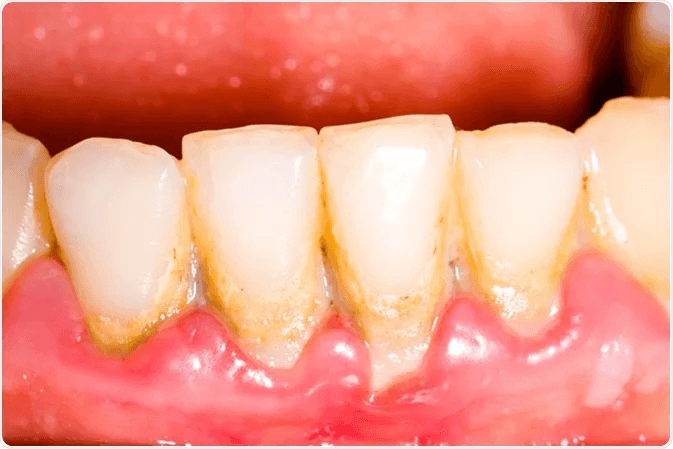
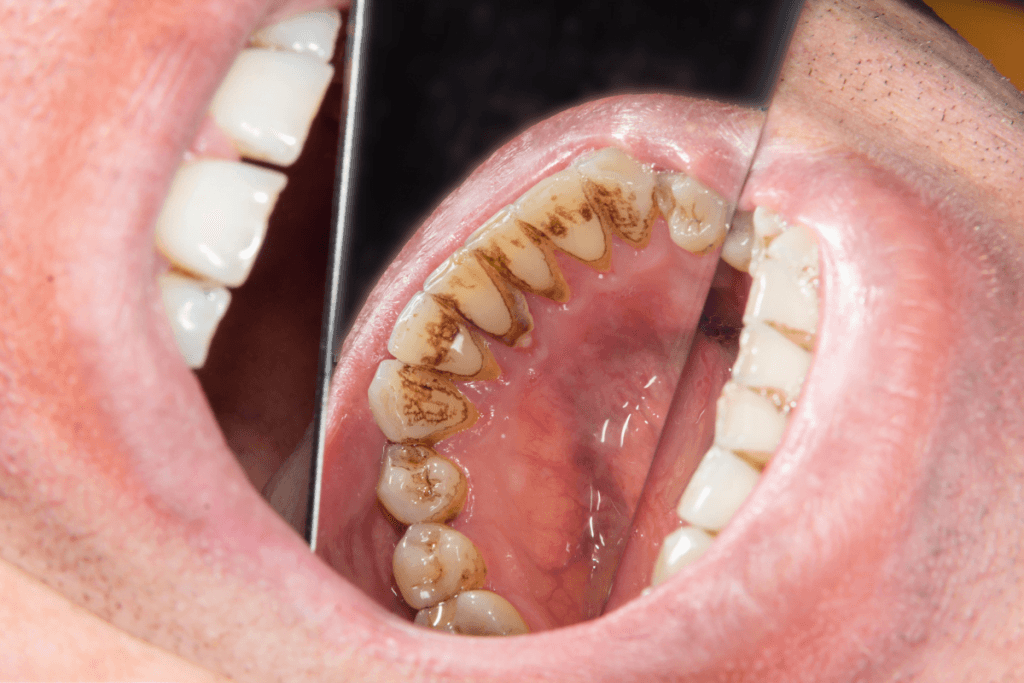
To understand the difference between tartar and dental plaque, it helps to start with what tartar actually is. Tartar (also called calculus) forms when plaque is not removed and is allowed to build up on the teeth. If plaque stays on your teeth for too long, it hardens and turns into tartar, which becomes very difficult to remove. During this process, plaque traps calcium and other minerals from your saliva, causing it to calcify and become rock-hard.In fact, tartar can only be removed by a dental professional—you can’t get rid of it just by brushing and flossing at home. This is one of the main reasons why it’s so important to visit your dentist every six months for a professional cleaning.Hardened plaque that turns into tartar can do more than just contribute to cavities. It can also cause tooth discoloration and sensitivity, as well as gum recession and periodontal (gum) disease. To minimize plaque and tartar buildup, make sure you brush and floss your teeth every day.
What Is Dental Plaque?
To understand the difference between tartar and dental plaque, you also need to know what plaque is. Plaque is a soft, sticky, pale yellow biofilm that forms on your teeth when food debris and drinks mix with saliva and the bacteria naturally present in your mouth. These bacteria feed on sugars in your diet and produce acids as a byproduct. Those acids attack tooth enamel—the mineralized outer layer of your teeth that protects them.Plaque buildup can lead to tooth decay, bad breath, and gum disease. The good news is that plaque can be removed effectively with proper, consistent brushing and flossing.You should also make sure to drink plenty of water, and you may consider adding electrolyte-rich fluids as well, especially if you have dry mouth. With these measures, you can help prevent plaque accumulation and reduce your risk of more serious dental problems such as gingivitis and cavities.
What Is the Difference Between Tartar and Dental Plaque?
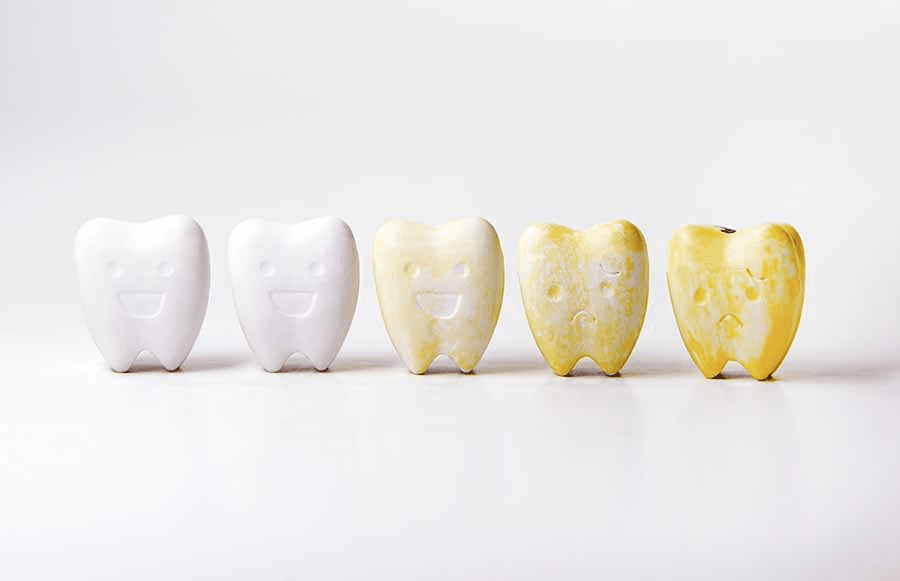
Both tartar and plaque are closely related to oral health, but they have distinct characteristics. The difference between tartar and dental plaque can be summarized as follows:
1. Dental Plaque:
Some of the key points that highlight the difference between tartar and plaque include:
2. Dental Tartar:
Some of the key points that highlight the difference between tartar and plaque include:
Harmful Effects of Dental Tartar
Here are some of the harmful effects of tartar that help clarify the difference between tartar and plaque:
Harmful Effects of Dental Plaque
Here are some of the harmful effects of plaque that help clarify the difference between tartar and plaque:
Symptoms of Dental Tartar
To better understand the difference between tartar and plaque, it’s important to recognize the symptoms of tartar. In many cases, tartar does not cause obvious symptoms at first, especially in the early stages. However, as tartar continues to build up and dental problems develop, a variety of signs and symptoms may appear. Common warning signs associated with tartar include:
Preventing Dental Tartar
To prevent tartar buildup, you must first remove plaque from your teeth by brushing and flossing regularly. The following oral hygiene tips can help you remove plaque and reduce the chances of it hardening into tartar:
Key Tips After a Tartar-Cleaning Session
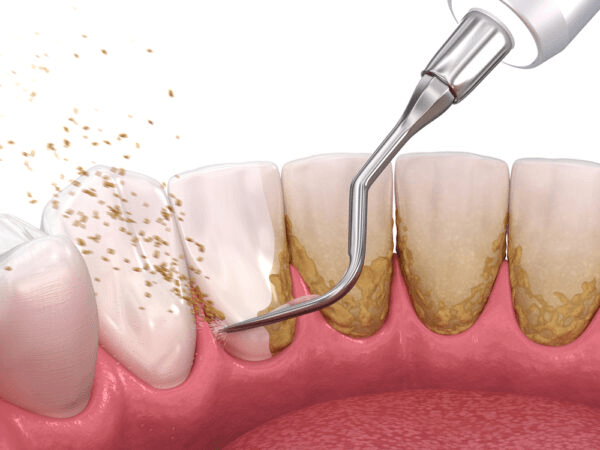
After having your teeth professionally cleaned to remove tartar, it’s important to follow these key recommendations to maintain oral health and prevent tartar from coming back:
Tartar and Plaque Removal in Jeddah
Dr. Abeer specializes in professional removal of tartar and dental plaque in Jeddah. Her services help prevent serious dental issues such as tooth decay and gum disease.She focuses on patient comfort and provides clear, practical guidance on how to maintain good oral hygiene at home. If you’re looking to improve your oral health, schedule an appointment with Dr. Abeer for professional tartar and plaque removal.