
Symptoms of Dental Nerve Inflammation
Table of Contents
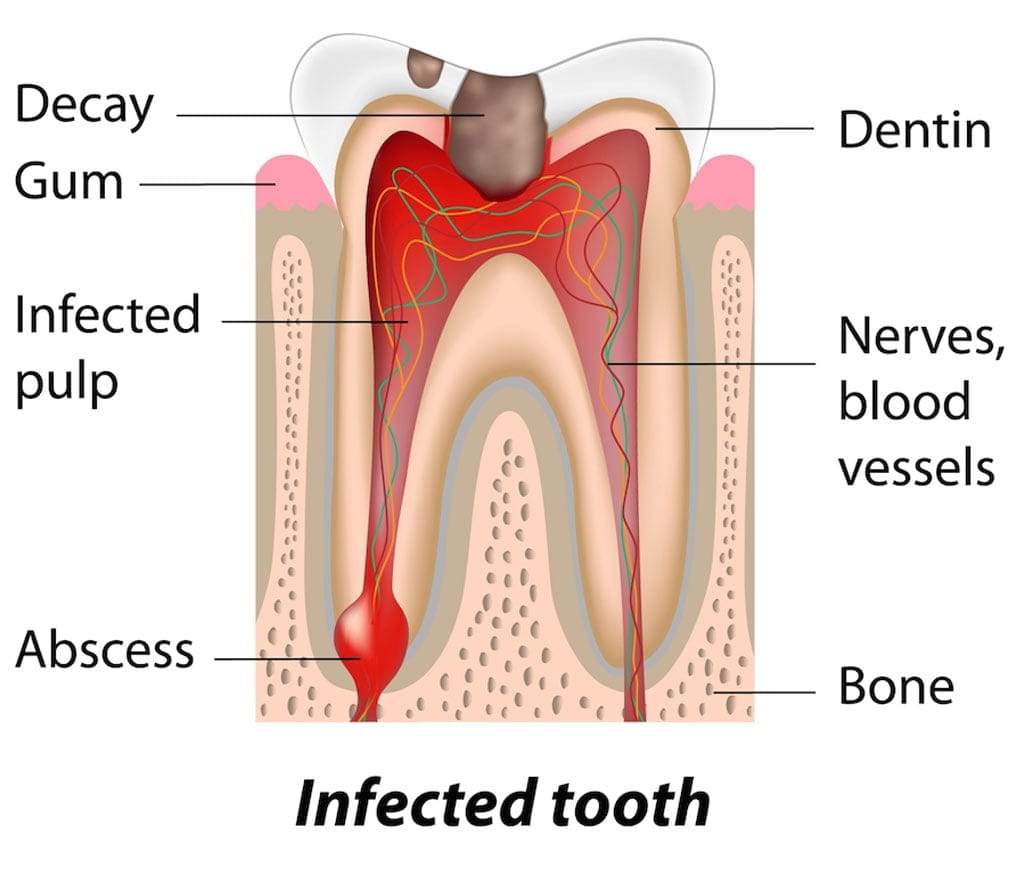
Symptoms of dental nerve inflammation, also known as pulpitis, appear when the soft tissue inside the tooth, called the pulp, becomes inflamed. Apical periodontitis, often referred to as a root canal infection, is a specific type of pulp inflammation that extends to the tissues surrounding the tip of the tooth root.In this article, we will cover the basics of pulpitis, its causes, progression, painless cases, prevention, risk factors, and treatment options.
What Is the Tooth Nerve?
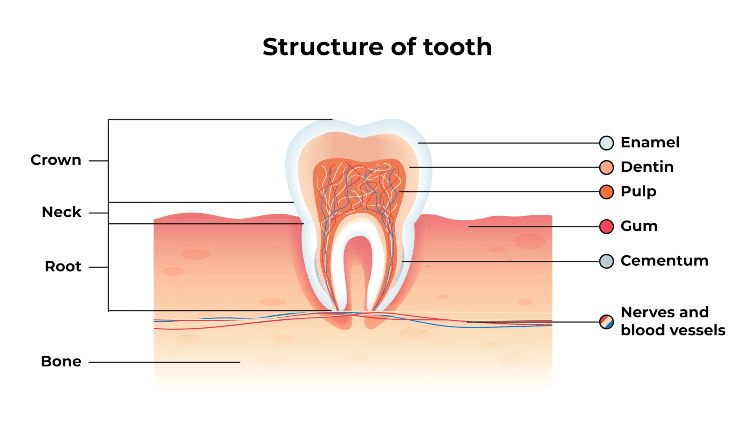
The “tooth nerve” is the dental pulp—the soft tissue inside the tooth that contains nerves, blood vessels, and connective tissue. It is enclosed and protected by dentin and enamel, the two hard outer layers of the tooth.The pulp extends from the crown (the visible part of the tooth) down through the roots, connecting the tooth to the rest of the body and allowing it to receive nourishment. Like any tissue in the body, the pulp can be damaged, leading to different types of disease.We can divide inflammation of the tooth nerve into two main categories, which helps determine the most appropriate treatment:
Symptoms of Tooth Nerve Inflammation

A tooth affected by pulpitis or a pulp infection may present with one or more of the following symptoms:Sometimes, there may be no symptoms at all. When pulpitis or a pulp infection is left untreated, it can eventually lead to severe pain, an abscess (swelling filled with pus), and loss of the supporting bone around the tooth.
The Importance of the Tooth Nerve
Dental nerves play a crucial role in the proper function and overall health of the teeth and oral cavity. Their importance includes:
1. Sensation and Pain Perception
2. Tooth Vitality
3. Chewing Function
4. Facial Expressions and Movement
5. Toothache and Sensitivity
Complications of Tooth Nerve Inflammation
There are several forms of pulp disease, including reversible pulpitis, irreversible pulpitis, and apical periodontitis.
Maintaining Oral Hygiene to Prevent Inflammation and Problems
Preventing pulpitis and apical periodontitis starts with good oral hygiene: brushing regularly with a fluoride toothpaste, using dental floss daily, and attending routine dental checkups.Avoiding tooth decay and treating dental problems at an early stage also helps reduce the risk of pulpitis and apical periodontitis.
When Is a Root Canal Needed?
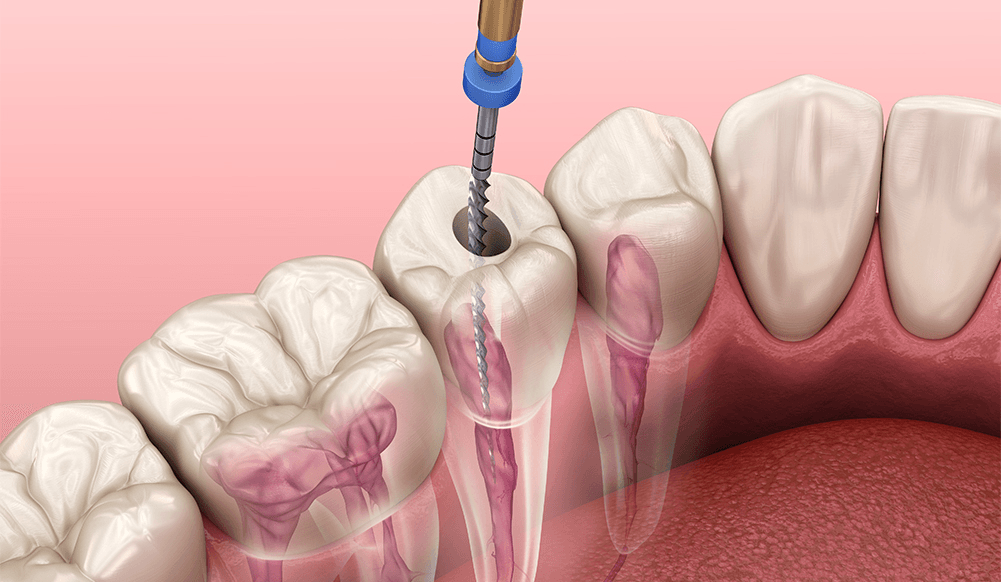
A root canal (endodontic treatment) is performed to treat problems affecting the pulp chamber inside the tooth. Any internal tooth problem requires prompt care. Signs that you may need a root canal include:1. Tooth sensitivity: Persistent pain when consuming hot or cold foods and drinks may indicate damage or infection of the nerves and blood vessels, requiring root canal treatment.2. Ongoing toothache: A constant, distracting toothache that comes and goes is a clear sign that a root canal may be needed.3. Swollen gums: Swollen, tender gums next to a painful tooth, or a pus-filled gum boil (dental abscess), indicate a problem that often requires root canal therapy.4. Tooth discoloration: Changes in tooth color due to pulp infection, deep decay, or trauma can signal the need for root canal treatment.5. Pain when touching or chewing: Severe nerve damage or deep decay causing continuous pain when biting or touching the tooth may require root canal therapy.6. Tooth damage: Cracks or fractures that allow bacteria to reach the pulp can lead to infection and inflammation, often necessitating specialized root canal care.
Cause of Tooth Nerve Inflammation
Tooth nerve inflammation is often caused by deep dental caries (tooth decay), tooth fractures, leaking or failing fillings, or dental infections. These conditions allow bacteria to enter the pulp, triggering an inflammatory response.If left untreated, pulpitis can spread to the tissues around the root tip, resulting in apical periodontitis.
Treatment of Tooth Nerve Inflammation in Jeddah

Dr. Abeer provides treatment for tooth nerve inflammation in Jeddah, helping patients manage pain and address the underlying cause of the problem. Her focus is on relieving discomfort through professional care, whether that involves root canal therapy or other appropriate treatments.Using modern techniques, Dr. Abeer ensures a thorough and comfortable process to restore your dental health. If you are experiencing nerve inflammation or tooth pain, her expertise and practical approach make her a reliable choice for treatment in Jeddah.