The Importance, Benefits, and Risks of Wisdom Teeth
Table of Contents
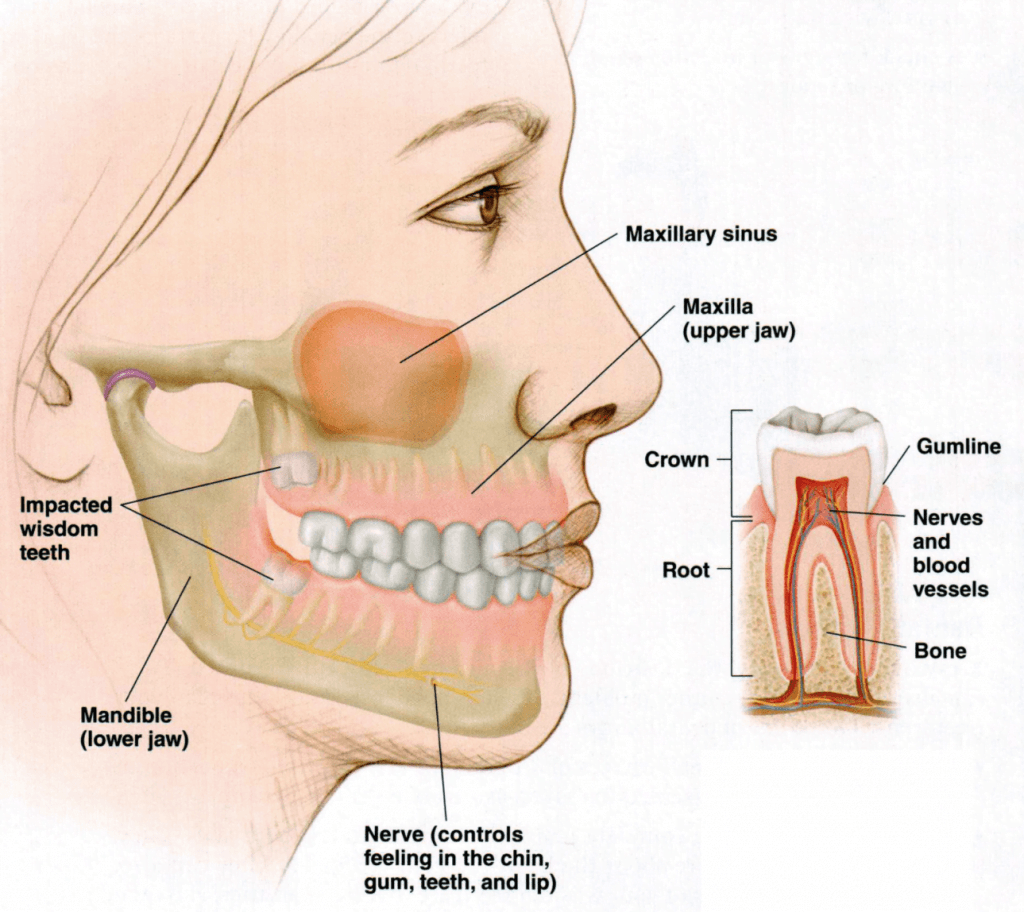
The set of teeth known as wisdom teeth, or third molars, typically appear in the late teen years to early twenties. While some people never have issues with them, others may develop complications such as impacted teeth or tooth decay. Impacted wisdom teeth can cause pain, discomfort, and potential problems for neighboring teeth. Keep reading to gain a clearer understanding of this common wisdom tooth issue.
What Are Wisdom Teeth?
Wisdom teeth, also known as third molars, are the last set of molars to develop in the human mouth. They usually erupt in late adolescence or early adulthood, most commonly between the ages of 17 and 25, although this timeline can vary from person to person. Here are some key features and details about wisdom teeth:
Common Problems with Wisdom Teeth
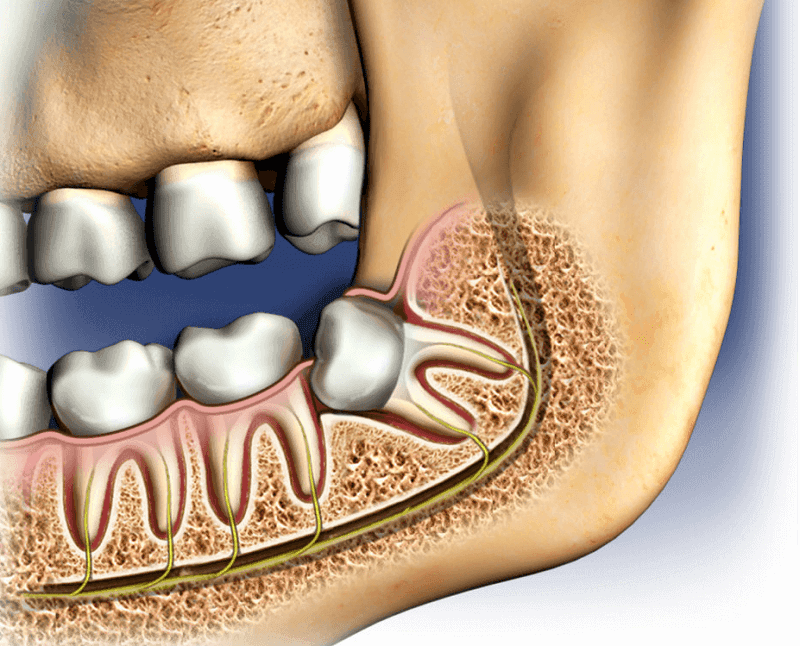
Wisdom teeth often face difficulties erupting properly, which can lead to a variety of issues. They may grow at different angles within the jaw, and in some cases, they can even grow horizontally.Common wisdom tooth problems include:
The Importance of Wisdom Teeth
Wisdom teeth are designed to help with chewing and grinding food, contributing to the digestive process. However, due to evolutionary changes in jaw size and shifts in dietary habits, these teeth frequently struggle to erupt in a healthy, functional position.When wisdom teeth do not grow in correctly, they can cause several problems, including impaction, infections, cyst formation, gum disease, tooth decay, and crowding of adjacent teeth. Regular dental checkups with Dr. Amir Al-Zahrawi can help monitor the development and condition of wisdom teeth, allowing for timely intervention when needed to prevent or manage related complications.
Complications of Wisdom Teeth

Complications related to wisdom teeth can significantly affect oral health. These problems often arise because the teeth erupt late and there is limited space in the jaw for them to emerge and function properly. Some of the most important complications associated with wisdom teeth include:
How to Keep Wisdom Teeth Clean
Maintaining good oral hygiene is essential for keeping wisdom teeth clean and healthy. Here are some tips to help you care for your wisdom teeth effectively:
When Should a Wisdom Tooth Be Removed?
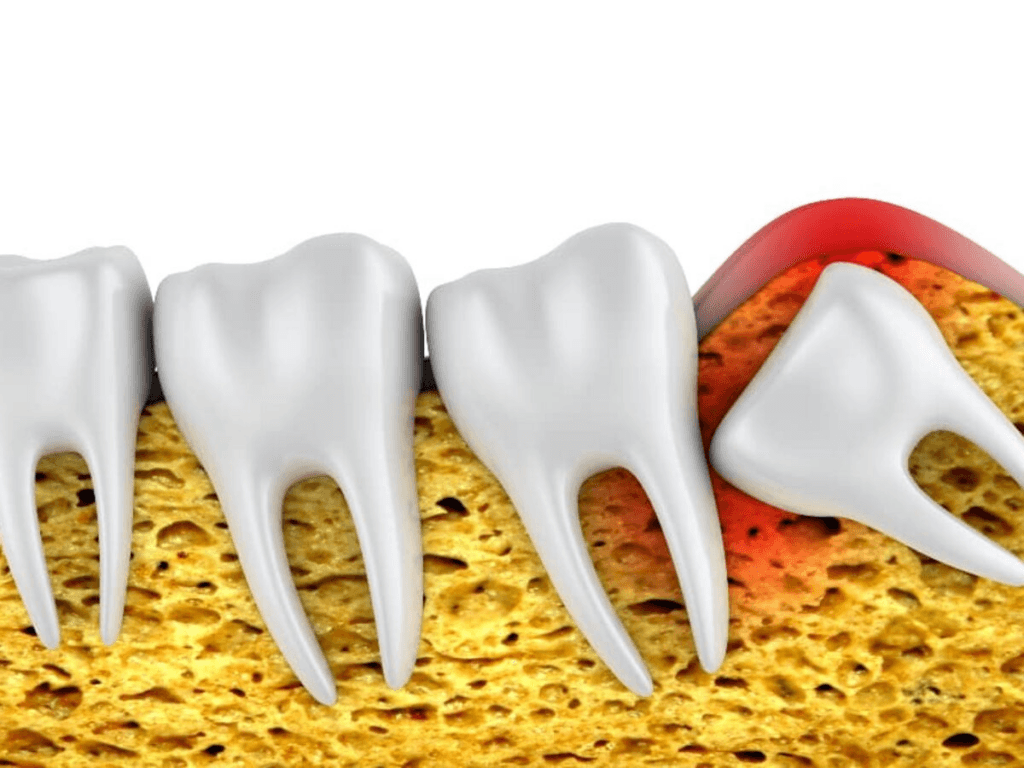
Some dentists may recommend removing wisdom teeth that fail to fully erupt or are likely to cause problems. Wisdom tooth extractions performed at a younger age—typically between 15 and 22 years—are generally simpler, safer, and involve shorter recovery times compared to extractions done later in life. This is mainly because the roots are not yet fully developed, the jawbone is less dense, and overall healing after surgery tends to be faster. For these reasons, some young adults choose to have their wisdom teeth removed proactively before any complications occur.Wisdom tooth extraction may be necessary if any of the following appear:Deciding whether to remove a wisdom tooth and choosing the best timing can sometimes be challenging. It is advisable to seek guidance from a dentist or oral and maxillofacial surgeon to determine the most appropriate treatment plan for your specific situation.