Immediate Dental Implants
Table of Contents
Immediate dental implants are a procedure in which both the implant and the replacement tooth are placed at the same appointment, directly after tooth extraction. This approach eliminates the usual three‑to‑six‑month healing period required before placing the implant with traditional methods.Dental implants have become a popular option for people who have lost one or more teeth because they provide an effective, long‑lasting solution for restoring both appearance and function. There are different techniques for placing dental implants, which can make it challenging to choose the best option for your specific case. However, if you’ve lost a tooth due to an unexpected incident—such as a fall, sports injury, accident, or other types of trauma—immediate dental implants offer an ideal solution, allowing the replacement tooth to be placed at the same time as the extraction.
What Are Immediate Dental Implants?
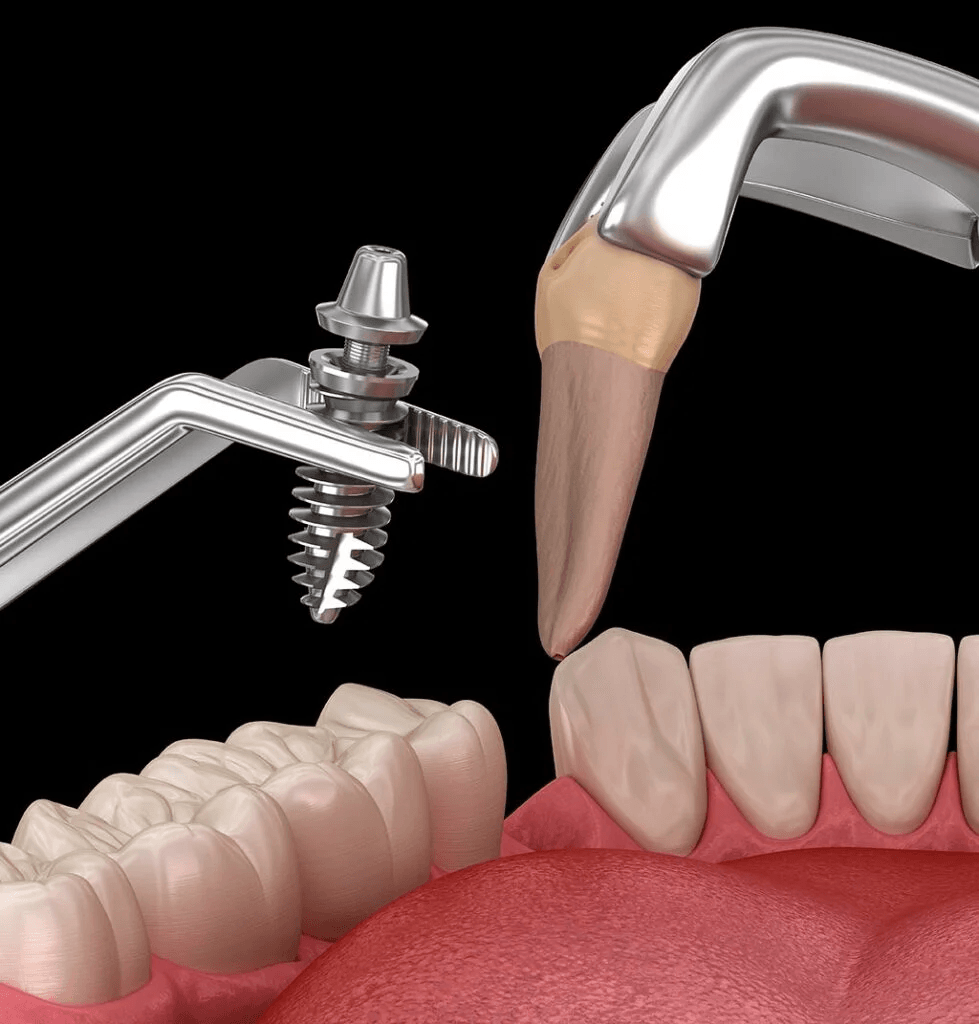
Immediate dental implants refer to a procedure in which the implant is inserted at the same visit as the tooth extraction, eliminating the long waiting period of three to six months associated with conventional dental implants.This approach, often referred to in dental terminology as “Immediate Implants” or “One‑Day Implants,” allows patients to receive their new teeth in roughly one hour.For individuals who have fractured a tooth or are at risk of losing one, immediate dental implants provide a practical replacement option. Dentists understand that most people do not want to spend time without teeth, which is why immediate implants offer a quick, cost‑effective, and long‑term solution to this problem.After performing a comprehensive evaluation, Dr. Amir Al‑Zahrawi can place the dental implant right after the tooth is removed, ensuring a smooth transition to your new smile.
Why Are Dental Implants Important?
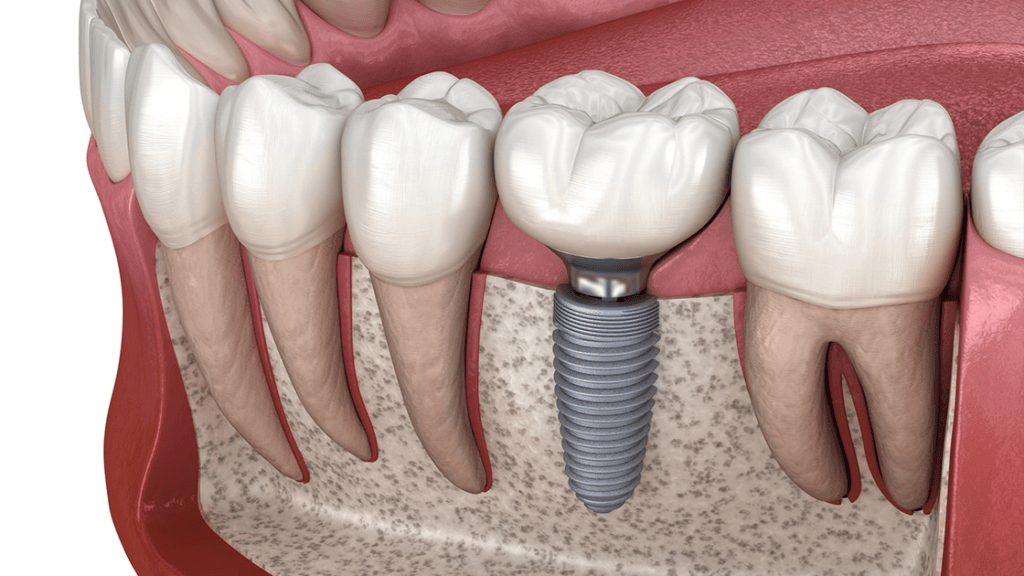
Dental implants play a crucial role in modern dentistry, offering numerous benefits for people dealing with tooth loss. Here are some of the main reasons that highlight their importance:– They restore chewing efficiency and speech. – They help preserve jawbone volume and prevent bone resorption. – They maintain facial structure and support the lips and cheeks. – They provide a stable, fixed alternative to removable dentures. – They offer a natural look and feel, improving confidence and quality of life.
How Are Immediate Dental Implants Placed?
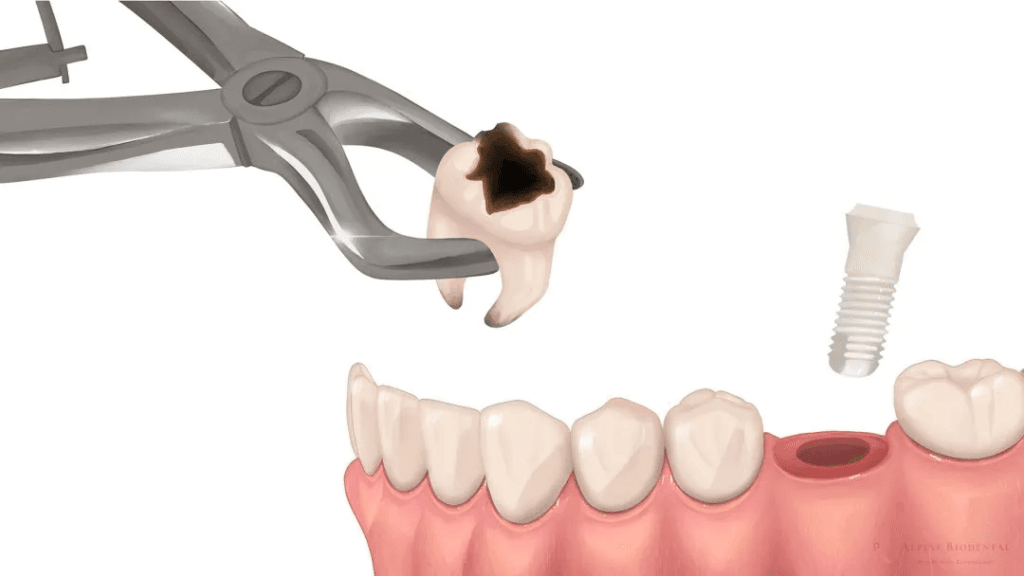
The process for immediate dental implants is similar whether you’re replacing a single missing tooth or multiple teeth. Here’s what you can typically expect at an implant clinic:
1. Examination and Evaluation
First, a comprehensive assessment is performed. This usually includes panoramic X‑rays, cone‑beam CT (CBCT) scans, and a thorough oral examination. These diagnostic tools help determine the optimal implant position and assess the condition and volume of the surrounding bone. The implant specialist will evaluate whether immediate implants are a suitable option in your specific case.
2. Surgical Planning
The initial step in treatment planning involves preparing the implant site and deciding on the implant dimensions and angle. If immediate placement is appropriate for you, your dentist can proceed to extract the compromised tooth and place the implant either during the same visit or at your next scheduled appointment, depending on clinical findings.
3. The Implant Procedure
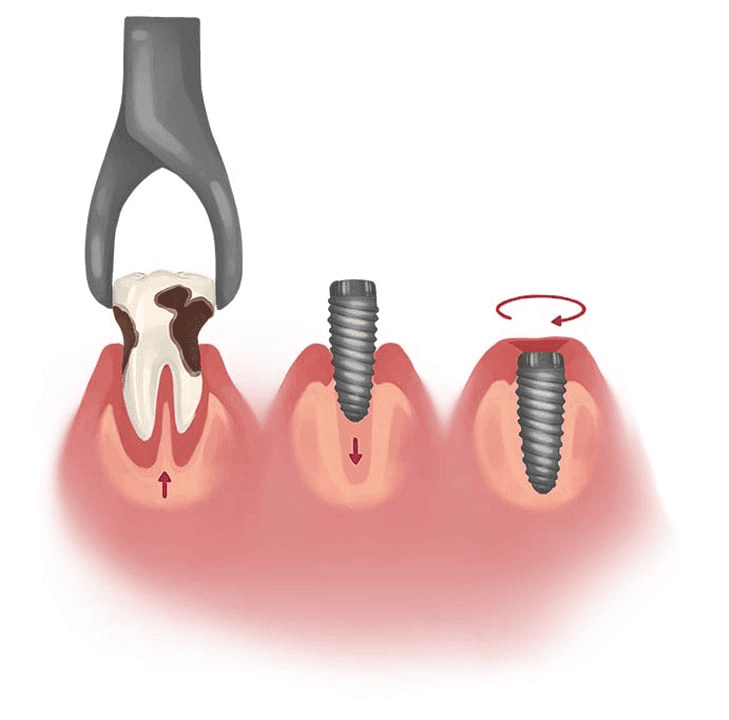
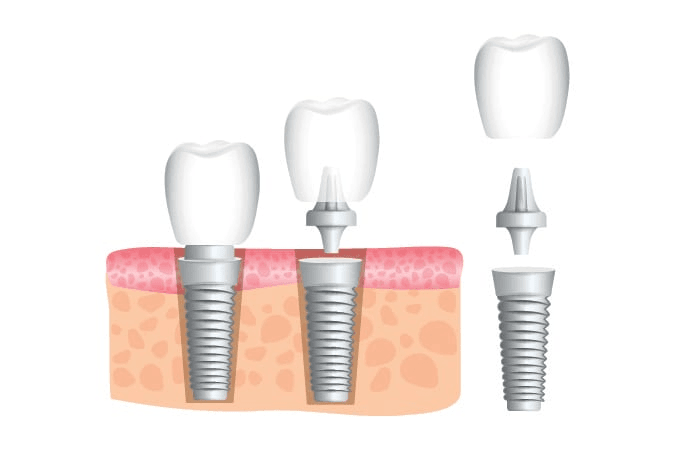
On the day of surgery, the tooth is extracted and the surrounding bone is reassessed. If there is not enough bone to support the implant, bone grafting may be performed at this stage. Once the site is prepared, a titanium implant (screw) is inserted directly into the jawbone. After securing the implant, a temporary crown is attached. The soft tissues around the site are then sutured, and a healing abutment may be placed to protect the area and shape the gums.
4. Healing Phase
You are usually scheduled for a follow‑up visit about seven to fourteen days after surgery to check the implant site and remove any sutures if necessary. Proper osseointegration (the process where the implant fuses with the jawbone) and soft‑tissue healing are essential to long‑term success. Osseointegration typically occurs over a period of about four to six months. During this time, you’ll be advised to follow a soft‑food diet, especially in the first eight weeks after implant placement, to avoid overloading the implant.
5. Placement of the Permanent Crown
Once healing is complete and the implant is fully integrated, your dentist will connect a final abutment and place the permanent crown onto the implant fixture. You will then receive follow‑up care, including periodic checkups and any necessary adjustments, to ensure everything is functioning as intended.
Who Might Need Immediate Dental Implants?
Immediate dental implants can be an excellent solution in many situations. Some common scenarios where immediate placement may be recommended include:– A tooth that is fractured beyond repair. – A tooth with a poor long‑term prognosis (e.g., severe decay, advanced root fracture, or failed root canal treatment). – Recent tooth loss due to trauma or accidents. – Situations where the patient wishes to avoid wearing a removable temporary denture. – Cases where preserving the surrounding gum tissue and bone contour is a priority for esthetic reasons, especially in the front (smile) zone.
What Is the Difference Between Immediate and Traditional Dental Implants?
1. Timing – Immediate implants are placed at the same visit as the tooth extraction. – Traditional implants are placed several weeks or months after the extraction, once the site has healed.2. Healing Process – With immediate implants, the extraction socket and implant site heal simultaneously, and a temporary crown is often placed right away. – With traditional implants, the extraction site heals first, then a separate healing period is needed after implant placement before the crown is attached.3. Surgical Complexity – Immediate placement can be more technically demanding because the surgeon must manage extraction, implant placement, and sometimes bone grafting in one stage while ensuring primary stability. – Traditional implants may involve multiple stages but can be more straightforward in complex cases where the bone or gums need significant preparation.4. Success Rates – Both approaches have high success rates when properly planned and executed; however, in some cases, traditional delayed placement may offer slightly more predictable outcomes, especially where bone quantity or quality is compromised.
Advantages of Immediate Dental Implants
1. Faster Overall Treatment Time One of the main advantages of immediate dental implants is the significant reduction in treatment time. With this approach, you can receive a new tooth and regain full oral function in a single visit, avoiding multiple surgical appointments spread over several months.2. Preservation of Bone and Gum Tissue After a tooth is extracted, the surrounding bone and gum tissue can begin to shrink or collapse. Immediate implants help preserve these vital structures by supporting the socket from within, reducing further bone loss and maintaining the natural contour of the gums.3. Immediate Restoration of Function Immediate implants allow you to quickly restore chewing ability and speech, enabling you to eat, drink, and speak with confidence almost right away (within the limitations your dentist sets). This is especially beneficial for those who want to avoid the discomfort and self‑consciousness associated with missing teeth or removable temporary prostheses.
Disadvantages of Immediate Dental Implants
1. Higher Risk of Implant Failure A potential downside of immediate implants is a slightly higher risk of implant failure compared with delayed placement. Because the implant is placed in a fresh extraction site that has not fully healed, its primary stability can be more challenging to achieve, which may increase the risk of micromovement, infection, or loss of integration in some cases.2. Higher Cost Immediate dental implants are often more expensive than traditional staged implants. The increased cost is related to the complexity of the surgical procedure, the need for advanced planning and imaging, and the possible use of additional materials such as bone grafts or specialized temporary restorations.3. Not Suitable for All Patients Immediate placement is not appropriate for everyone. It may be contraindicated in patients with active oral infections, advanced periodontal (gum) disease, uncontrolled systemic conditions (such as uncontrolled diabetes), heavy smoking, or compromised immune systems. A thorough evaluation by a dental specialist is essential to determine whether you are a suitable candidate for immediate implants.
Candidates for Immediate Implant Placement
If you need to have a tooth extracted, choosing same‑day immediate implant placement can help maintain the appearance of your smile and prevent complications associated with temporary tooth loss, such as difficulty chewing and speaking, unwanted drifting of adjacent teeth, and progressive jawbone loss.In general, good candidates for immediate implants are individuals with adequate jawbone density and volume, healthy gums, and no active infection at the implant site. Even patients with reduced bone volume can often be treated successfully using bone grafting techniques to rebuild the area.If you’re unsure whether you qualify for immediate dental implants, it is advisable to consult with Dr. Amir Al‑Zahrawi. He will perform a detailed examination and comprehensive assessment of your specific condition to determine the most appropriate treatment plan for your dental implant needs.
Immediate Dental Implants in Jeddah
Dr. Abeer offers immediate dental implant services in Jeddah. With a strong focus on patient comfort and effective treatment, she provides high‑quality care designed to restore your smile in just a single visit. By using advanced techniques and state‑of‑the‑art technology, Dr. Abeer ensures a smooth, efficient, and hassle‑free experience for patients who want to replace missing teeth as quickly as possible.Whether you need a single tooth replaced or multiple implants, her expertise and personalized approach make her a reliable choice for implant solutions in Jeddah.