Dental Bonding
Dental bonding is a procedure in which a tooth-colored resin material is applied to the tooth, then hardened so it adheres firmly to the tooth surface. Many people choose dental bonding because it helps them restore their smile.It is a non-surgical treatment and is suitable for people who prefer to avoid more invasive procedures. Dental bonding doesn’t just improve how teeth look; it can also help people who want to improve how their teeth function.Bonding is often recommended for people with chipped or cracked teeth. It is also an option for those with discolored teeth.Keep reading to learn more about dental bonding, including its benefits, aftercare, and more.
What Is Dental Bonding?
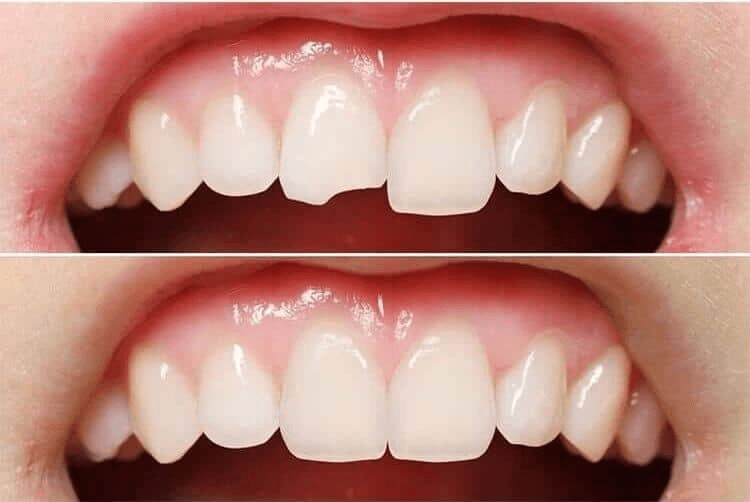
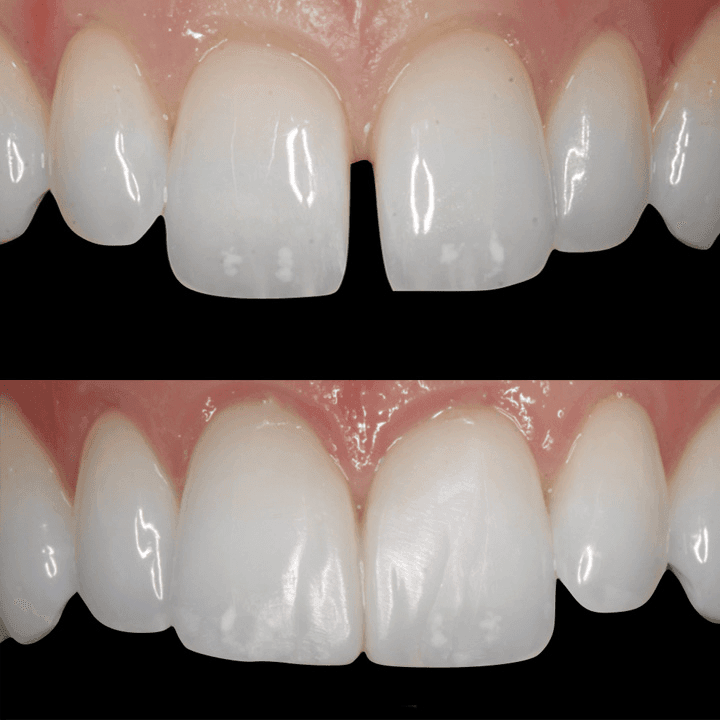
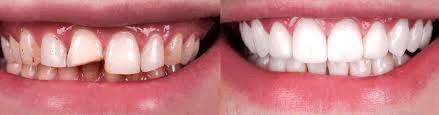
Dental bonding is a cosmetic procedure used to repair teeth that are chipped, cracked, or otherwise damaged. It also helps treat tooth discoloration, close small gaps, lengthen the incisal edge (biting edge) of teeth, and fill small to medium-sized cavities.The “bond” is a composite resin that covers the area where the tooth broke or where decay has created a cavity. Composite resins come in a range of shades, allowing the dentist to match the material closely to the natural color of your tooth.
When Is Dental Bonding Used?
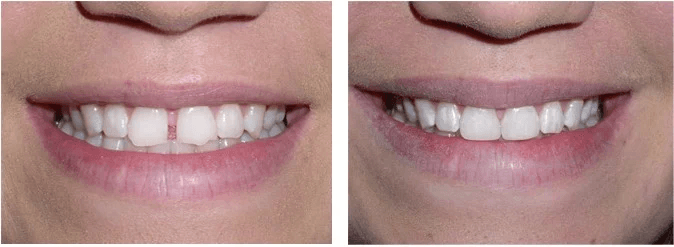
Dental bonding—also known as cosmetic bonding or composite bonding—can be used in the following situations:– To repair chipped or cracked teeth – To improve the appearance of discolored teeth – To close small gaps between teeth (diastemas) – To change the shape of teeth or make them look longer – To protect part of the tooth’s root that has been exposed due to gum recession – To fill small to medium cavities as a tooth-colored alternative to amalgam fillingsDental bonding can also be helpful for people who are prone to tooth decay. The composite resin used in cosmetic bonding creates a smoother surface on the tooth, eliminating many of the tiny grooves and pits where bacteria can accumulate and cause decay.
Advantages of Dental Bonding
Dental bonding is one of the most common procedures in cosmetic dentistry. Some of the key advantages of dental bonding include:– Minimally invasive: Usually requires little to no removal of natural tooth structure. – Quick treatment: Often completed in a single visit for one or a few teeth. – Cost-effective: Generally less expensive than veneers and crowns. – Aesthetic improvement: Matches the color of your natural teeth and enhances your smile. – Versatile: Can address chips, cracks, discoloration, gaps, and minor shape corrections. – Reversible in many cases: Since very little enamel is removed, treatment can often be modified or replaced later.
What Materials Are Used in Dental Bonding?
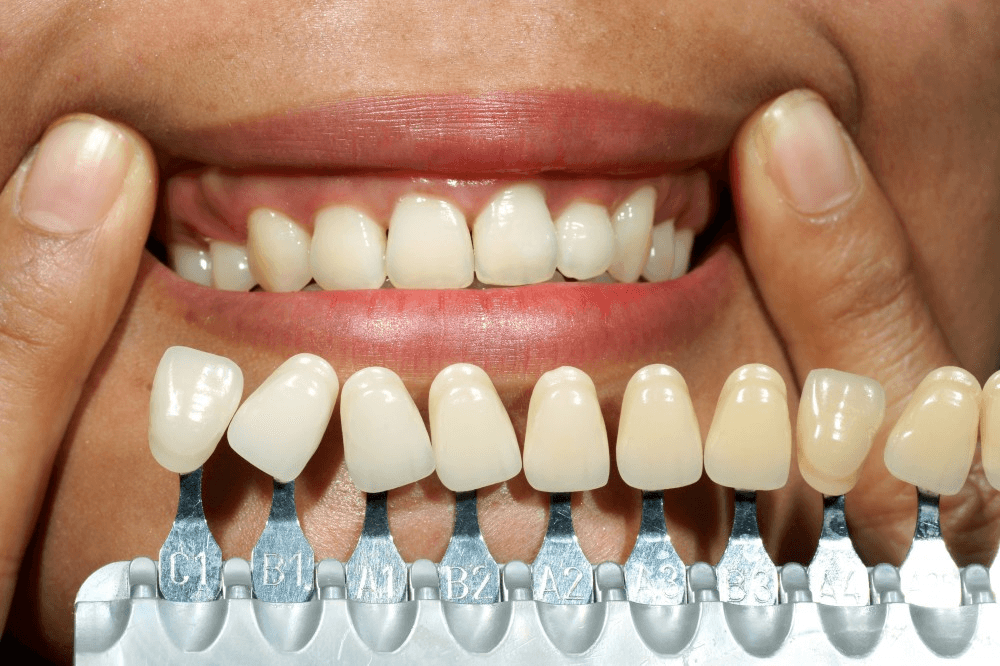
Dental bonding involves using a tooth-colored resin material to repair or enhance the appearance of teeth. The main materials used in dental bonding include:1. Composite Resin A tooth-colored (shade-matched) material composed of a mixture of plastic and fine glass particles. It is applied in layers and then shaped and polished to blend with the natural tooth.2. Dental Adhesives Specialized bonding agents that chemically and mechanically bond the composite resin to the tooth structure (enamel and dentin), ensuring a strong and durable attachment.3. Glass Ionomer Cement (GIC) A material that releases fluoride and can be used in certain types of cavities, especially near the gumline or in areas not subject to heavy biting forces. It’s sometimes used alone or as a base under composite.4. Resin-Modified Glass Ionomer Cement (RMGIC) A hybrid material that combines properties of glass ionomer and resin. It offers better strength and aesthetics than traditional glass ionomer and can be used in selected bonding and filling situations.
Disadvantages of Dental Bonding
Although bonding helps many patients achieve excellent results, it does have some limitations. Your dentist will determine whether you would benefit more from crowns, veneers, inlays, onlays, or traditional fillings instead of bonding. Compared with porcelain restorations, dental bonding has the following disadvantages:– Less stain-resistant than porcelain veneers or crowns – Not as strong or durable as porcelain, especially on biting edges or back teeth – More prone to chipping or breaking under heavy biting or nail-biting habits – May require touch-ups or replacement after several years – Aesthetic result can be slightly less lifelike than high-quality porcelain in complex cases
How Long Does Dental Bonding Last?
The lifespan of dental bonding can vary depending on several factors, including the materials used, the location of the bonded area, the patient’s oral hygiene habits, and individual wear and tear. In general:– Bonding typically lasts about 3–10 years. – Bonding on front teeth (incisors) or edges used for biting may wear or chip faster. – Good oral hygiene and avoiding habits like biting on hard objects can prolong the life of the bonding. – Regular dental check-ups allow your dentist to monitor the bonded areas and perform touch-ups when needed.
Tips for Taking Care of Dental Bonding
Good habits can help maintain the appearance and longevity of your dental bonding. Try these tips to protect your bonded teeth:– Maintain excellent oral hygiene: Brush twice a day with a soft-bristled toothbrush and fluoride toothpaste, and floss daily. – Avoid biting hard objects: Don’t chew ice, pens, or hard candies, and avoid using your teeth as tools. – Limit staining foods and drinks: Coffee, tea, red wine, and tobacco can stain bonding more easily than natural enamel. – Wear a mouthguard: If you grind your teeth (bruxism) or play contact sports, use a custom mouthguard to protect your teeth and bonding. – Visit your dentist: Schedule regular check-ups and professional cleanings and polishing to keep bonded areas smooth and glossy.
Dental Bonding in Jeddah
Dr. Abeer offers dental bonding services in Jeddah, providing a simple and effective solution for repairing chipped, cracked, or discolored teeth. Using a quick, virtually painless procedure, Dr. Abeer applies a tooth-colored resin to enhance the appearance of your teeth so it blends seamlessly with your natural smile.If you’re looking for a straightforward way to improve your smile, Dr. Abeer provides professional dental bonding treatment. Book an appointment today to find out how this procedure can work for you.