Malocclusion and How It’s Treated
Table of Contents
Malocclusion is one of the most common problems patients face when seeking orthodontic treatment. Beyond bite issues and aesthetics, untreated malocclusion can lead to long‑term complications such as jaw pain and even speech development problems in children.That’s why it’s crucial to identify and treat malocclusion as early as possible. In this article, we’ll walk you through what malocclusion actually is and the main ways it can be treated.
What Is Occlusion?
Dental occlusion refers to the alignment of the teeth and how the upper and lower arches fit together, commonly known as your “bite.” When the teeth are properly aligned, evenly spaced, and straight, they are said to be in normal or ideal occlusion.
What Is Malocclusion?
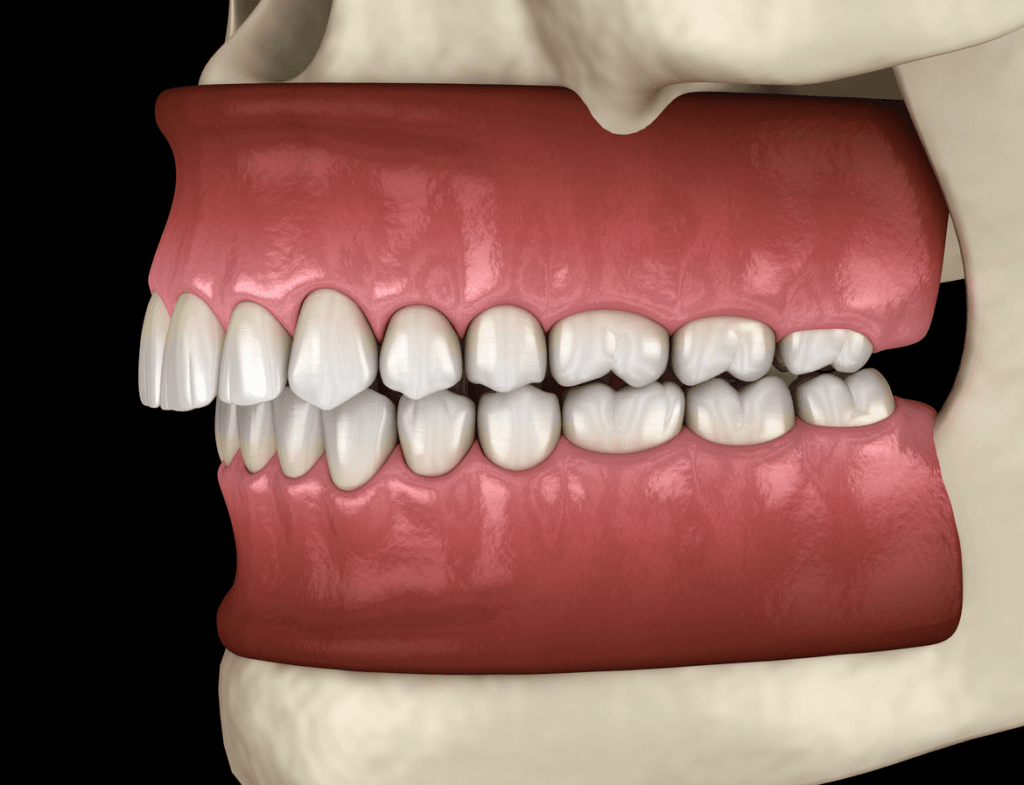
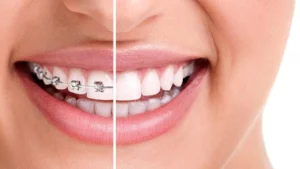
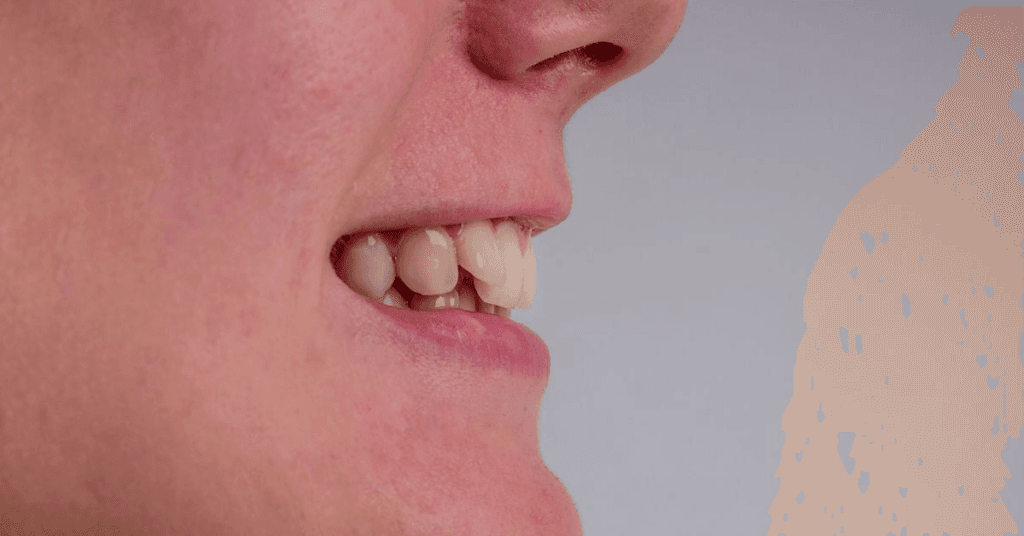
Malocclusion basically means you have a “bad bite.” This doesn’t necessarily mean your teeth are deformed; it simply means that your upper and lower teeth—or your upper and lower jaws—don’t line up the way they should.There are many causes of malocclusion, which we’ll discuss later in this article. This common condition doesn’t only affect your oral health by increasing the risk of tooth decay, cavities, plaque buildup, enamel wear, or gum disease—it can also interfere with clear speech and make chewing food more difficult.
Causes of Malocclusion
A variety of factors can lead to malocclusion. Some of them are preventable, while others are not. Let’s take a look at the main contributing factors and causes of malocclusion:
Signs and Symptoms of Malocclusion
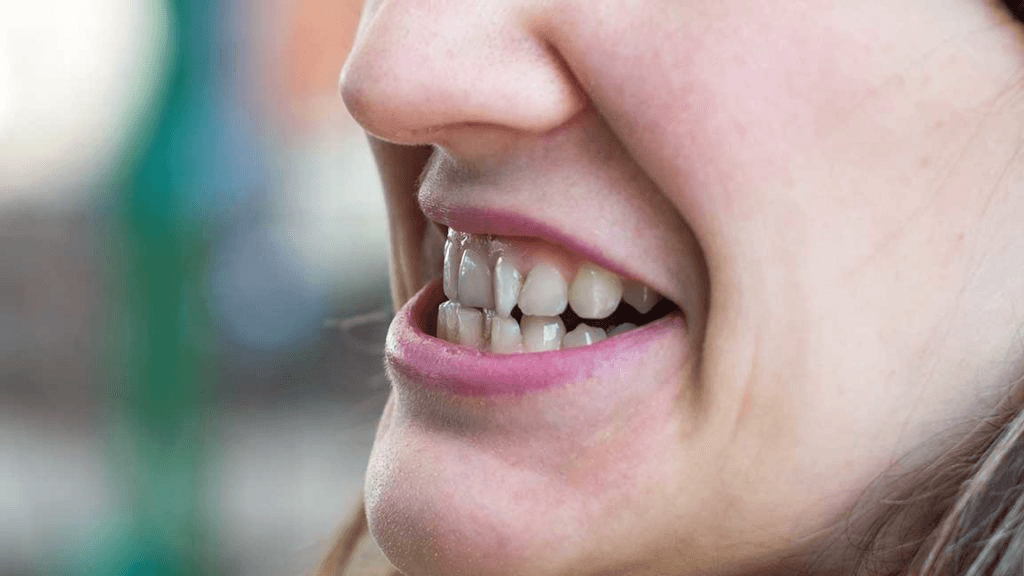
Sometimes malocclusion doesn’t cause obvious or easily noticeable symptoms, which can make it hard for patients to realize there’s a problem. Some of the possible signs and symptoms of malocclusion include:
Complications of Malocclusion
Malocclusion plays a major role in the development of certain oral and general health problems. Some of the potential complications and negative effects of malocclusion include:
How Is Malocclusion Treated?
There are several treatment options available to correct malocclusion. Here are some of the main approaches:
Orthodontic Treatment
Surgical Interventions
Other Corrective Measures
How to Prevent Malocclusion
Because malocclusion can result from a combination of genetic factors and everyday habits, it can be difficult to prevent entirely. However, you can take steps to avoid tooth loss and reduce the impact of habits that may contribute to malocclusion, including: