
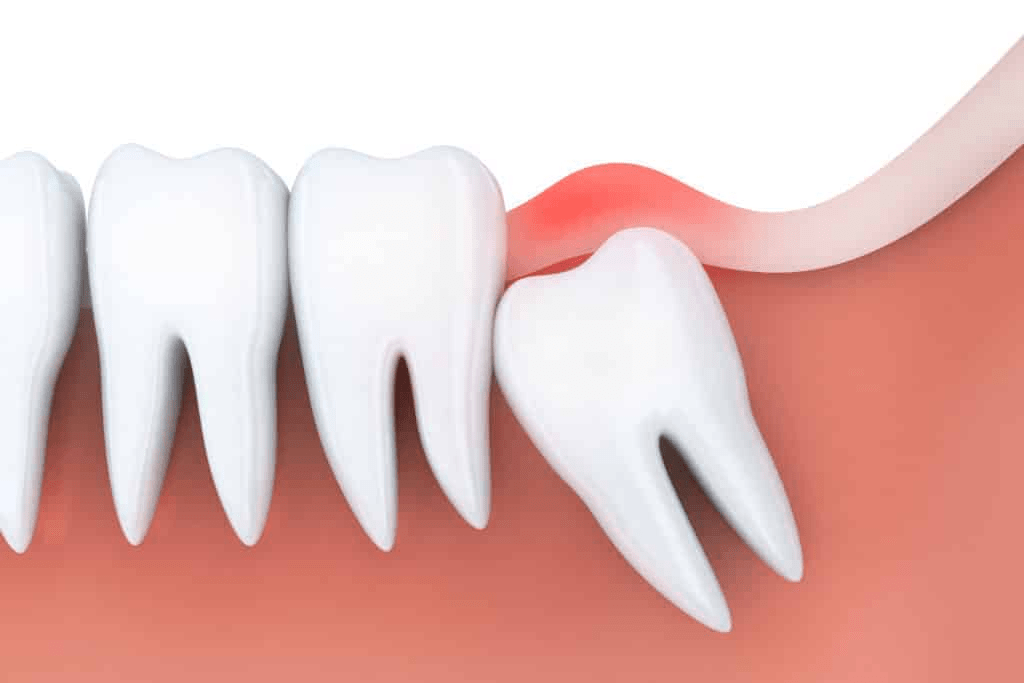
Wisdom Tooth Infection
Table of Contents
A wisdom tooth infection occurs when the wisdom teeth, also known as third molars, become impacted or only partially erupt, leading to inflammation or infection of the surrounding gum tissue. Wisdom teeth usually begin to appear in the late teenage years or early adulthood, and their position at the very back of the mouth makes them more prone to various dental problems.If you want to avoid the pain caused by a wisdom tooth infection and learn more about its causes, symptoms, and treatment, keep reading.
What Is a Wisdom Tooth Infection?
When a wisdom tooth starts to erupt but doesn’t come fully through the jawbone and gum, it can leave a small opening that easily becomes a breeding ground for bacteria. Because the mouth is a moist environment, this can lead to a wisdom tooth infection that may be difficult to treat. Even if the tooth erupts in a proper position and does not affect other teeth, it can still cause problems.This is mainly due to its location at the back of the mouth. It can be harder to reach with a toothbrush, and food particles can get trapped around it, attracting bacteria and leading to infection. As bacteria build up in that area, they can damage the enamel of the wisdom tooth and eventually cause an infection in the tooth itself.
How Is a Wisdom Tooth Treated?

A wisdom tooth infection will not go away on its own. It’s essential to treat it promptly to prevent it from getting worse. The type of treatment depends on how severe the infection is. Treatment options may include:
Oral Hygiene Measures
If the wisdom tooth infection is limited to a small area and has not spread, thorough cleaning of the wisdom tooth and the surrounding gum tissue, along with the use of a mouthwash, may be sufficient. The dentist may also recommend an antibacterial (antimicrobial) mouth rinse to help clear the infection.
Antibiotics
If you are experiencing pain in your cheek, jaw, and teeth, your dentist may treat the infection with antibiotics. Penicillin is commonly prescribed if you are not allergic to it. Pain relievers may also be prescribed to help manage discomfort.
Extraction (Removing the Wisdom Tooth)
If pain and inflammation are severe, the dentist may remove the wisdom tooth, especially in cases of advanced decay accompanied by signs of infection such as pain, swelling, and fever. If the infected wisdom tooth is impacted (trapped under the gum or bone), extraction is also usually recommended.
Dental Filling
If tooth decay in the wisdom tooth is detected early, the dentist will treat it by removing the decayed portion of the tooth using a dental drill. After the decayed area is removed, the tooth is restored with a dental filling material such as dental cement or a tooth-colored composite resin.
Root Canal Treatment
If there is extensive decay in the third molar and the pulp (the nerve and soft tissue inside the tooth) is infected, the dentist may opt for root canal therapy. The infected pulp is removed and the root canals are cleaned and sealed in order to save the tooth. A dental crown may also be recommended to restore the tooth’s strength and function.
Types of Wisdom Tooth Problems
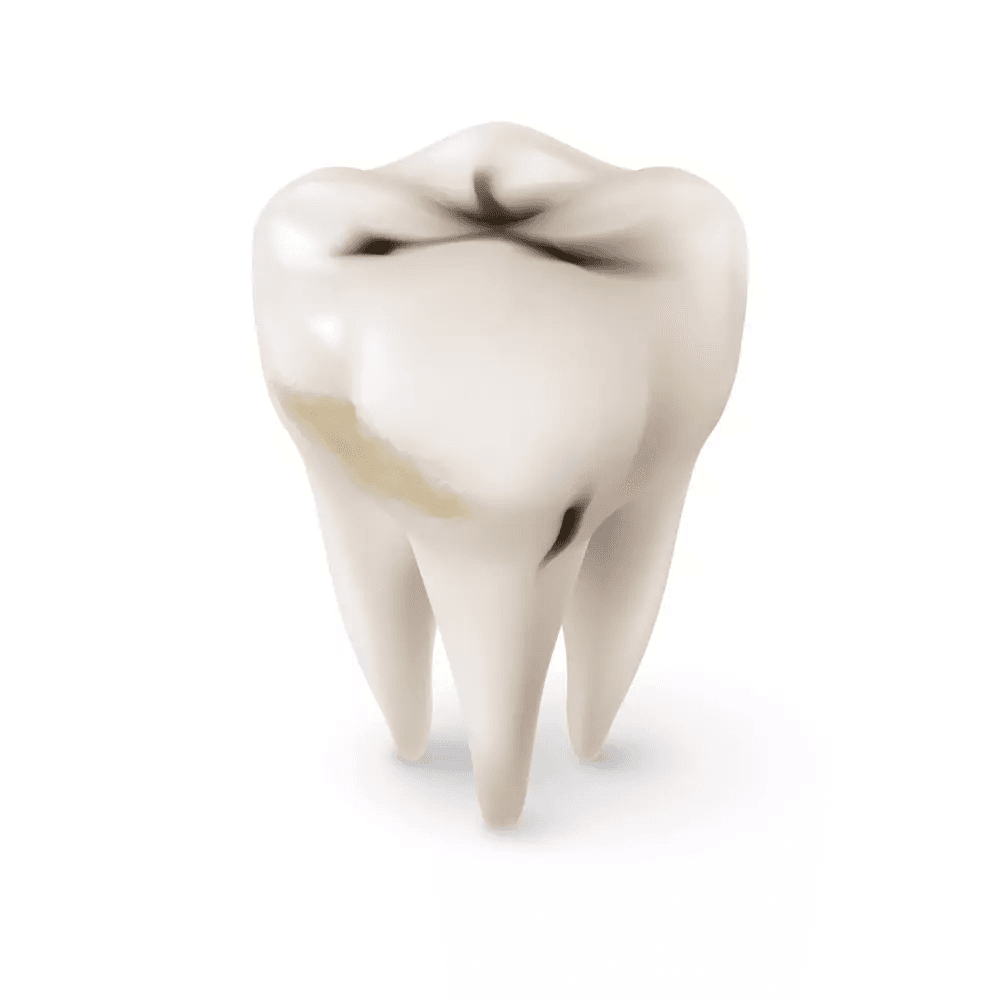
Wisdom teeth, or third molars, often cause problems because they erupt later than other teeth and there may not be enough space in the mouth to accommodate them. Some of the common issues associated with wisdom teeth include:
How Can a Wisdom Tooth Affect Other Teeth?
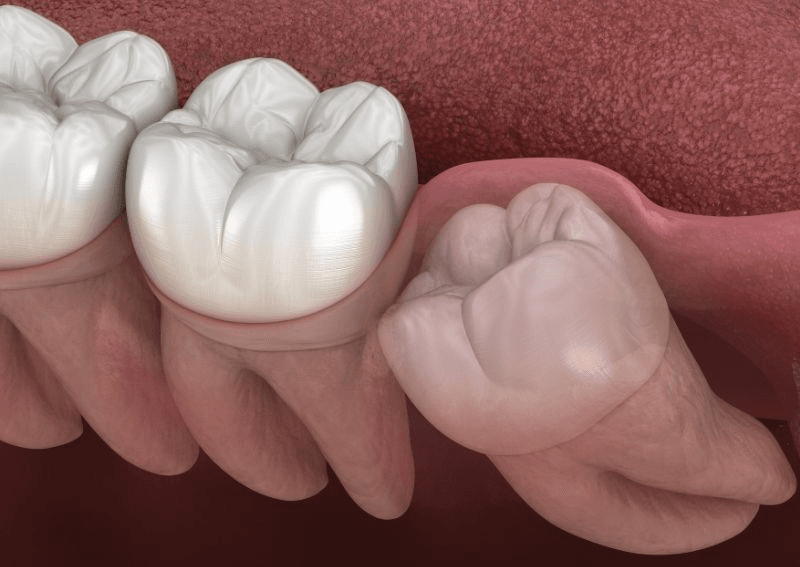
Wisdom teeth can have an impact on neighboring teeth. Here are some ways in which wisdom teeth can affect adjacent teeth:
Side Effects of Wisdom Teeth
A wisdom tooth infection can lead to a wide range of complications. The most common complications include:
Causes of Wisdom Tooth Problems
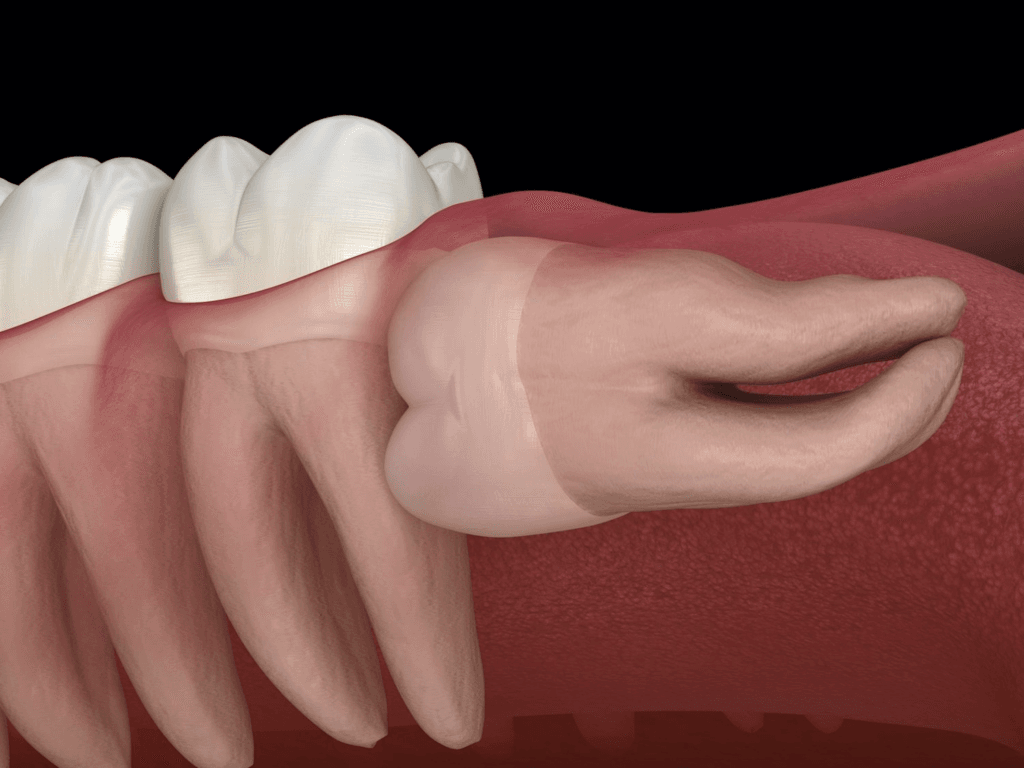
Wisdom tooth problems can arise from several factors, mainly related to the delayed eruption of these third molars and the limited space available in the mouth. Some common causes of wisdom tooth problems include:
How to Prevent Wisdom Tooth Problems

You cannot completely prevent problems with wisdom teeth, but there are steps you can take to reduce the risk of a wisdom tooth infection. These include:– Scheduling regular dental checkups and professional cleanings.