What Are the Best Teeth Whitening Methods?
Table of Contents
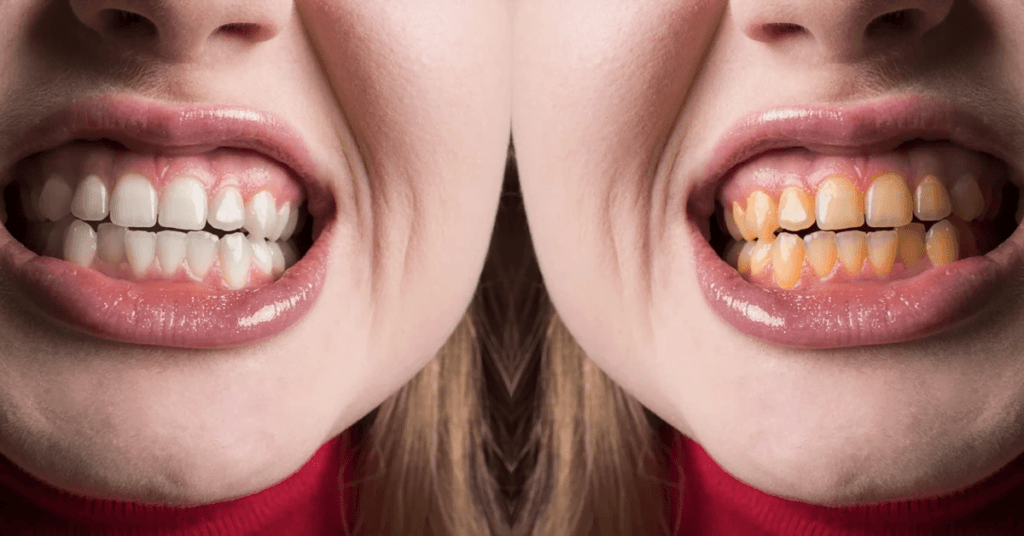
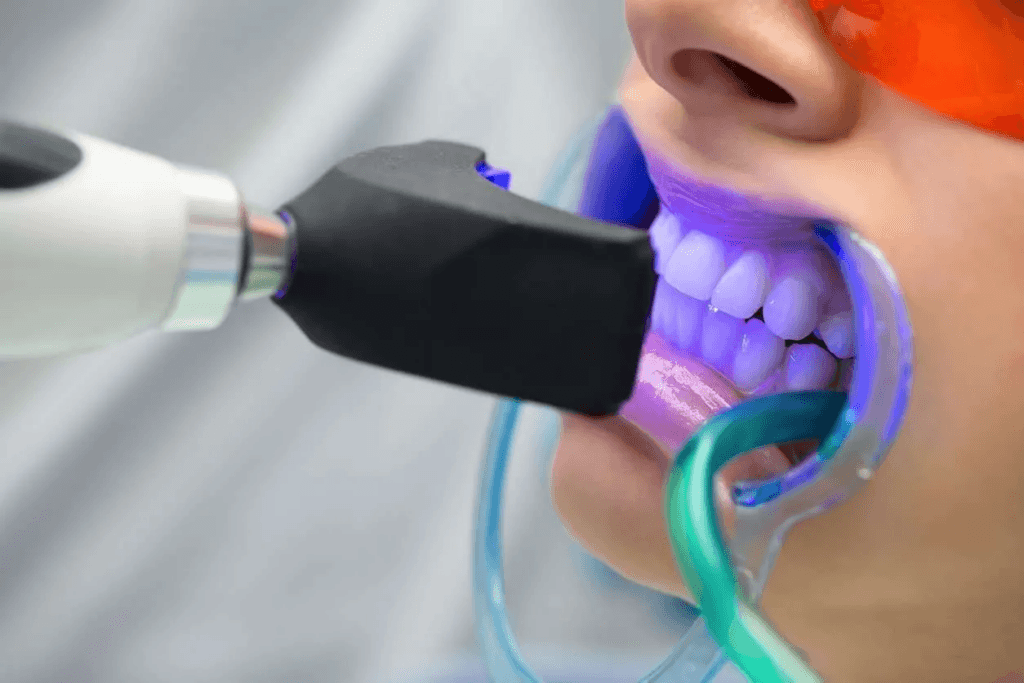
Teeth whitening is a treatment that helps transform discolored or stained teeth into bright, dazzling white teeth. This is done using whitening techniques that combine an LED light system with high‑quality bleaching products to activate the breakdown of the whitening gel. This process helps lift deep stains and restore a naturally bright, white appearance. The treatment brings teeth back to a pearly, glossy white shade and helps patients regain confidence in their smile.
What Is Teeth Whitening?
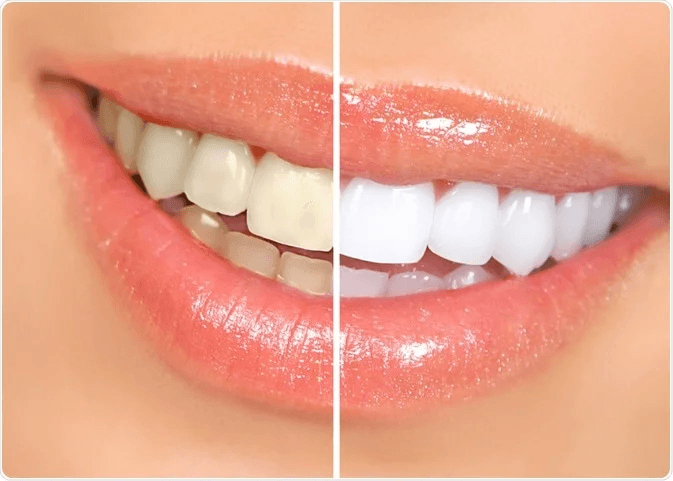
Teeth whitening is a cosmetic dental procedure designed to lighten the color of the teeth and remove stains and discoloration. It is one of the most common aesthetic treatments in dentistry.Whitening works best on external, surface stains. To maintain a brighter shade, the procedure usually needs to be repeated from time to time, as it is not a one‑time, permanent treatment.Certain habits can shorten the lifespan of teeth whitening results. Smoking, as well as frequently consuming foods and drinks with strong pigments, can significantly speed up the fading process.If these harmful habits are avoided and the dentist’s aftercare instructions are followed, you may not need another whitening session for about six to twelve months.
When Should You Whiten Your Teeth?
Teeth whitening is an elective cosmetic procedure that is usually performed to improve the appearance of stained or discolored teeth. People often choose to whiten their teeth in situations such as:– Having yellowing or darkening of the teeth with age – Stains caused by coffee, tea, red wine, or smoking – Special occasions (such as weddings, graduations, job interviews, or public appearances) – Wanting a more uniform shade after orthodontic treatment or other dental workYour dentist can help determine if you are a good candidate for whitening based on your oral health, existing restorations (such as fillings, crowns, or veneers), and the type of discoloration you have.
Side Effects of Teeth Whitening
Teeth whitening can significantly enhance your smile, but it is important to be aware of possible side effects, which may include:– Tooth sensitivity, especially to cold or hot food and drinks – Gum irritation or burning if the whitening agent comes into contact with the soft tissues – Temporary discomfort in the teeth or gums during or after treatment – Uneven results if you have fillings, crowns, or veneers, as these do not change color – Overuse of whitening products, which can weaken enamel if used incorrectly or too frequentlyMost side effects are temporary and can be minimized under the supervision of a dental professional.
Types of Teeth Whitening
Teeth whitening is available in several forms, each with its own advantages and disadvantages. The main types include:
In‑Office Teeth Whitening
This is performed by a dentist in the dental clinic using professional‑grade bleaching agents, often combined with a special light or laser to accelerate the process. In‑office whitening:– Offers fast, noticeable results, often in a single visit – Is closely monitored for safety and effectiveness – Is usually more expensive than other methods
At‑Home Whitening Kits from the Dentist
These are custom or professional kits provided by a dentist for use at home. They typically include custom‑made trays and a whitening gel with a controlled concentration. They:– Provide gradual whitening over days or weeks – Allow treatment at home with professional supervision – Usually cost less than in‑office treatment but more than over‑the‑counter products
Over‑the‑Counter Whitening Products
These include whitening strips, gels, pens, and whitening toothpastes that can be purchased without a prescription. They:– Are more affordable and widely accessible – Offer milder results compared to professional treatments – Require consistent use over a period of time to see improvement
Natural or Home Remedies
Some people try “natural” methods such as baking soda, oil pulling, or using certain fruits. However:– The evidence for their effectiveness is limited – Some methods (like acidic fruits or aggressive scrubbing) can damage tooth enamel and gums – They should not replace professional dental advice or treatment
How Long Does Teeth Whitening Last?
The duration of whitening results varies depending on several factors, including:– Your diet (intake of coffee, tea, colored soft drinks, red wine, etc.) – Smoking or using other tobacco products – Your natural tooth shade and type of discoloration – The type and strength of whitening method used – How well you follow oral hygiene and aftercare instructionsOn average, results can last from a few months up to about a year or more, especially if you avoid staining products and maintain regular dental cleanings.
At‑Home Teeth Whitening
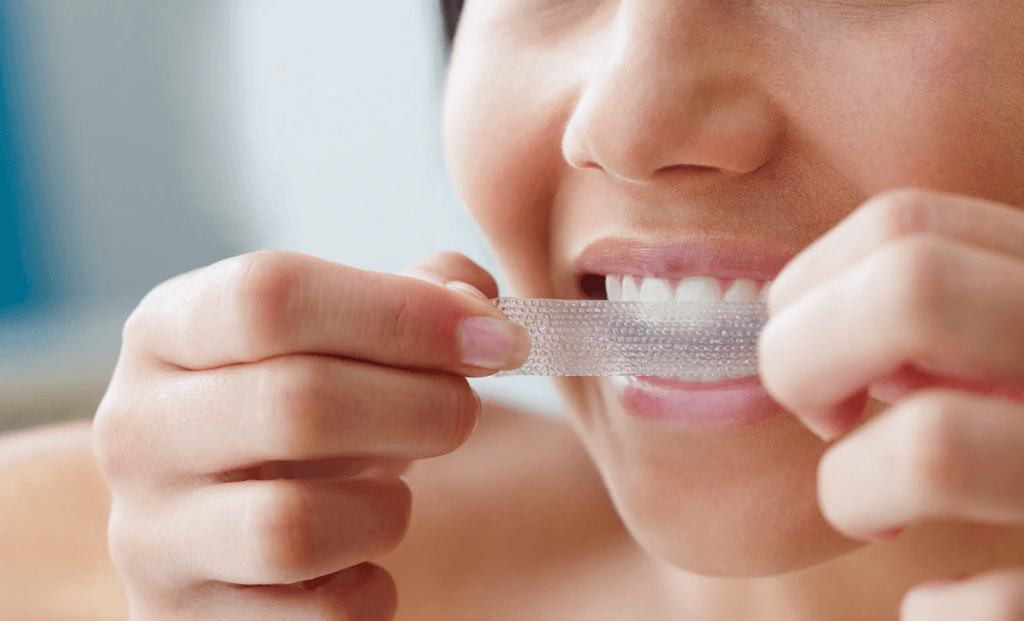
At‑home teeth whitening offers a convenient and often more affordable way to brighten your smile. Common options include:– Dentist‑provided take‑home trays with whitening gel – Whitening strips applied directly to the teeth for a set time each day – Whitening pens or brushes used to apply gel onto the teeth – Whitening toothpastes that help remove surface stains (but do not dramatically change tooth color)For best results and to avoid complications, it is recommended to consult a dentist before starting any at‑home whitening regimen.
Age Groups Eligible for Teeth Whitening
Teeth whitening can be a good option to enhance the appearance of a smile, but age‑related considerations are important. Common guidelines include:1. Children and Teenagers (Under 18 Years) – Whitening is generally not recommended for young children. – For teenagers, whitening may be considered only in specific cases and under strict dental supervision, as teeth and gums are still developing.2. Young Adults (18–24 Years) – Whitening can be performed, but dentists often recommend a conservative approach. – It is important to evaluate the cause of discoloration and ensure healthy enamel before starting treatment.3. Adults (25 Years and Older) – Most adults are potential candidates for teeth whitening if they have good oral health. – A dental examination is essential to check for cavities, gum disease, or existing restorations before proceeding with any whitening procedure.