
Tooth Sensitivity to Hot and Cold
Table of Contents
Teeth can become sensitive to heat or cold for several reasons. If you’re experiencing symptoms, it’s always best to visit a dentist to find out what’s causing your tooth sensitivity. In all cases, heat or cold sensitivity involves stimulation of the nerve inside the tooth’s pulp.
If the pulp of the tooth becomes inflamed, the pain can be constant, often due to tooth decay or a cracked tooth. Both conditions inflame the pulp and make the tooth “irritable” or “on edge.”
However, sometimes the nerve itself is not inflamed, yet you still feel sensitivity. This is called dentin hypersensitivity, and it occurs when the dentin—the layer of tooth structure beneath the enamel—becomes exposed.
What Is Tooth Sensitivity?

Beneath the enamel lies another tooth tissue called dentin. Dentin contains microscopic tubules. When enamel starts to wear away or the gums recede, the dentin becomes exposed.
Tooth sensitivity happens when stimuli reach the cells inside these tubules, causing a sharp, sudden pain when the area is exposed to hot or cold temperatures from foods, drinks, or even air.
Another cause of tooth sensitivity is small cracks in the enamel. Large temperature changes cause the tooth to expand and contract, and over time this can create tiny fractures in the enamel. Hot or cold temperatures can then travel through these cracks and reach the nerves underneath the enamel.
Cavities can also be a cause. Sensitivity to hot or cold foods is often an early warning sign that decay is developing. In addition, dental fillings placed to treat cavities can become loose or fall out, which may lead to increased sensitivity at the site of the original decay.
Causes of Tooth Sensitivity
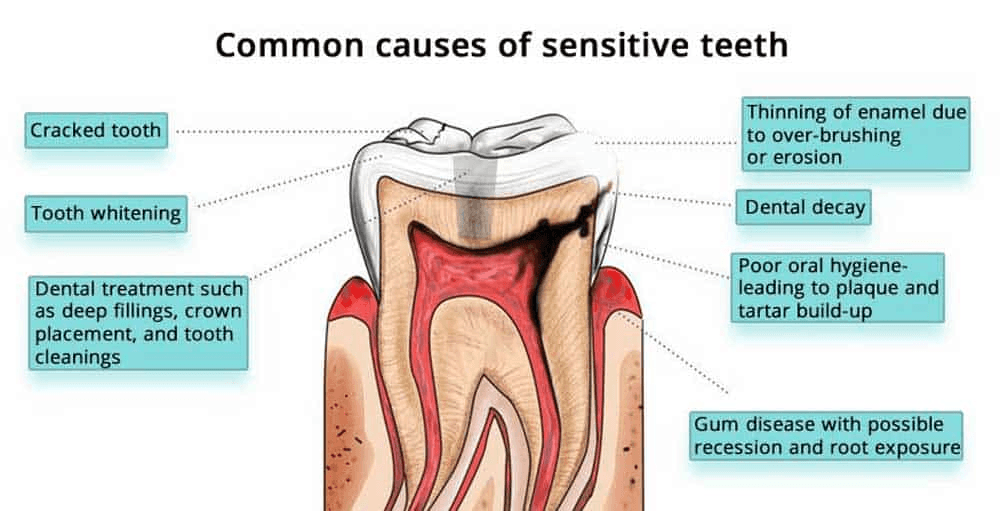
Just as there are different types of tooth sensitivity, there are also different underlying causes. Some of the most common include:
Symptoms of Tooth Sensitivity

The type of tooth sensitivity you experience can reveal a lot about your oral health. Not all tooth sensitivity symptoms come from the same problem.
As you monitor your symptoms, pay attention to where in your mouth the pain is coming from, when the sensitivity is at its worst, and how long it lasts. The most common patterns of tooth sensitivity to watch for are those that occur in response to:
How Is Tooth Sensitivity Treated?
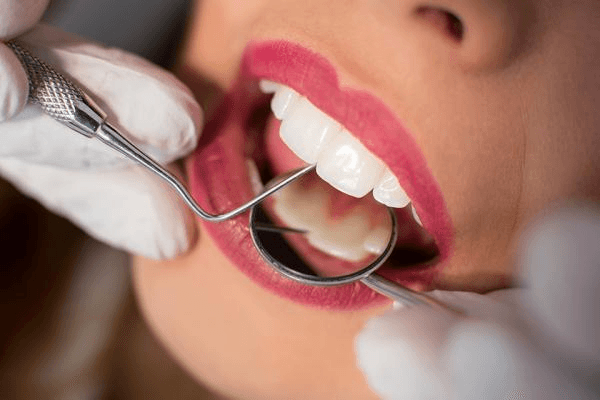
Treatment begins with a thorough examination to determine the cause of your sensitivity. This usually includes dental X‑rays to evaluate the health of the parts of the tooth you can’t see, such as the dentin, pulp, and root.
Dr. Amir Al‑Zahrawi will also examine your gums for signs of gum disease and check for tartar buildup at and below the gumline.
You will be asked about your diet and your oral hygiene habits. Since teeth grinding (bruxism) is usually an involuntary action that happens during sleep, Dr. Amir may also ask about morning headaches, jaw pain, and any other symptoms that might suggest nighttime grinding.
Once the underlying cause of your sensitivity is identified, treatment may include:
How to Prevent Tooth Sensitivity
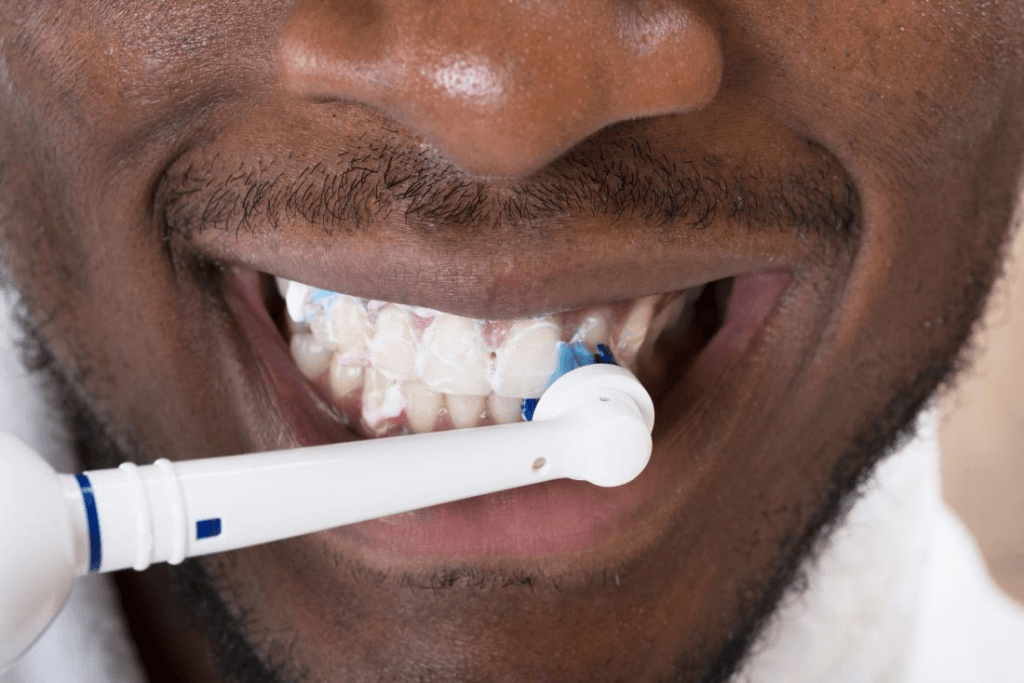
Tooth sensitivity, or dentin hypersensitivity, is bothersome and is often the result of exposed dentin, gum recession, or enamel erosion. Here are several ways to help prevent it:
Does Tooth Sensitivity Cause Headaches?

Tooth sensitivity on its own does not directly cause headaches, but there can be an indirect connection. Consider the following points: