
Mercury Fillings
Table of Contents
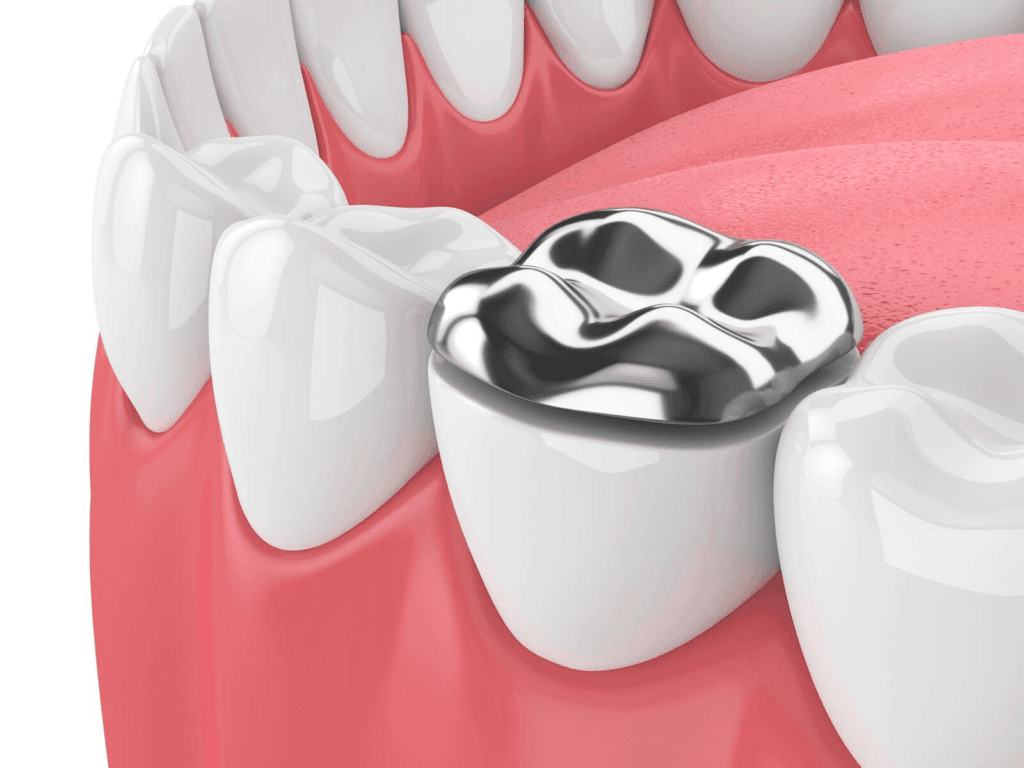
Mercury fillings, also known as dental amalgam fillings, have been used in dentistry for more than 150 years. These restorations are made from a mixture of metals and typically contain about 50% elemental mercury combined with silver, tin, and copper. They are well known for their strength and durability, which has made them a common choice for restoring teeth damaged by decay.Despite their widespread use, mercury fillings have been the subject of ongoing debate because of concerns about potential health risks related to mercury exposure. Some people worry about the release of mercury vapor from these fillings, especially during placement and removal, and the possible impact this may have on overall health.For this reason, choosing a filling material is a decision that should be made in consultation with a dentist, taking into account both health factors and personal preferences. Dentists such as Dr. Amir Al-Zahrawi are best suited to guide patients toward the options that are most appropriate for their individual needs and concerns.
What Is an Amalgam Filling?
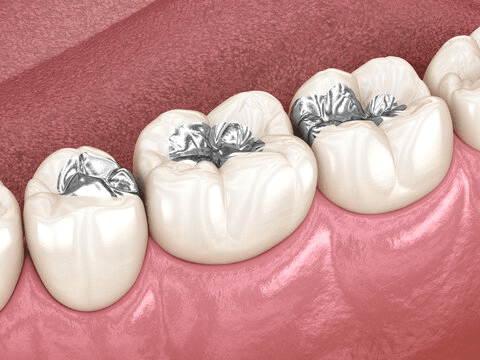
An amalgam filling is a dental restorative material that has been used in dentistry for over a century. It is a mixture of different metals, with the main components typically being silver, tin, copper, and about 50% elemental mercury. This blend creates a strong, durable, and relatively low-cost filling material that has long been used to restore teeth affected by dental caries, wear, or structural damage.
When Are Mercury Fillings Used?
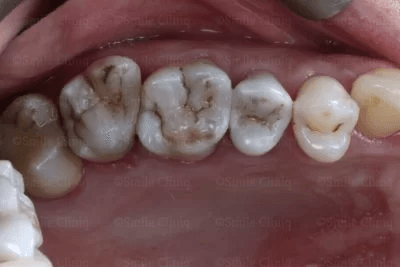
Mercury (amalgam) fillings are commonly used in a variety of situations, including:– Restoring moderate to large cavities, especially in back teeth (molars and premolars) that bear heavy chewing forces. – Treating decayed teeth where moisture control is difficult and other materials may not bond as reliably. – Restoring teeth in patients who need a cost-effective, long-lasting solution.
Reasons for Choosing a Mercury Filling Over Other Materials
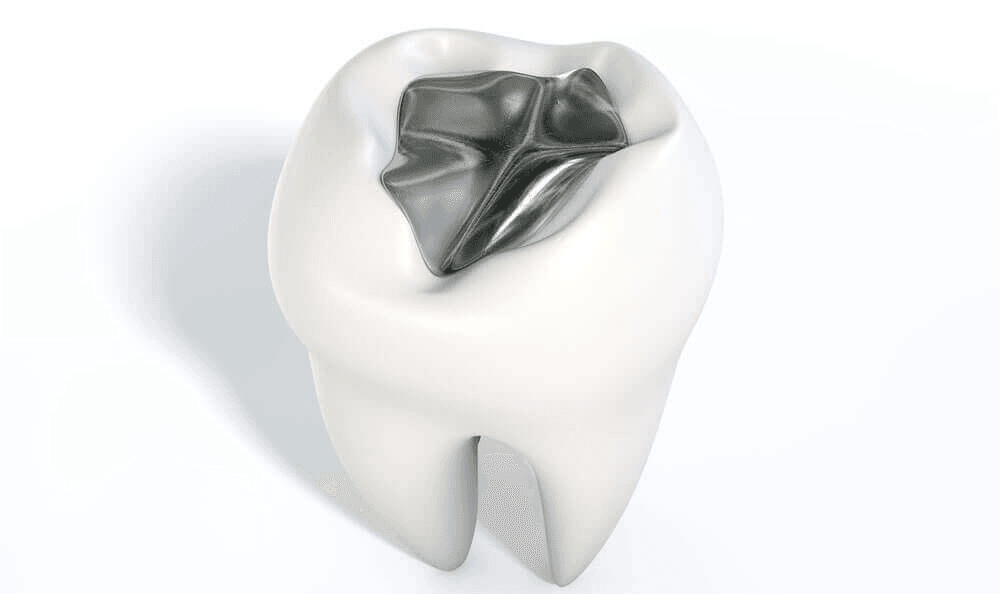
Some of the main reasons for using mercury (amalgam) fillings instead of other types of fillings include:
1. Durability and Longevity
Amalgam fillings are highly resistant to wear and can withstand strong biting and chewing forces, which makes them particularly suitable for back teeth. They often last many years, and in some cases decades, if properly maintained.
2. Cost-Effectiveness
Compared to many tooth-colored materials, amalgam is generally less expensive. This makes it a practical option for patients looking for an effective yet budget-friendly restorative treatment.
3. Ease of Placement
Amalgam is relatively straightforward for dentists to place. It is less sensitive to moisture than some other materials, which can be an advantage in areas of the mouth where keeping the tooth completely dry is challenging.
4. Suitable for Large Cavities
Because of its strength, amalgam is often considered appropriate for larger cavities where other materials might not provide the same level of structural support or might be more prone to fracture.
5. Accessibility
Amalgam has been used for many years, is widely available, and most dentists are highly experienced in its use, which can make access to this treatment option easier for many patients.
Benefits of Using Mercury Fillings
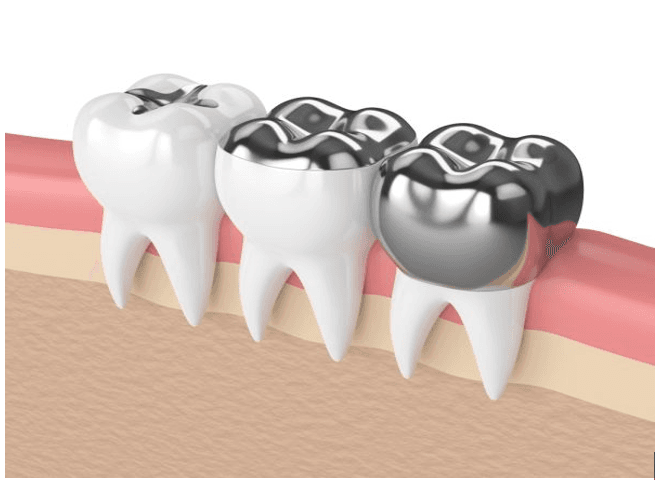
Key benefits of mercury (amalgam) fillings include:1. Strength and Durability: Amalgam fillings are robust and resistant to wear, making them suitable for teeth exposed to heavy chewing pressure.2. Fast Setting Time: Amalgam hardens relatively quickly, allowing the tooth to return to normal function in a short time after placement.3. Cost-Effectiveness: They are generally more affordable than many composite or ceramic alternatives while still providing reliable performance.4. Versatility: Amalgam can be used in various clinical situations, particularly where moisture control is difficult or where large cavities need to be restored.5. Reduced Risk of Restoration Fracture: Due to its mechanical strength, amalgam itself is less likely to chip or break compared to some other materials, especially in high-stress areas.
Risks of Using Mercury Fillings
Some of the most important risks associated with mercury (amalgam) fillings include:
1. Mercury Exposure
Amalgam fillings can release small amounts of mercury vapor, particularly during placement, polishing, or removal. While many regulatory bodies consider standard use safe for the general population, some individuals and practitioners remain concerned about potential systemic health effects, especially in sensitive groups.
2. Environmental Impact
Improper disposal of amalgam waste can contribute to environmental mercury contamination. Because of this, many dental offices use special separators and follow strict protocols to minimize environmental release.
3. Allergic Reactions
A small percentage of patients may experience allergic or hypersensitivity reactions to mercury or other metals in amalgam, such as skin rashes or oral mucosal changes.
4. Tooth Cracks and Fractures
Over time, the expansion and contraction of amalgam under temperature changes, combined with chewing forces, may contribute to the development of cracks or fractures in the surrounding tooth structure in some cases.
Side Effects of Mercury Fillings
Some of the main potential side effects associated with mercury (amalgam) fillings include:
1. Mercury Toxicity
There is ongoing discussion about the possibility of low-level chronic mercury exposure contributing to systemic symptoms in susceptible individuals. Although scientific opinions vary, this concern leads some patients to prefer mercury-free alternatives.
2. Oral Health Concerns
If a filling deteriorates, leaks, or if decay develops around it, this can compromise the tooth and surrounding tissues. Old or failing amalgam fillings may contribute to tooth sensitivity, recurrent caries, or structural weakening of the tooth if not monitored and treated when needed.
3. Aesthetic Concerns
Amalgam fillings are silver-gray and do not match the natural color of teeth. For patients who are concerned about appearance—especially when fillings are visible while talking or smiling—this can be a significant drawback compared with tooth-colored composite or ceramic options.
How Long Do Mercury Fillings Last?
The lifespan of mercury (amalgam) fillings can vary depending on several factors, including oral hygiene habits, chewing patterns, the size of the filling, and its location in the mouth. On average, amalgam fillings can last between 10 and 15 years or even longer. However, over time, wear, recurrent decay, and changes in the tooth structure can affect the integrity of the filling and make replacement necessary.Regular dental checkups are essential to monitor the condition of amalgam fillings and determine whether maintenance or replacement is needed. Dentists may recommend replacing amalgam fillings if there are signs of deterioration, such as cracks, marginal leakage, or decay around the restoration.Discussing any concerns about mercury exposure and considering alternative filling materials with your dentist can help you make informed decisions about dental restorations that align with your health priorities and cosmetic preferences.
Mercury Filling Placement in Jeddah

Dr. Abeer provides mercury (amalgam) filling services in Jeddah, using well-established techniques to effectively treat dental decay. With years of experience, Dr. Abeer works to ensure that the procedure is straightforward and as comfortable as possible for patients.The clinic adheres to high standards of care, focusing on durability and function to achieve long-lasting results. If you require amalgam fillings, Dr. Abeer offers professional, reliable treatment to help restore your dental health. Schedule an appointment today for practical, trustworthy care.