Dental Fillings and Their Types
Table of Contents
Dental fillings are among the most common dental procedures used to treat tooth decay, restore damaged teeth, and prevent further deterioration. The procedure involves filling the empty space left in the tooth after removing decayed or damaged tissue, helping to restore the tooth’s structure and function. There are several types of dental fillings, each with its own unique properties and advantages.Dental fillings play a critical role in maintaining oral health by restoring teeth that have been damaged by decay or trauma. The choice of filling material depends on factors such as the location of the filling, cosmetic preferences, durability requirements, and budget considerations. Consulting with a dentist can help determine the most appropriate type of filling for each individual case, ensuring optimal oral health and function.
What Are Dental Fillings?
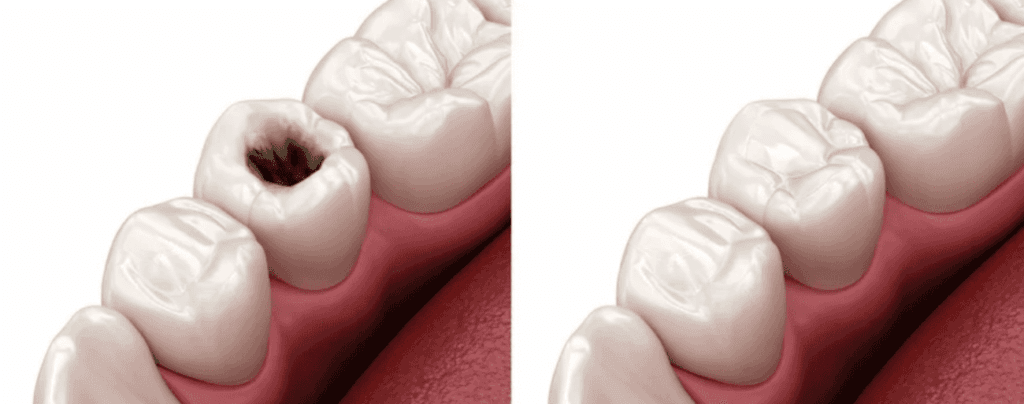
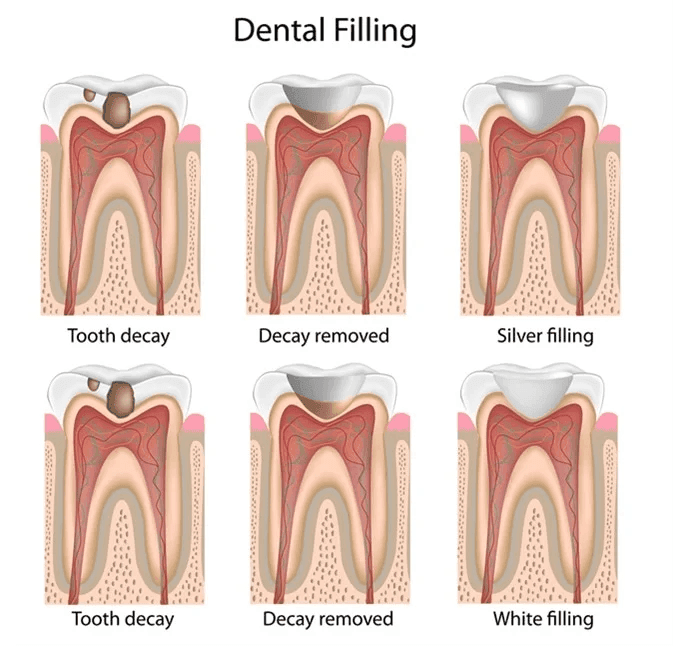
Dental fillings are a common restorative procedure used to repair teeth that have been damaged by decay, wear, or trauma. When a dentist identifies a cavity or an area of tooth damage, they remove the decayed material and fill the resulting space with a filling material. This process helps restore the tooth’s function and prevents further decay. The main purposes of dental fillings include:– Restoring the tooth’s normal shape and function – Preventing the progression of tooth decay – Protecting the tooth from fractures or further damage – Improving chewing efficiency and comfort
Types of Dental Fillings
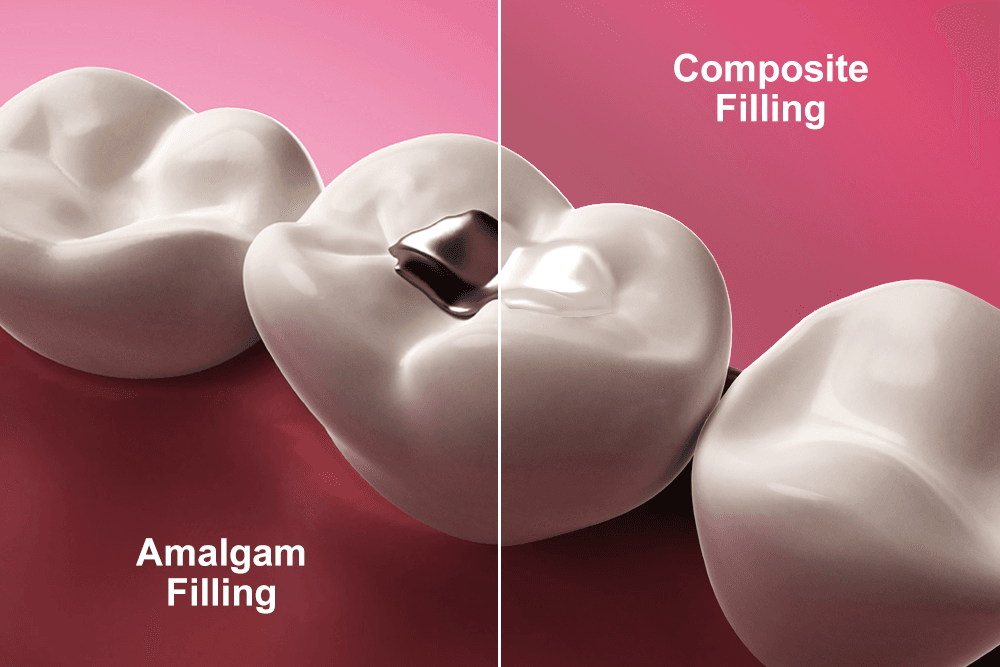
Dental fillings are used to repair teeth that have been affected by decay, erosion, or injury. They help restore the tooth’s shape, function, and structural integrity while preventing additional decay or damage. Fillings can also be used to repair cracked or broken teeth and to improve the appearance of teeth with minor defects.Common types of dental fillings include:1. Amalgam fillings (silver/mercury fillings) 2. Composite fillings (tooth-colored fillings) 3. Ceramic fillings (porcelain fillings) 4. Glass ionomer fillings 5. Gold fillings
The Difference Between Filling Types
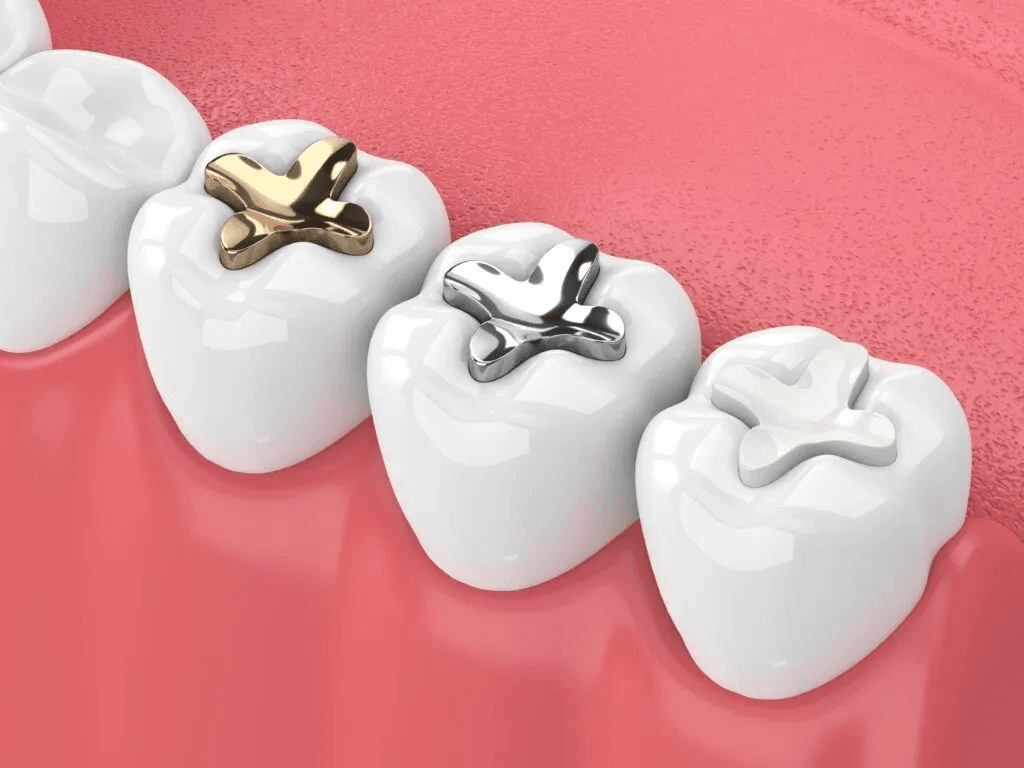
There are several types of dental filling materials, each with its own characteristics, benefits, and drawbacks:1. Amalgam fillings 2. Composite resin fillings 3. Glass ionomer fillings 4. Resin-modified glass ionomer (or resin ionomer) fillings 5. Porcelain (ceramic) fillings 6. Gold fillings
Complications of Dental Fillings
Although dental fillings are generally safe and effective, some complications can occur:1. **Allergic reactions:** Some patients may experience allergic reactions to certain materials, especially metals used in amalgam fillings. Symptoms may include swelling, itching, or skin rash.2. **Tooth sensitivity:** Sensitivity to temperature changes or pressure may occur after a filling, particularly with composite and amalgam fillings. This sensitivity usually decreases over time.3. **Filling failure:** Fillings can crack, wear down, or become loose over time, which may require replacement. Contributing factors include excessive chewing forces, poor oral hygiene, or natural wear of the filling material.4. **Recurrent (secondary) decay:** If the filling material does not completely seal the tooth or if oral hygiene is inadequate, bacteria can infiltrate the margins and cause new decay beneath or around the filling.5. **Tooth fracture:** In some cases, the process of preparing and filling a tooth can leave it weakened, increasing the risk of fractures—especially in teeth that already had extensive decay.6. **Nerve damage:** In rare cases, dental procedures can inadvertently irritate or damage the tooth’s nerve, leading to pain or the need for additional treatment, such as root canal therapy.
Placement of Different Types of Dental Fillings in Jeddah
Dr. Abeer specializes in placing all types of dental fillings in Jeddah. Whether you need a filling to treat tooth decay or to repair a damaged tooth, she uses high‑quality materials to ensure durability and a natural appearance.Patient comfort and smooth recovery are top priorities for Dr. Abeer. She takes the time to explain the procedure, answer any questions, and make sure you feel at ease throughout your visit. If you need reliable dental fillings, her clinic is ready to provide the care you deserve.