
Gingival Tumor Surgery and Excision
Table of Contents
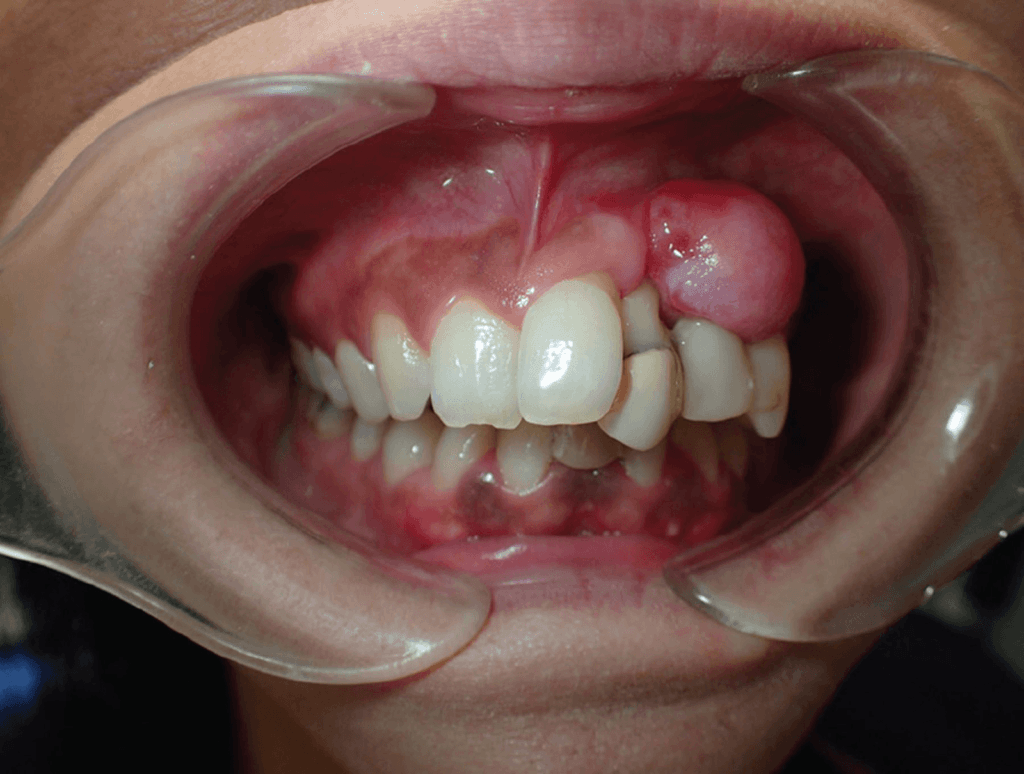
A gingival tumor is an abnormal growth that develops on the gums and can vary widely in nature, size, and its potential impact on oral health. These tumors may be benign (noncancerous) or malignant (cancerous), and their appearance can range from small nodules to larger, more aggressive masses.Gingival tumors require prompt attention and proper diagnosis to ensure appropriate treatment and management. Regular dental checkups and maintaining good oral hygiene are essential for early detection and prevention of possible complications. If you notice any unusual growths or changes in your gums, it is crucial to consult a doctor or dentist.
Causes of Gingival Tumors
A gingival tumor is an abnormal growth on the gums that can arise from multiple factors. Understanding these causes is essential for early detection and proper management. The main causes of gingival tumors include:1. Chronic irritation 2. Dental conditions 3. Genetic predisposition 4. Viral infections 5. Hormonal changes 6. Immune system disorders 7. Environmental factors 8. Poor oral hygiene
Symptoms of Gingival Tumors
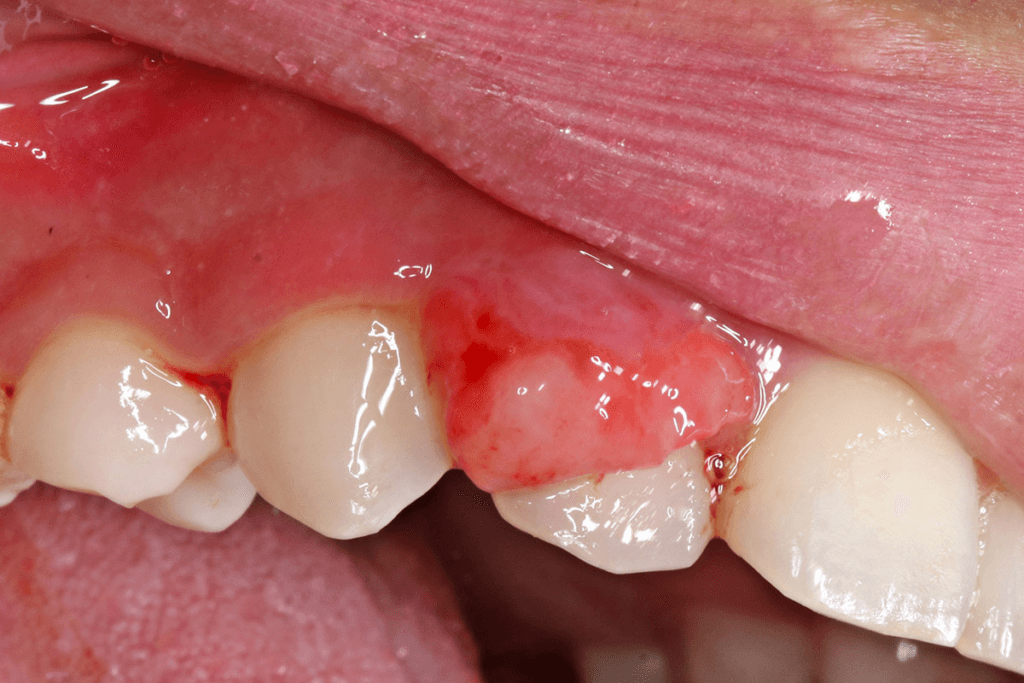
The symptoms of a gingival tumor can differ depending on the type of tumor and how far it has progressed. Common symptoms associated with gingival tumors include:1. Swelling or a lump 2. Color changes in the gums 3. Gum bleeding 4. Pain or discomfort 5. Pus or discharge 6. Changes in the bite 7. Loose teeth 8. Bad breath (halitosis)
Treatment of Gingival Tumors
Treatment for a gingival tumor depends on several factors, including the type of tumor, its size and location, and whether it is benign or malignant. Main treatment options include:1. Surgical excision 2. Laser therapy 3. Radiation therapy 4. Chemotherapy 5. Follow-up and ongoing care
Prevention of Gingival Tumors
Although not all gum tumors can be prevented, there are several ways to significantly reduce the risk of developing them:1. Maintaining good oral hygiene 2. Regular dental checkups 3. Avoiding tobacco products 4. Following a healthy diet 5. Managing hormonal changes 6. Protecting against oral injuries 7. Treating underlying medical conditions
Side Effects of Gingival Tumors
Gingival tumors can lead to various side effects depending on their type, size, and location. Understanding these potential effects is important for effective management and treatment. Common side effects associated with gingival tumors include:1. Pain and discomfort 2. Swelling 3. Bleeding 4. Changes in oral function (such as chewing or speaking) 5. Bad breath 6. Tooth mobility 7. Nerve injury 8. Psychological impact
Can Gum Swelling Cause Cancer?
Gum swelling is not a direct cause of cancer, but it is often a sign of underlying problems that may require attention. While gum swelling itself does not cause cancer, it can be associated with conditions that increase the risk of oral cancer. Chronic inflammation resulting from untreated gum disease may contribute to a higher risk of developing gingival tumors, although the exact relationship is complex and not yet fully understood.
Gingival Tumor Surgery and Excision in Jeddah
Dr. Abeer specializes in gingival tumor surgery and excision in Jeddah, providing safe and effective treatment for patients with gum-related problems. Using precise techniques, she removes tumors while prioritizing your comfort and oral health. Dr. Abeer’s clinic is equipped with modern tools and technology to ensure accurate diagnosis and successful procedures.Whether the tumor is benign or requires more extensive management, she offers personalized care to help you recover quickly and maintain healthy gums. If you have gum abnormalities or need surgery to remove a tumor, Dr. Abeer’s expertise makes her a trusted choice in Jeddah. Schedule a consultation to discuss your condition and treatment options.