
Bone Grafting for Dental Implants
Table of Contents
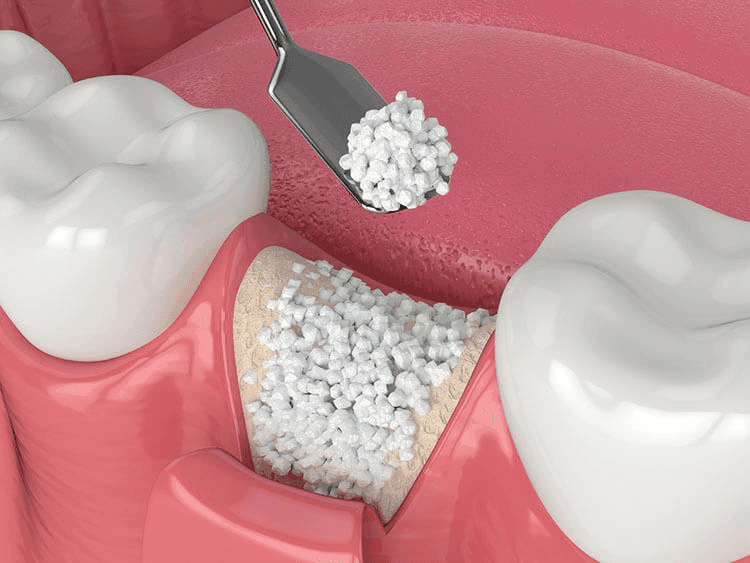
Bone grafting for dental implants is a surgical procedure aimed at restoring the structure and density of the jawbone so it can reliably support dental implants. When a tooth is lost, the underlying bone can gradually deteriorate due to lack of stimulation, making it insufficient to hold an implant.The bone grafting procedure involves placing bone graft material—either from the patient (autograft), a donor (allograft), or synthetic substitutes—to increase bone volume. This not only improves the stability of dental implants, but also enhances the integration of the implant with the jawbone (osseointegration).
What Is Bone Grafting?
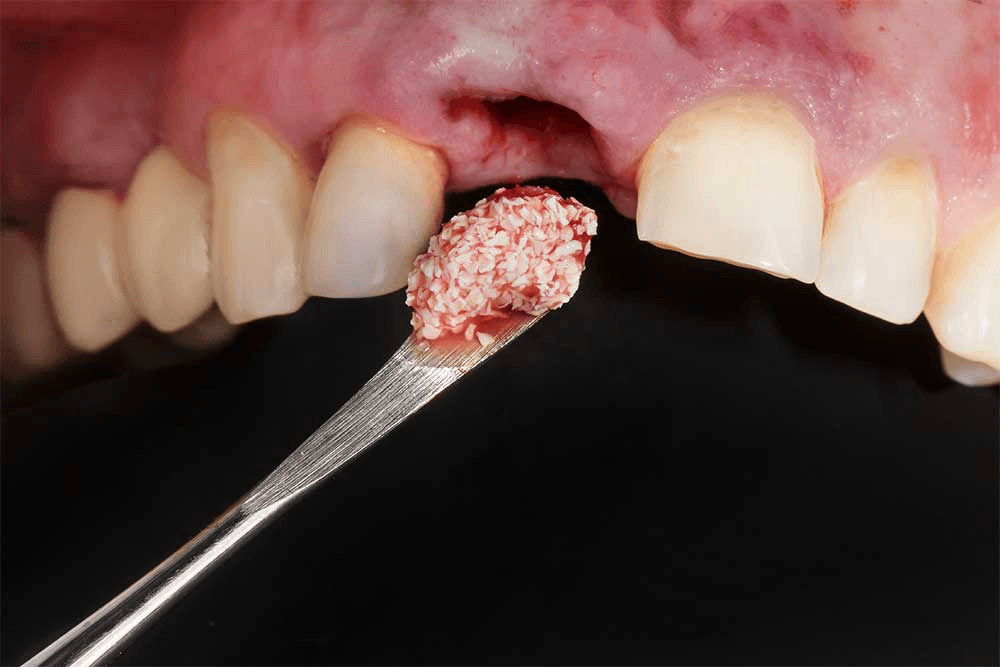
Bone grafting for dental implants is a surgical procedure designed to improve the quantity and quality of bone in the jaw. This is critical for the success of dental implants, since strong, healthy bone is required to anchor the implants securely. The procedure involves placing bone graft material, which may be taken from the patient (autograft), from a donor (allograft), or from synthetic materials (alloplastic grafts).Bone grafting can be classified into several types.The procedure may also involve different techniques, including socket preservation (performed after tooth extraction) and sinus lift or sinus augmentation (to increase bone height in the upper jaw to allow implant placement).
Reasons for Bone Grafting
Some of the main reasons for performing bone grafting prior to dental implant placement include:
How Is Bone Grafting Done?
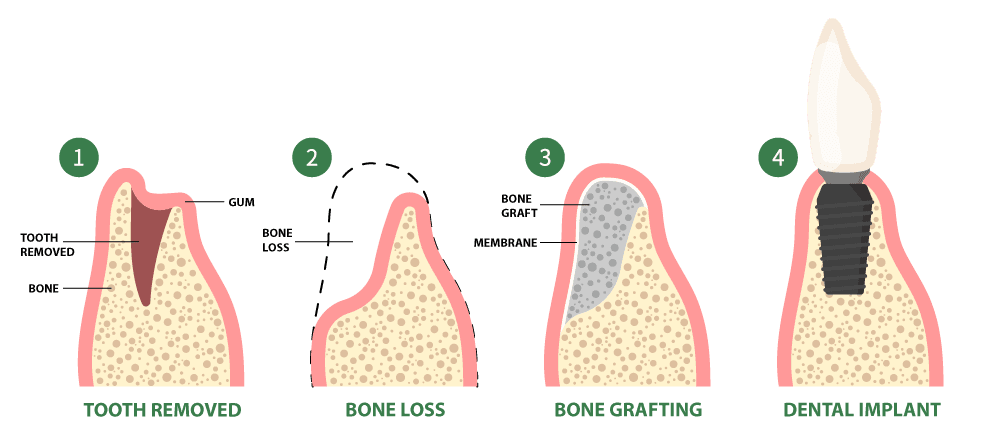
Bone grafting for dental implants typically involves several key steps, which may vary depending on the specific technique and materials used. The following is an overview of the bone grafting process:
1. Initial Consultation and Evaluation
2. Surgical Preparation
3. Harvesting the Bone Graft (If Needed)
4. Placement of the Graft
5. Wound Closure
6. Healing Period
7. Implant Placement
Advantages of Bone Grafting
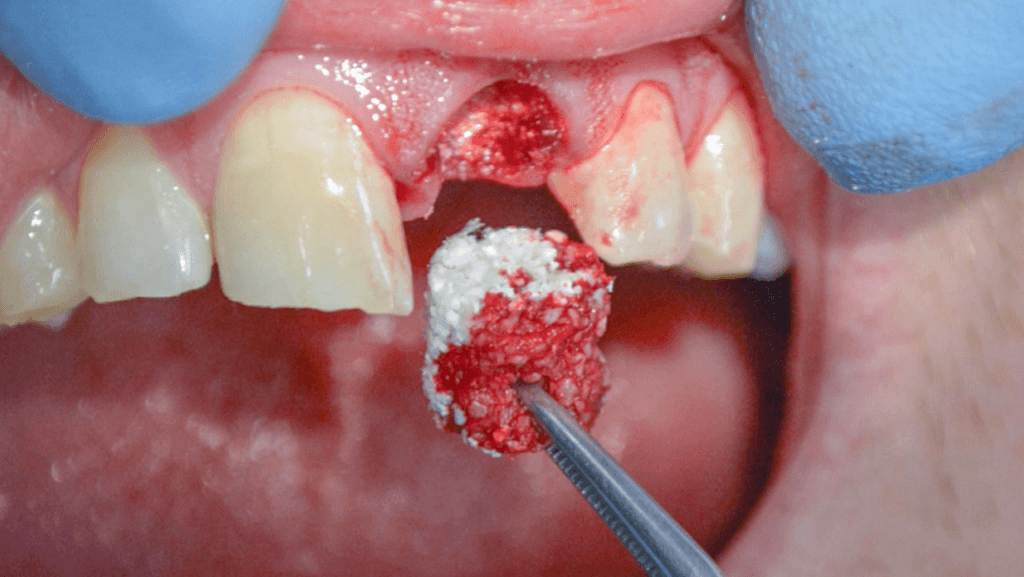
Bone grafting offers numerous benefits when preparing the jawbone for dental implants, making it an essential procedure for many patients. Some of the advantages of bone grafting include:
Disadvantages of Bone Grafting
Although bone grafting has many benefits, it also carries certain drawbacks and risks that patients should take into account:
Complications of Bone Grafting

While bone grafting is generally safe and effective, there are potential complications that patients should be aware of:1. Infection 2. Graft failure 3. Delayed healing 4. Pain and discomfort 5. Nerve injury 6. Bone resorption 7. Scarring 8. Sinus complications