What Is Tooth Decay and Its Complications?
Table of Contents
Many children suffer from pain and discomfort caused by tooth decay. This doesn’t only make it hard for them to eat, smile, and sleep, but in some cases it can even lead to having teeth removed under general anesthesia.Tooth decay is a bacterial infection that affects the teeth, commonly known as cavities. If decay isn’t treated early, it can progress to cracked and broken teeth, dental abscesses, and eventually tooth loss.Cavities are caused by dental plaque bacteria that turn sugars in your food and drinks into acids which erode your teeth. Good oral hygiene helps prevent plaque buildup and lowers the risk of tooth decay.
What Is Tooth Decay?
When we consume sugary foods and drinks, the bacteria in our mouth produce acid. This acid starts to break down the tooth surface, creating holes known as cavities. This can happen in both children and adults.Once these holes appear in the enamel, plaque and bacteria can reach the softer, bone‑like layer underneath. Without treatment, the nerves can be exposed to bacteria, often causing severe toothache. In some cases, bacteria can cause a dental abscess, and the infection may spread to the surrounding bone.When decay reaches a certain stage, the tooth can no longer be saved and will need to be removed.
Causes of Tooth Decay
Tooth decay develops due to several factors, including:
Stages of Tooth Decay
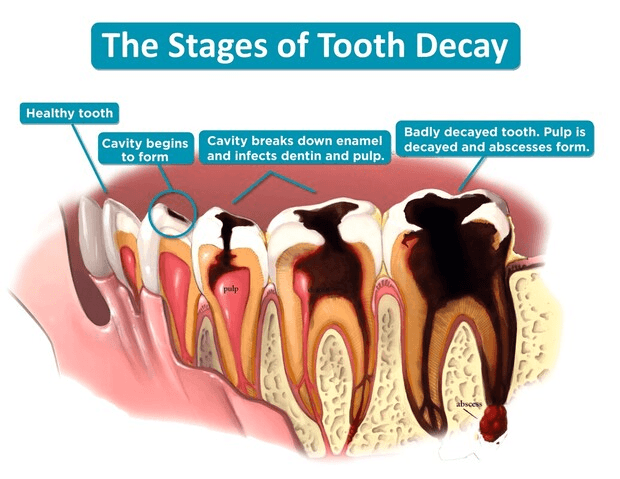
Tooth decay typically progresses through five stages:
1. White Spot Lesion
The earliest sign of tooth decay is a chalky white spot on the tooth. At this stage, the tooth can still be remineralized. It’s a good idea to see a dentist if you’re concerned about a white spot, as they can advise you and help you try to reverse the demineralization process.
2. Enamel Decay
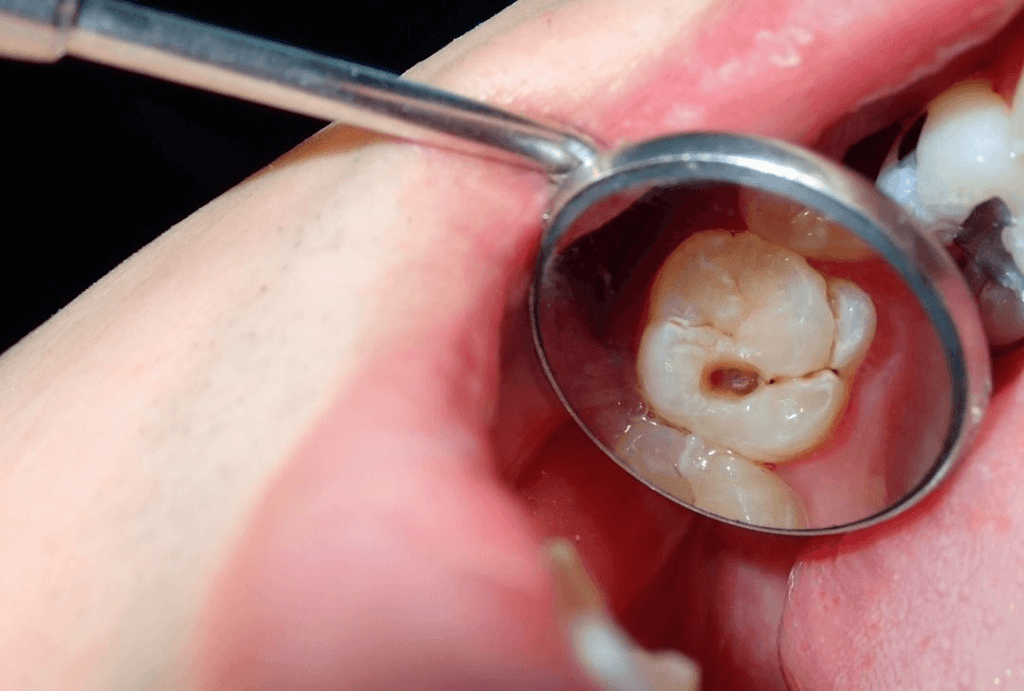
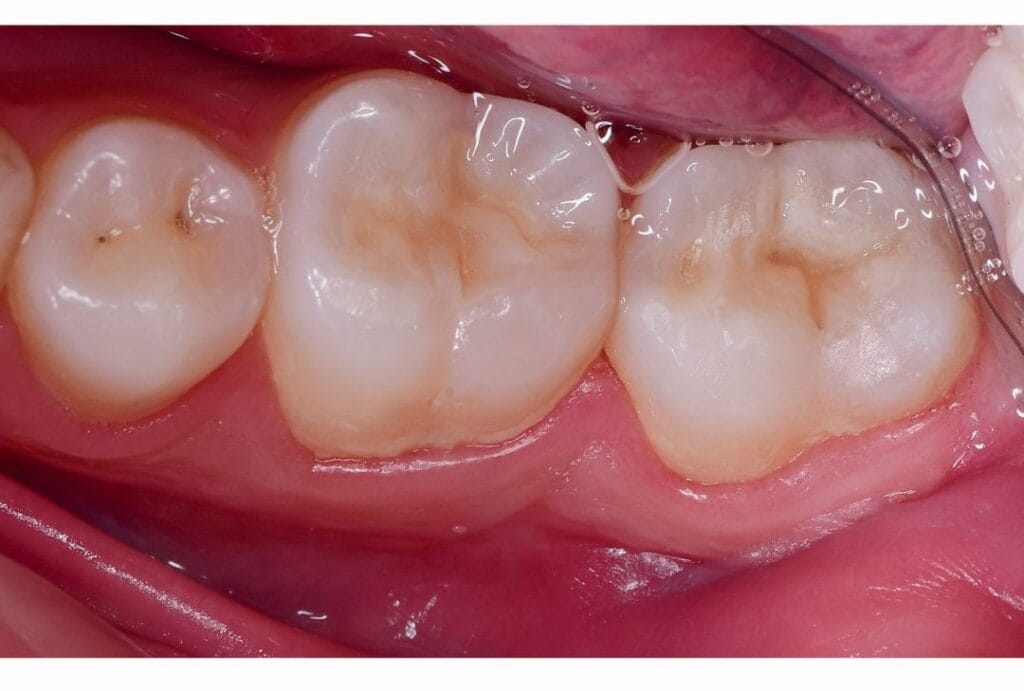
Decay begins in the enamel layer just beneath the tooth’s outer surface. You might notice a grayish shadow on the tooth or spots in the grooves (pits and fissures) of the tooth.By removing this decay early, you can prevent it from progressing deeper into the tooth and causing toothache.If it’s left untreated, once the enamel underneath the surface is weakened enough, the outer enamel will “collapse,” and you’ll notice a visible hole in the tooth. The hole isn’t the first sign of decay, but it may be the first sign you can see or feel.
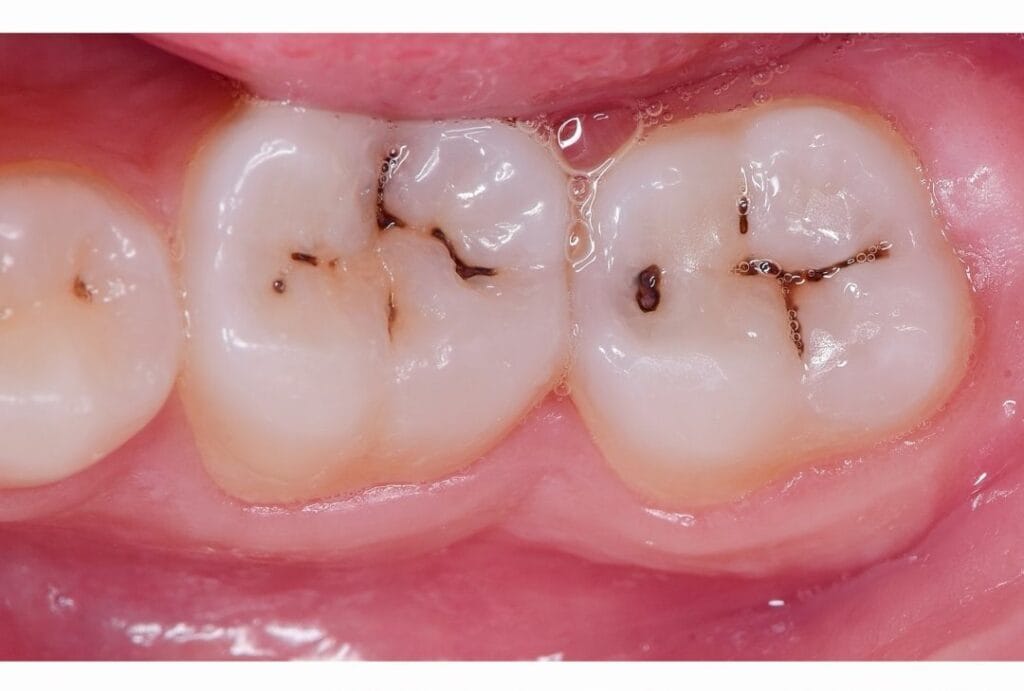
3. Dentin Decay
Dentin, which lies under the enamel, is a softer tissue. Once decay passes through the enamel, it spreads into the dentin. At this stage you may start to feel more pain or sensitivity, and the tooth becomes more likely to fracture.
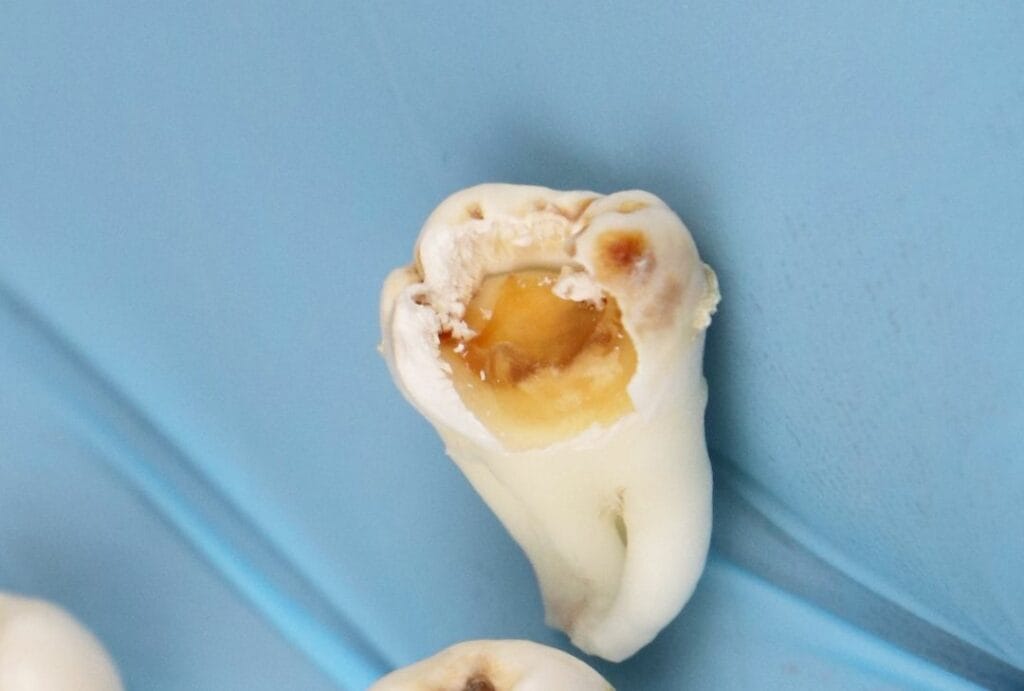
4. Pulp Damage
The pulp is in the center of the tooth, where the tooth’s blood vessels and nerves are found. As bacteria advance toward the pulp, they cause irritation and inflammation. Pain usually becomes more intense at this point.If the tooth is still restorable, the dentist can remove the decay and place a filling. If the decay is advanced and the tooth cannot be restored with a simple filling, the pulp must be removed and the root canals filled. This procedure is called root canal treatment (root canal therapy).
5. Abscess Formation
As decay progresses into the pulp, bacteria can cause an infection. This infection increases inflammation inside the tooth and can lead to a dental abscess—a pocket of pus at the root tip.Dental abscesses can cause severe pain that may radiate to the jaw, and may also lead to fever and swelling of the gums, face, jaw, or lymph nodes.A dental abscess requires prompt treatment to prevent the infection from spreading to the bone and bloodstream, which can cause systemic health problems and can be especially dangerous in people with underlying medical conditions. Treatment may include root canal therapy and a crown, or extraction of the affected tooth.
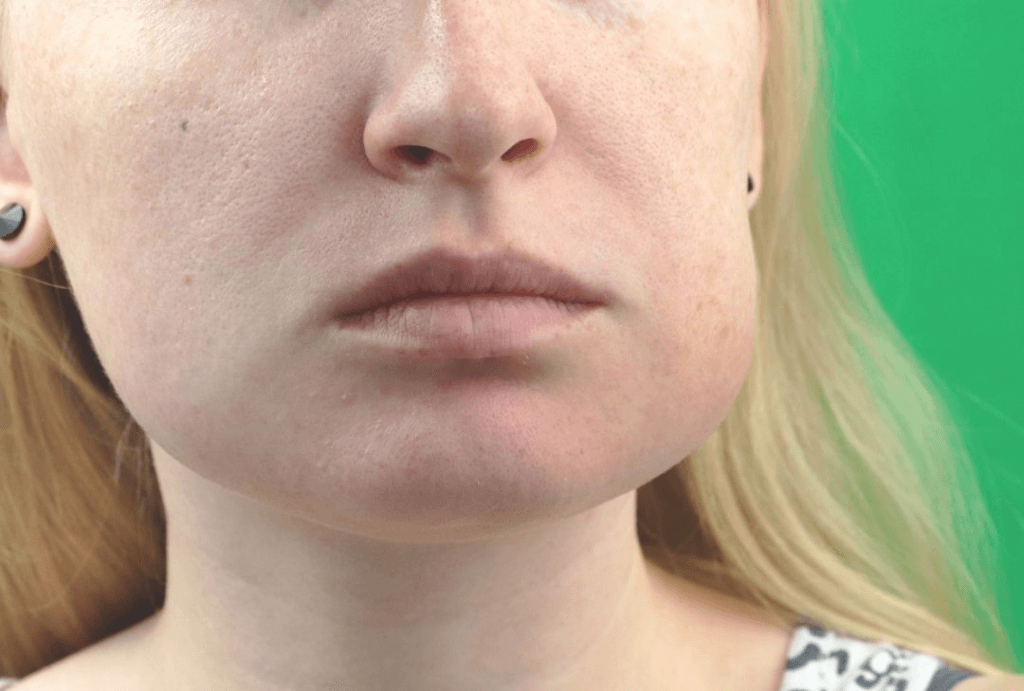
Symptoms of Tooth Decay
Early tooth decay can be hard to detect, which is why regular dental check‑ups are essential for early diagnosis. However, as decay progresses, you may experience:
Complications of Tooth Decay
Because tooth decay is a preventable disease, its complications can be particularly significant. Some of the major complications you may face include:
Prevention of Tooth Decay

Although tooth decay is extremely common, it can be prevented with consistent dental care and good oral hygiene. Here are some tips to help prevent cavities:
Tooth Decay Treatment in Jeddah
Dr. Abeer provides comprehensive tooth decay treatment in Jeddah. With years of experience, she offers effective solutions to restore your oral health and prevent further damage. Using modern techniques and up‑to‑date equipment, Dr. Abeer ensures a comfortable, virtually pain‑free experience for her patients.Whether you need a simple filling or a more complex procedure, her clinic is equipped to manage all stages of tooth decay.Conveniently located in Jeddah, her practice is a trusted choice for anyone seeking high‑quality dental care. Book an appointment today and take the first step toward a healthier smile.