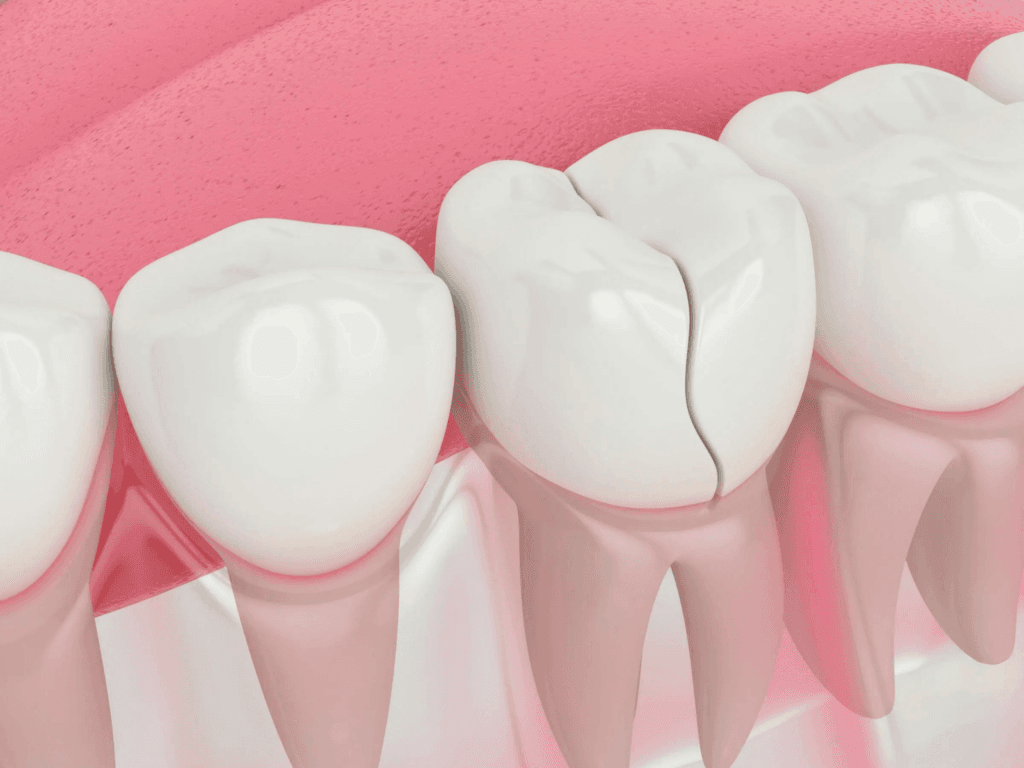
Broken teeth are very common among adults. Treatment can range from not needing any intervention at all to root canal therapy, a dental crown, or even tooth extraction in more severe cases.As with most dental injuries, both the treatment plan and the chance of saving the tooth depend on how severe the fracture is, whether it extends into the root, how long it has been present, and whether there are any other complicating factors.The key to successfully treating a broken tooth is early detection and appropriate care. If you suspect you have a cracked or broken tooth, schedule an appointment with your dentist as soon as possible.
Table of Contents
What Is a Broken Tooth?
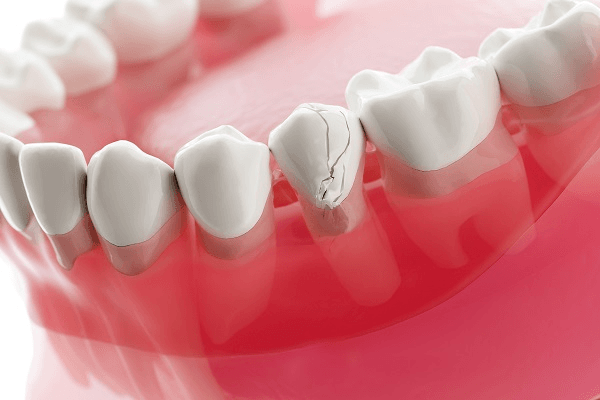
Broken teeth can appear in many forms, ranging from very shallow craze lines (fine cracks limited to the outer surface of the tooth) that only affect the enamel, to fractures that run across the chewing surface of the tooth and extend down into the root.In many cases, these cracks are too small to be seen with the naked eye. Standard dental X‑rays may not always detect them, so other diagnostic methods may be needed, such as transillumination (using a focused dental light) or applying special dental dyes.Although cracks can occur in any tooth, they are more common in molars, teeth with large fillings, and teeth that have multiple restorations.Cracks cannot be completely prevented, but they often result from biting down on something very hard, such as an ice cube or an unpopped popcorn kernel. Chronic teeth grinding (bruxism) and clenching are also common causes.
How Do Teeth Break?
Common causes of broken teeth include:
What Are the Symptoms of a Broken Tooth?
A broken tooth can easily become infected because bacteria can access the dental pulp. It is important to recognize the warning signs of infection in a cracked or broken tooth before the problem progresses. These symptoms can include:
Complications of a Broken Tooth
Teeth can break for several reasons, such as trauma, tooth decay, or biting on hard objects. When a tooth breaks, it can lead to pain, sensitivity, and even a higher risk of infection if it is left untreated.“Accumulations” in a broken tooth refer to the buildup of debris, bacteria, and food particles within the fractured area. This can make the situation worse and increase the risk of further decay and infection. Key complications of broken teeth include:
How Is a Broken Tooth Treated?
Treatment for a broken tooth typically involves several steps:
Dental Examination
Treatment Options
Post‑Treatment Care
How to Prevent Tooth Fractures
You can lower your risk of breaking a tooth by following these recommendations:
Maintain Good Oral Hygiene
Avoid Chewing Hard Objects
Wear a Mouthguard
Get Regular Dental Checkups
Manage Teeth Grinding
Follow a Healthy Diet
Types of Tooth Fractures
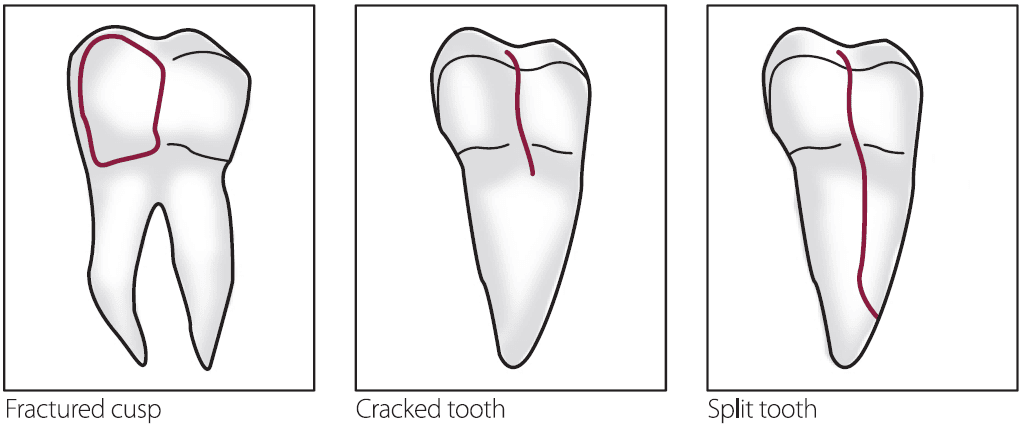
There are several forms and types of tooth fractures:– Crown fracture (fracture of the visible part of the tooth) – Broken teeth (general term for fractured or chipped teeth) – Vertical root fracture – Split tooth: A serious type of fracture in which the tooth is separated into two distinct segments. – Vertical crown fracture
How to Relieve Pain from a Broken Tooth
There are some home measures you can try to help ease the pain from a broken tooth, such as:
Broken Tooth Restoration in Jeddah

Dr. Abeer offers professional broken tooth restoration services in Jeddah, providing effective solutions to repair damage and improve your smile. Whether through dental crowns, fillings, or other restorative techniques, her focus is on restoring both function and appearance.She takes the time to carefully evaluate each case individually and ensures that the treatment plan is tailored to your specific needs. Her priority is to make the process as comfortable as possible while helping you regain confidence in your teeth. If you have a broken tooth, Dr. Abeer is ready to help you get back to smiling again.