Porcelain Dental Restorations
Table of Contents
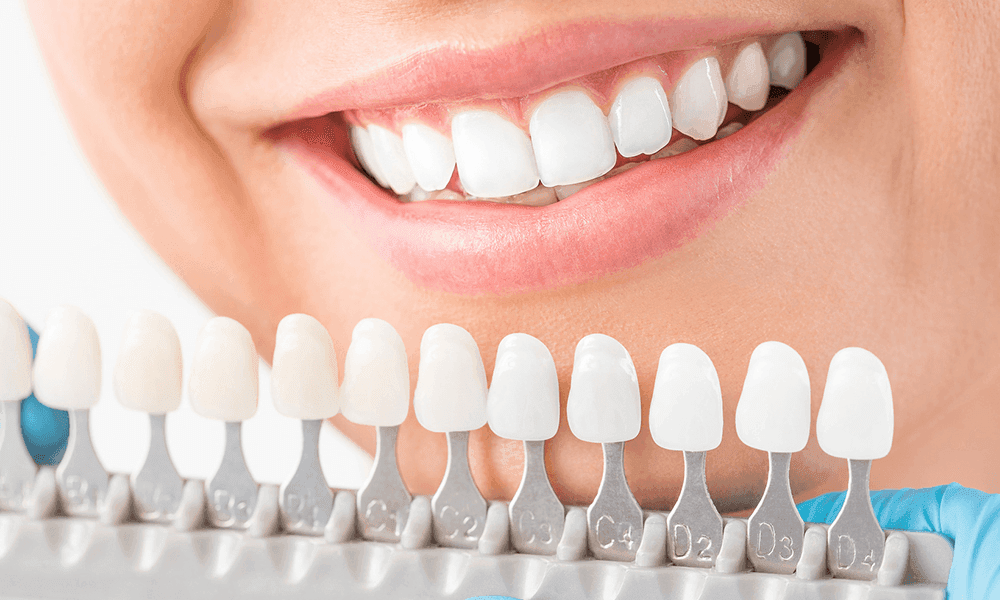
Porcelain restorations are coverings used for teeth that need repair for various reasons. Porcelain (ceramic) teeth can also be placed after dental implant procedures. The process generally involves three main steps: preparing/measuring the area to be restored, fabricating the restoration, and bonding it in place.Porcelain veneers and crowns are often preferred in dental treatments because they are durable and highly aesthetic. Thanks to this approach, the patient receives restorations that closely resemble natural teeth in both look and feel. Depending on the details of the dental treatment plan, porcelain restorations can often be completed within a few weeks.
What Are Porcelain Teeth?
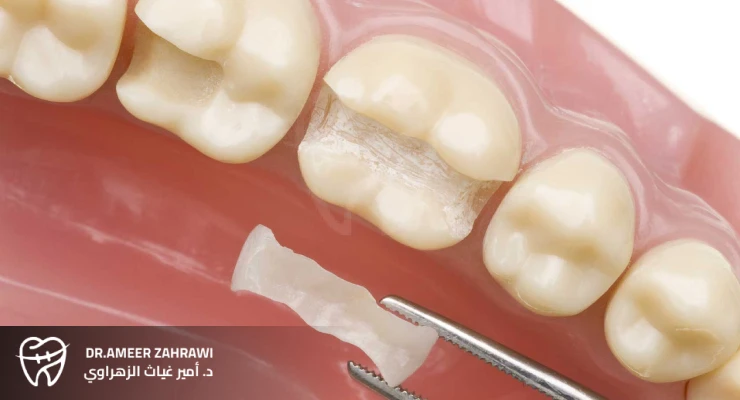
Porcelain teeth are artificial dental restorations made from a ceramic material called porcelain. They are commonly used in a variety of dental procedures to restore or improve the appearance, function, and structure of natural teeth. Porcelain restorations may include crowns, veneers, bridges, and implant-supported crowns, and they are known for their natural appearance, durability, and biocompatibility.Porcelain teeth are used to cover damaged or even intact teeth, sometimes after removing a certain amount of tooth structure and sometimes with minimal or no reduction, depending on the case.They are also used to replace missing teeth in what’s known as a dental bridge, where the bridge is anchored to the teeth on either side of the gap.
Types of Porcelain Teeth
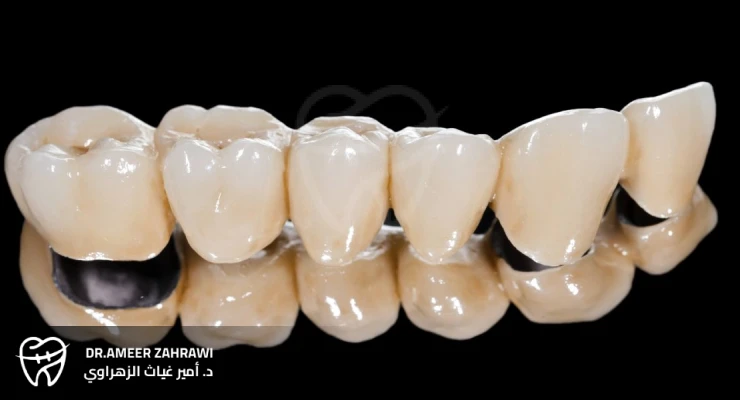
Common types of porcelain dental restorations include:Full porcelain crowns: These crowns are made entirely of porcelain and are a popular choice because of their highly natural appearance. They are especially suitable for front teeth, where aesthetics are a priority.Porcelain-fused-to-metal (PFM) crowns: These crowns have a metal substructure covered with a layer of porcelain. They combine strength with good aesthetics, making them a versatile option for both front and back teeth.All-ceramic / metal-free crowns: These crowns are made entirely from ceramic materials such as zirconia or lithium disilicate. They offer excellent aesthetics, are highly biocompatible, and are suitable for patients with metal sensitivities.Porcelain veneers: These are thin porcelain shells bonded to the front surface of the teeth to improve their appearance. Veneers are often used to correct discoloration, minor chips, cracks, or gaps between teeth.You may also like: Dental Crowns – The Ideal Solution to Restore and Protect Your Teeth with Advanced Techniques
How Porcelain Teeth Differ from Other Options
Key differences between porcelain teeth and other types of restorations include:Durability: Porcelain restorations are generally more durable than composite resin fillings, but they may not be as strong as full-metal crowns in extreme load situations.Aesthetics: Porcelain closely mimics natural teeth in color and translucency, making it a popular choice for front teeth. Metal crowns and some composite restorations typically cannot achieve the same level of natural appearance.Biocompatibility: Porcelain is biocompatible and less likely to cause allergic reactions compared with some metal-based crowns.Stain resistance: Porcelain restorations are more resistant to staining than composite resin, which can discolor over time.Tooth preparation: Porcelain crowns often require more reduction of the natural tooth compared with composite fillings, which can be placed more conservatively in certain situations.Cost: Porcelain restorations are usually more expensive than composite resin fillings but may be comparable in price to some metal crowns, depending on the material and lab work.Repair: While both porcelain and composite restorations can be repaired if damaged, repairing porcelain can be more technically demanding and more expensive.
Advantages of Porcelain for Teeth
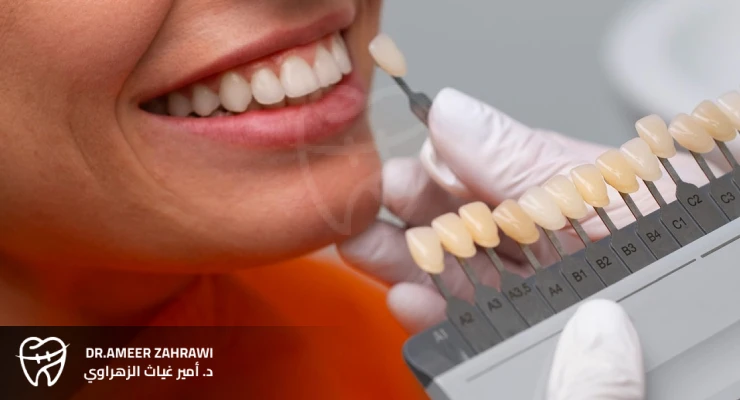
Major benefits of porcelain restorations include:Natural look and feel: Porcelain closely reproduces the natural appearance of teeth in terms of color, translucency, and surface texture, making it an ideal material for visible areas of the smile.Biocompatibility: Porcelain is generally well tolerated by the body and carries a low risk of causing allergic reactions or oral irritation.High stain resistance: Compared with materials like composite resin, porcelain is highly resistant to staining from foods, beverages, and tobacco, helping maintain a bright, natural-looking smile over time.Customization: Porcelain can be precisely customized to match the shape, size, and color of your natural teeth, allowing restorations to blend seamlessly with your smile.Gum-friendly: Porcelain is gentle on the surrounding gum tissue and less likely to cause irritation or inflammation, making it a comfortable option for long-term restorations.Conservation of tooth structure: In many cases, porcelain restorations can be designed more conservatively than traditional full-metal crowns, preserving more of the natural tooth structure (especially with veneers and certain all-ceramic designs).
Disadvantages of Porcelain Teeth
Some potential drawbacks of porcelain restorations include:Higher cost: Porcelain teeth are generally more expensive than alternatives such as composite fillings, which can be a concern for patients on a tight budget.Brittleness: Although strong, porcelain is a brittle material and can chip or fracture under excessive force or impact, especially in people who grind their teeth or bite on hard objects.Complex repairs: Repairing damaged porcelain can be challenging and often requires the expertise of an experienced dentist and dental laboratory, which may increase the overall cost.Possible sensitivity: In some cases, porcelain restorations can lead to increased tooth sensitivity, particularly if the fit is not ideal or if the restoration is very thin.Color matching challenges: While porcelain offers excellent aesthetics, achieving a perfect color match with natural teeth can sometimes be difficult, especially if neighboring teeth have unique shades or multiple color variations.Longevity compared to some metals: Although durable, porcelain restorations may not always last as long as certain metal restorations, such as gold crowns, particularly in patients with heavy bite forces or parafunctional habits (like clenching and grinding).Wear on opposing teeth: If the bite is not properly adjusted, porcelain can cause wear on the natural teeth that bite against it, potentially leading to uneven tooth wear over time.Read also: Best Prosthodontist in Jeddah
How to Take Proper Care of Porcelain Teeth
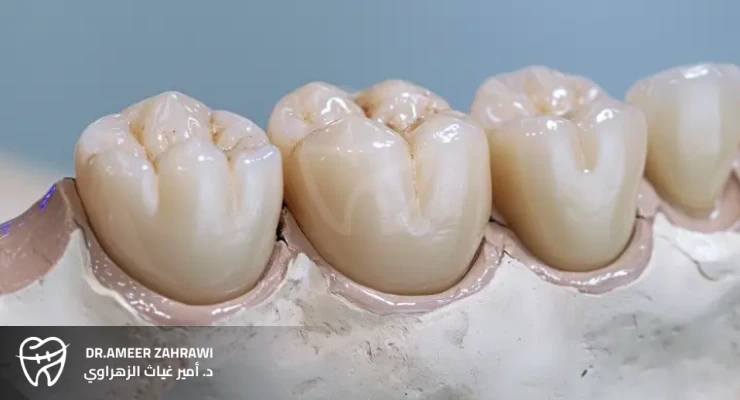
Key tips for caring for porcelain restorations include:Maintain good oral hygiene: Brush at least twice a day and floss daily. Use a soft-bristled toothbrush and non-abrasive toothpaste to avoid scratching the porcelain surface or damaging the margins of the restoration.Limit staining agents: Although porcelain is stain-resistant, it’s still wise to limit or reduce intake of highly pigmented substances such as coffee, tea, red wine, and tobacco to keep your smile looking its best.Regular dental checkups: Visit your dentist regularly for exams and professional cleanings. This helps ensure the health and longevity of your porcelain restorations and allows your dentist to detect any issues early and provide necessary maintenance.Wear a night guard if needed: If you grind or clench your teeth at night (bruxism), wearing a custom night guard can protect your porcelain crowns or veneers from excessive wear, cracks, or fractures.Avoid chewing on hard objects: Do not bite on hard items like ice, pens, or very hard nuts, as this can chip or crack porcelain restorations.Maintain a balanced diet: A nutrient-rich, balanced diet supports overall oral health and can help extend the lifespan of your restorations. Avoid excessive sugar intake, which increases the risk of decay around the restored teeth.Address problems promptly: If you notice any discomfort, increased sensitivity, looseness, or visible damage to your porcelain teeth, see your dentist as soon as possible for evaluation and appropriate repair.Use a mouthguard for sports: If you play contact sports or engage in activities where there is a risk of trauma to the mouth, wear a custom-fitted sports mouthguard to protect both your natural teeth and your porcelain restorations.
Porcelain Teeth in Jeddah
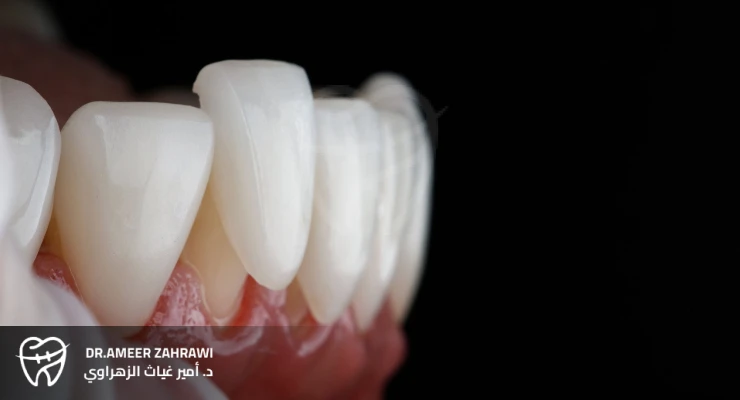
Transform your smile with porcelain dental restorations in Jeddah with Dr. Abeer Zandaki. Each case is carefully evaluated to determine the most appropriate approach—whether porcelain crowns or veneers—ensuring an excellent fit and a natural-looking result.With a strong focus on patient comfort and satisfaction, Dr. Abeer uses advanced techniques and high-quality materials to deliver reliable, long-lasting outcomes and a smooth, comfortable treatment experience—resulting in a brighter smile that boosts your confidence. Visit her clinic in Jeddah and take the first step toward the beautiful smile you’ve always wanted.Learn more about dental restoration services in Jeddah.