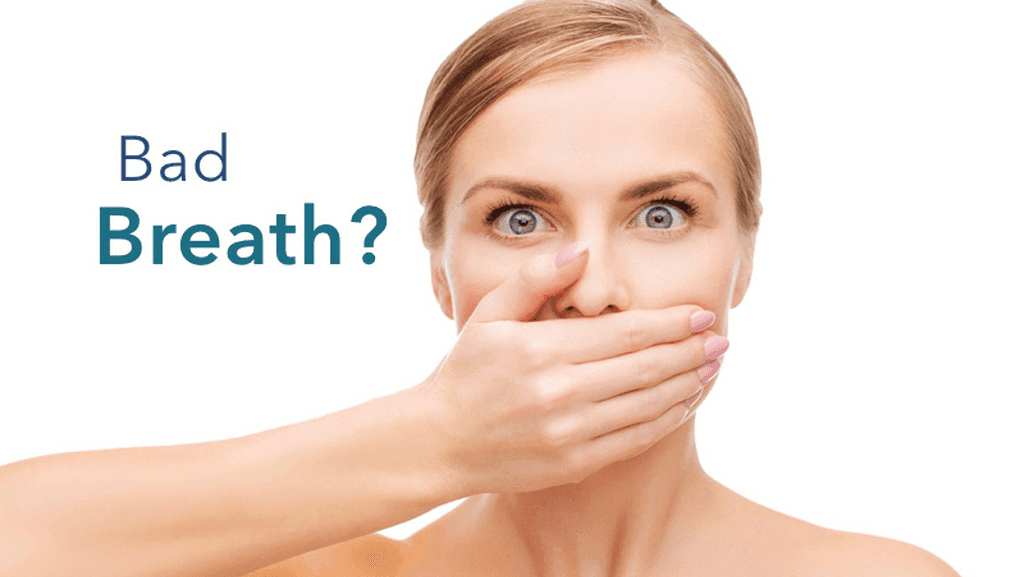
Bad Breath and How to Treat It
Table of Contents
Bad breath can be extremely embarrassing, and at times it may feel almost impossible to get rid of the unpleasant smell coming from your mouth. A variety of factors can contribute to halitosis, and some of them may be beyond your control. These include genetic predisposition and medical conditions such as acid reflux (GERD), diabetes, sinus infections, and certain medications.One of the most common causes of bad breath is gum disease. Fortunately, effective periodontal treatments can help restore oral health and significantly reduce bad breath. However, there are many other causes of persistent halitosis, and you can take practical steps to address or prevent them by adjusting some of your daily habits. In this article, we’ll explore the main causes of bad breath and review a range of available treatment options.
Symptoms of Bad Breath
Many people wake up with unpleasant-smelling breath, commonly known as “morning breath.” However, you may also experience bad breath intermittently throughout the day without realizing it. Here are some symptoms that may indicate you are dealing with halitosis:

Foods That Affect Breath Odor
Certain foods can contribute to bad breath, either by leaving strong lingering odors or by promoting bacterial growth in the mouth. Common examples include:
Causes of Bad Breath
There are many factors that can lead to bad breath, which can generally be grouped as follows:
1. Common Causes of Bad Breath

2. Medical Causes of Bad Breath
How to Prevent Bad Breath
There are several things you can do on your own to help prevent bad breath. These include:
Treatment of Bad Breath
There are multiple approaches to treating bad breath. The key is to address the underlying cause, such as:
Treatment of Gum Disease
When gum disease is identified as the source of bad breath, treatment options often include professional dental cleanings to remove plaque and calculus (tartar) buildup. A procedure called root planing may also be performed to smooth the root surfaces and promote healing. In more advanced cases, surgical intervention or antibiotic therapy may be required to control the infection and restore gum health.
Treatment of Tooth Decay
Management of tooth decay depends on its severity. For mild cavities, dental fillings can be used to restore the tooth’s structure. If the decay has progressed further, more complex procedures such as root canal treatment may be necessary to remove infected pulp tissue and seal the tooth. In cases of extensive damage, dental crowns can be placed to protect and strengthen the affected tooth. When the tooth is too severely compromised to be saved, extraction may be the only option.
Treatment of Oral Diseases
Certain oral conditions, including oral thrush (a fungal infection) and other types of oral infections, require specific treatment protocols. These may include antifungal medications to combat the infection, or antibacterial mouth rinses to reduce harmful bacteria. A healthcare provider may also prescribe systemic medications tailored to the particular condition affecting the mouth.
Treatment of Gastrointestinal Disorders
If bad breath is linked to gastrointestinal issues such as acid reflux, gastritis, or bowel obstruction, it is essential to treat the underlying condition. Effective management may involve lifestyle modifications—such as dietary changes—along with medications aimed at relieving acid reflux or other digestive symptoms. In severe cases, surgical intervention may be required to correct the problem.
Use of Specialized Products
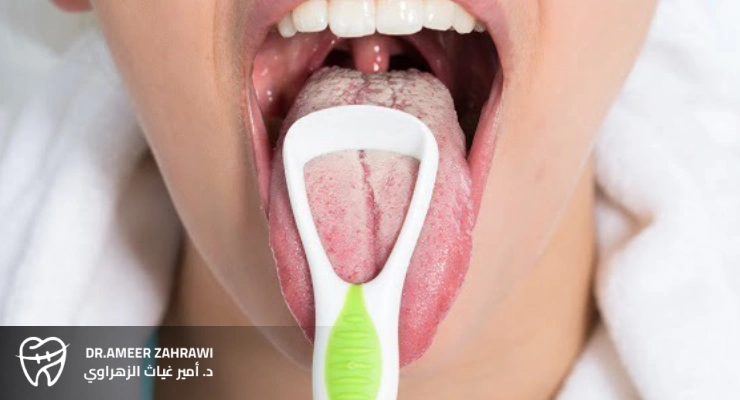
There is a variety of specialized oral care products designed to help combat bad breath. These include mouthwashes and sprays formulated to neutralize odor-causing compounds, saliva substitutes or moisturizers to relieve dry mouth, and tongue scrapers specifically designed to remove bacteria and debris from the tongue’s surface, promoting better oral hygiene and fresher breath.
When to See a Doctor
Teeth and Bad Breath

Your teeth play a central role in overall oral health, and their condition can significantly influence breath odor. Here is how the state of your teeth can affect bad breath:Learn more about: Cosmetic Dentistry Services in Jeddah