When you notice your gums turning black, it can be worrying and may point to an underlying oral health issue. In this article, we’ll look into the causes of black gums, discuss the potential health concerns related to them, and outline prevention and treatment options to help you maintain healthy gums. Let’s learn more about this condition and how to manage it effectively.
Table of Contents
Causes of Black Gums
There are several factors that can contribute to the development of black or dark gums. The most common causes include:SmokingSmoking is one of the main causes of dark or black gums. The chemicals found in tobacco products can stain the gum tissue over time, leading to a darker appearance. Smoking also increases the risk of gum disease, which can further worsen discoloration.Poor Oral HygieneInadequate oral hygiene practices, such as irregular brushing and flossing, can contribute to black gums. Plaque and tartar buildup can lead to gum inflammation and changes in gum color.MedicationsCertain medications, such as antimalarials, minocycline (a type of tetracycline antibiotic), and some antipsychotic drugs, can cause gum discoloration as a side effect. If you are taking any medication and notice changes in the color of your gums, it’s advisable to consult your healthcare provider.Gum DiseaseGum diseases such as gingivitis and periodontitis can lead to areas of dark or black discoloration on the gums. These conditions are characterized by inflamed, infected gum tissue, which can alter both the appearance and texture of the gums.
Symptoms Associated with Black Gums
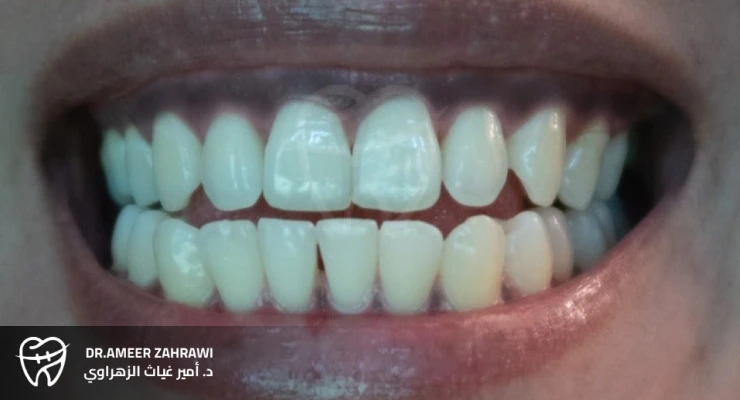
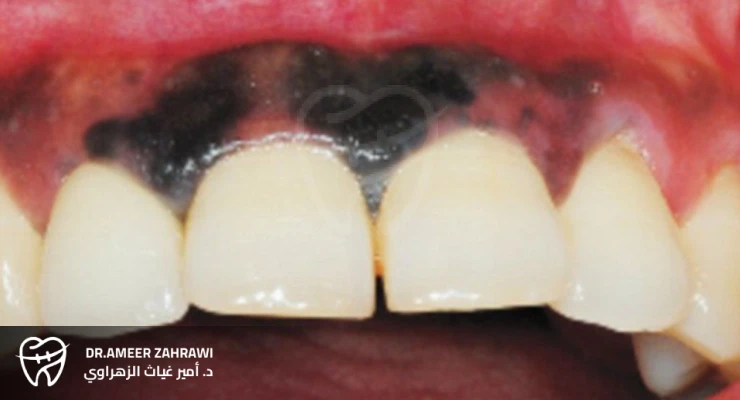
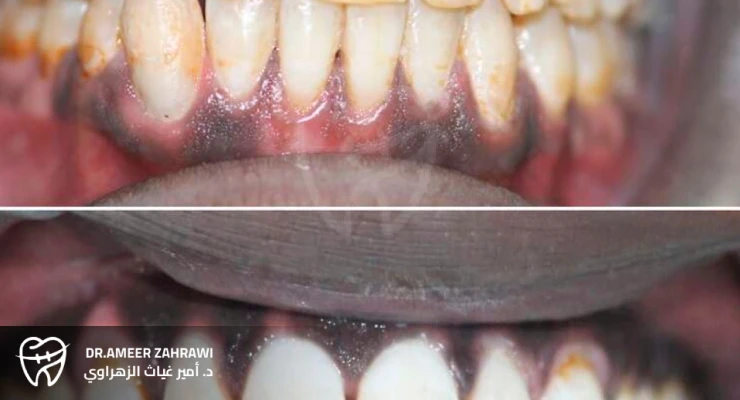
The condition commonly referred to as “black gums” usually involves darkening or hyperpigmentation of the gum tissue, which may result from various factors. Some common associated signs and symptoms include:
- Visible dark spots or diffuse darkening of the gums
- Changes in gum color compared to their previous appearance
- Possible swelling, tenderness, or bleeding if gum disease is present
- Bad breath (halitosis) in cases linked to poor oral hygiene or gum infection
- Receding gums or changes in gum contour in more advanced periodontal disease
Side Effects and Impact of Black Gums
Black gums can lead to several consequences, mainly related to oral health and overall well‑being:
- Cosmetic concerns and reduced confidence when smiling or speaking
- Possible association with gum disease, which can progress if not treated
- In advanced cases, increased risk of tooth mobility and tooth loss
- Potential impact on chewing and overall oral comfort
- In some situations, a link to systemic health issues if gum disease becomes severe
Preventing Black Gums
Preventing black gums involves maintaining good oral hygiene and addressing any underlying health problems. Effective preventive measures include:
- Brushing at least twice daily with a soft-bristled toothbrush and fluoride toothpaste
- Daily flossing to remove plaque between the teeth and along the gumline
- Using an antibacterial or antimicrobial mouthwash if recommended by your dentist
- Quitting smoking and avoiding all tobacco products
- Attending regular dental checkups and professional cleanings
- Reviewing medications with your doctor or dentist if you notice gum discoloration
- Following a balanced diet that supports gum and overall oral health
Are Black Gums Always Dangerous?
Black gums are not always dangerous, but their presence can reflect different levels of concern depending on the underlying cause. In some people—especially those with naturally darker pigmentation—black or dark gums may simply be a benign, hereditary trait and pose no health risk.However, in many other cases, dark or black gums can signal more serious issues such as gum disease or other oral health problems. If left untreated, these conditions can lead to complications including tooth loss and even systemic health problems.Factors such as poor oral hygiene, tobacco use, and certain medical conditions can contribute to both discoloration and its related risks. Therefore, although not all cases of black gums are inherently serious, it is essential to evaluate them within the broader context of overall gum health and to seek professional advice from a dentist to rule out any significant underlying issues. Regular dental visits and proper oral care are crucial for monitoring and maintaining healthy gums.
Treatment Options for Black Gums
Treatment for black gums depends on the underlying cause. Common approaches include:
Improving Oral Hygiene
Enhancing your daily oral care routine is often the first step. This includes thorough brushing, flossing, and possibly using an antibacterial mouthwash to reduce plaque and inflammation.
Professional Dental Cleaning
A comprehensive cleaning performed by a dentist or dental hygienist removes plaque and tartar buildup, helping to restore gum health and improve their appearance. (Deep cleaning or scaling and root planing may be recommended in more advanced cases.)
Gum Disease Treatment
If gum disease is diagnosed, treatment may involve scaling and root planing (deep cleaning) to remove infected deposits beneath the gumline and smooth the tooth roots, promoting gum reattachment and healing.
Medications
In some cases, dentists may prescribe topical antibiotics, systemic antibiotics, or antimicrobial mouth rinses to help control infection and reduce inflammation.
Surgical Interventions
For severe gum disease, surgical options such as gum grafting, flap surgery, or other periodontal procedures may be necessary to restore gum health and support.
Lifestyle Changes
Quitting smoking and improving your diet can significantly impact gum health and may help reverse some discoloration over time, especially when combined with professional treatment.
Cosmetic Treatments
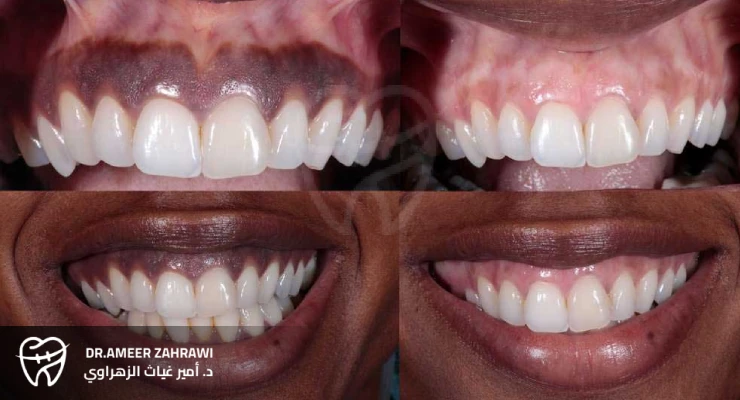
For individuals concerned mainly about the appearance of dark gums without any serious underlying disease, cosmetic procedures such as gum depigmentation (also called gum bleaching or gingival depigmentation) may be an option to lighten the gum color.
Treatment of Black Gums in Jeddah

Dr. Abeer offers specialized treatment for black gums in Jeddah. Her approach focuses on identifying and addressing the root causes of dark gums, which may include genetic factors, gum disease, or other contributing conditions.
She provides personalized care aimed at improving the appearance of your gums and enhancing your smile. Her treatment plans typically include professional cleaning and tailored therapies designed to promote optimal gum health. If you’re looking to brighten your smile and improve the condition of your gums, schedule an appointment with Dr. Abeer today.