

Gum disease is a serious condition that can have a harmful impact on the health of your teeth and gums, as well as the overall quality of life for those who suffer from it. If left untreated, it can cause pain, discomfort, and even tooth loss. In this article, we’ll provide a comprehensive overview of the causes and symptoms of gum disease to help you better understand the condition and the best ways to prevent it.Gum disease is an oral health problem caused by the buildup of dental plaque and bacteria on the teeth and gums. Depending on the amount and type of plaque and bacteria present, it can range from mild to severe. If not treated, gum disease can lead to significant damage to the teeth and gums and may be associated with other health complications.
Table of Contents
How Do Gums Develop Disease?
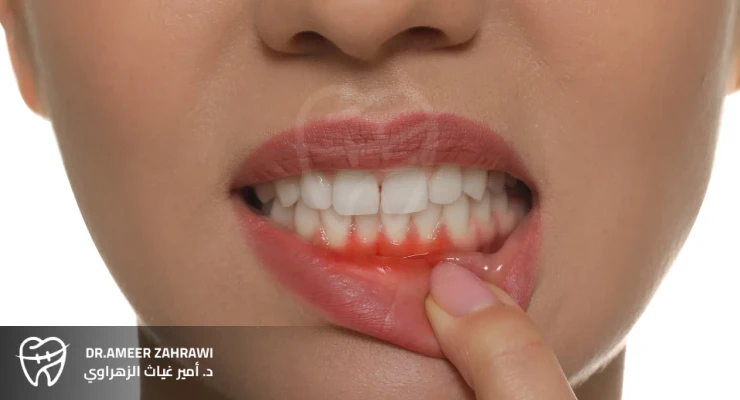
Your mouth is home to many bacterial colonies. Oral bacteria constantly adhere to your teeth and form a sticky film known as plaque. That’s why it’s important to brush your teeth regularly to prevent plaque buildup. When plaque is not removed for a prolonged period, it can lead to gingivitis and periodontitis.If plaque is not regularly removed from the tooth surfaces, it starts to accumulate below the gumline and attach to the teeth in areas that are impossible to clean with a toothbrush or dental floss. Once plaque begins to build up in an area of the mouth where it cannot be easily removed, the bacterial colonies multiply and harden into a substance called tartar (calculus). When both plaque and tartar are present beneath the gums, bacteria multiply rapidly and begin to damage the soft tissues surrounding the teeth.Factors that can contribute to the development of gum disease include:
Types of Gum Disease
Gingivitis
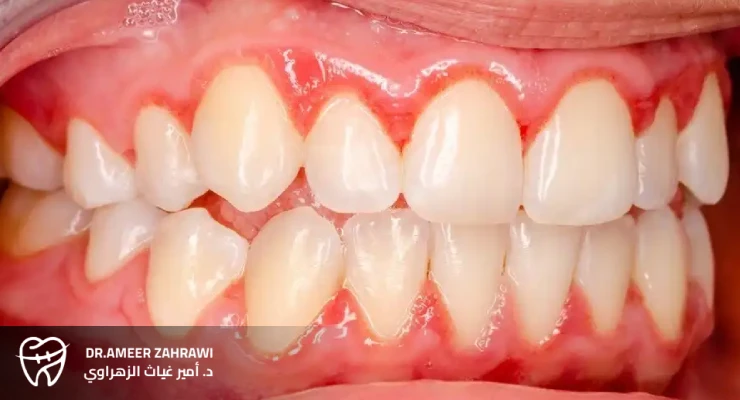
Gingivitis is the mildest form of gum disease. It is caused by the accumulation of plaque—a sticky layer of bacteria—on the teeth. Symptoms include red, swollen, and tender gums that may bleed when brushing or flossing. Gingivitis can be reversed with good oral hygiene habits and professional dental care.Read more about gingivitis: A comprehensive guide to its causes and symptoms.
Periodontitis
If gingivitis is left untreated, it can progress to periodontitis. Periodontitis is an inflammatory condition around the tooth that damages the surrounding bone and the fibers (periodontal ligament) that hold the teeth in place. There are several types of periodontitis:
Chronic Periodontitis
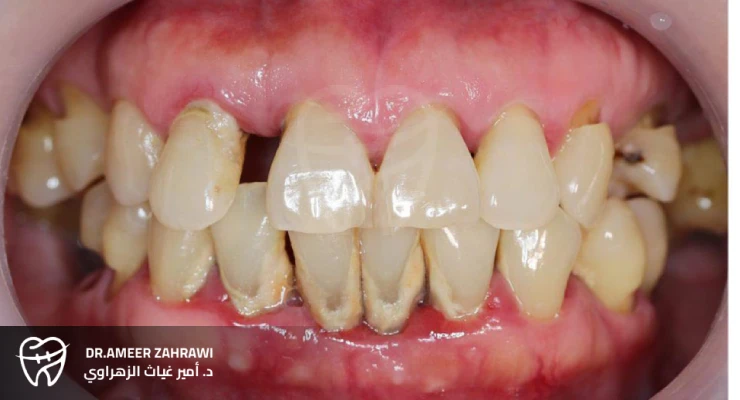
This is the most common type of periodontitis. It is characterized by ongoing inflammation and the gradual loss of attachment between the tooth and its supporting tissues.
Aggressive Periodontitis
This form progresses rapidly and is more commonly seen in younger individuals.
Necrotizing Periodontal Disease
This is a severe infection characterized by necrosis (death) of the gum tissue, periodontal ligament, and supporting bone.
Advanced Periodontitis
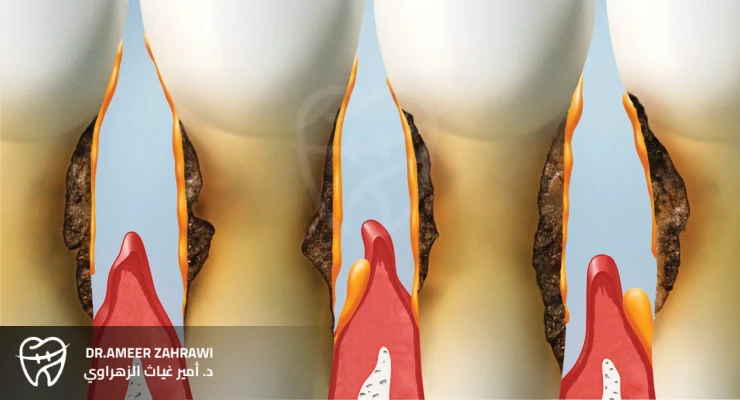
In the advanced stages of periodontitis, the bone and supporting fibers that keep the teeth in place are severely destroyed. This can lead to tooth mobility and eventually tooth loss, and may require more complex treatments such as periodontal surgery or dental implants.
Symptoms of Gum Disease
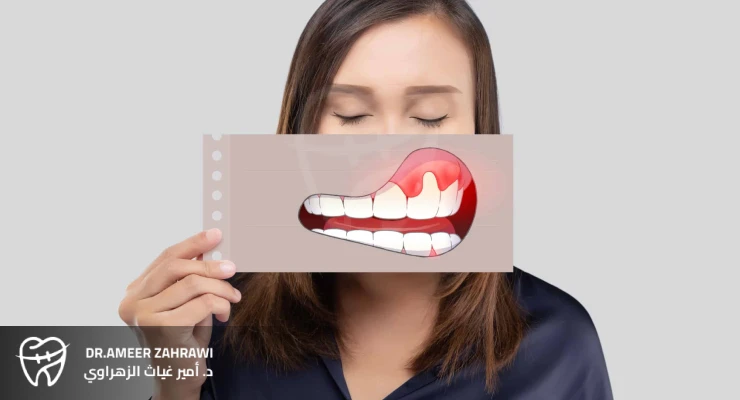
Gum disease should never be taken lightly. It’s essential to recognize the signs and symptoms early, because gum disease does more than cause bleeding—it can also lead to the breakdown of oral tissues and tooth structures.Gum disease typically has two main stages: gingivitis and periodontitis. Gingivitis often begins with red, swollen gums that bleed easily. This is the early stage of gum disease and can usually be managed and reversed with consistent oral care. However, if gingivitis is not treated, it can progress to periodontitis, which may cause gum recession, bone loss, and eventually tooth loss.People with gum disease may experience a range of symptoms, from mild to severe, including:
What Happens After the Gums Become Diseased?
Complications of Gum Disease
If gum disease is left untreated, it can lead to serious and potentially irreversible consequences for oral health, including:
How to Keep Your Gums Healthy
The same good oral hygiene practices that protect your teeth also protect your gums from the bacterial buildup that leads to inflammation and infection.These practices include:You should also:

Gum Disease Treatment in Jeddah
Dr. Abeer Zendaki provides comprehensive gum disease treatment in Jeddah, helping patients maintain healthy gums and prevent further complications.Dr. Abeer offers thorough examinations and personalized treatment plans that may include deep cleaning (scaling and root planing) and ongoing maintenance care. She understands the importance of oral health and works closely with her patients to educate them about proper dental hygiene. If you are experiencing gum swelling or bleeding, Dr. Abeer is ready to help you get back on track toward a healthier smile.
Treatment of Gingivitis Types in Jeddah

Dr. Abeer Zendaki specializes in treating different types of gingivitis in Jeddah. She provides comprehensive evaluations to identify the specific type of inflammation and offers tailored treatment options, including deep cleaning and patient education on effective oral hygiene.Dr. Abeer’s goal is to reduce discomfort, promote healing, and ensure that her patients fully understand how to care for their gums properly. If you are suffering from gingivitis, Dr. Abeer is prepared to help you restore gum health and improve your overall dental well-being.Similar articles:Black gums: causes and treatment Gingival enlargement: causes and management