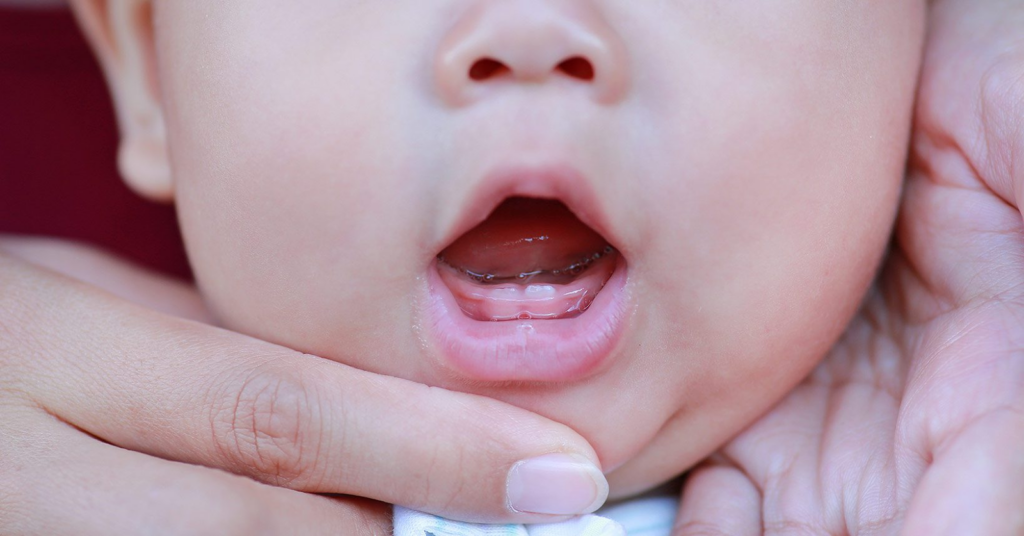
Teething is a major developmental milestone in early childhood, but it can sometimes be a challenging and painful experience for both babies and parents. The eruption of a baby’s first teeth is a natural process that usually begins around six months of age.As tiny teeth push through the delicate gums, infants may show symptoms such as irritability, drooling, and disrupted sleep patterns. Understanding the signs and symptoms of teething, along with effective ways to provide comfort and relief, is essential for parents.This article takes a closer look at the fascinating process of teething, offering insight into what to expect, how to ease your baby’s discomfort, and when to seek professional guidance, helping make the journey smoother for both babies and their families.
Table of Contents
When Does Teething Start in Babies?
Teething in babies typically begins around six months of age. However, the timing can vary widely from one infant to another. Some babies may start as early as three months, while others might not begin teething until around twelve months. In rare cases, babies can be born with teeth that have already erupted, known as natal teeth.
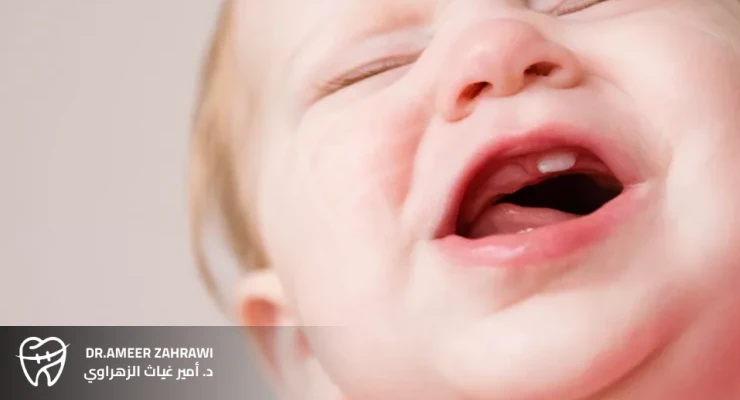
Teething Symptoms in Babies
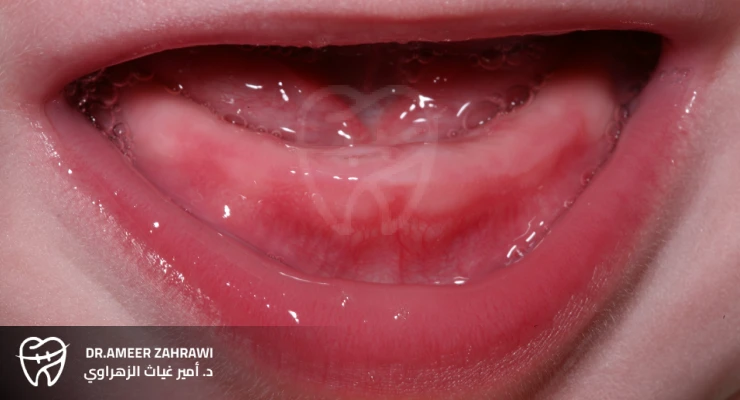
Teething symptoms can differ from one baby to another, but common signs include:
How Can I Manage Teething at Home?
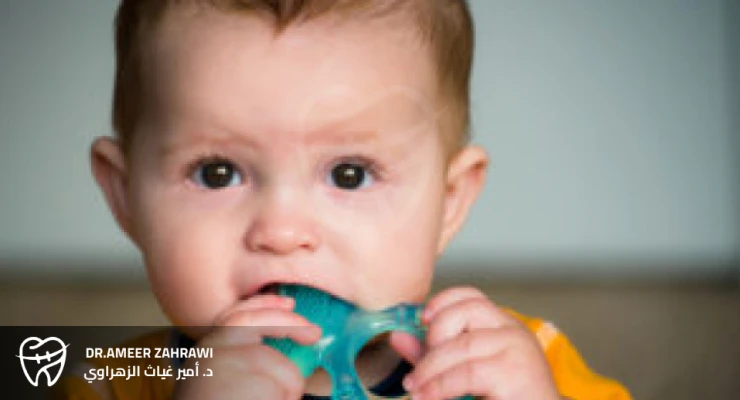
Managing teething at home can be challenging, but it is usually manageable with the right strategies. Here are some ways to help soothe and comfort a teething baby:
When Should I Take My Baby to the Doctor for Teething?
Knowing when to see a doctor during your baby’s teething phase is important to ensure their safety and well‑being. The following warning signs may indicate that it’s time to seek medical advice:
How Do I Take Care of My Baby’s New Teeth?

Caring for your baby’s new teeth is crucial for their oral health and overall well‑being. Here are some key steps to help keep your baby’s teeth healthy and strong: