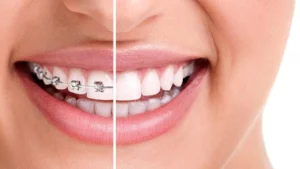
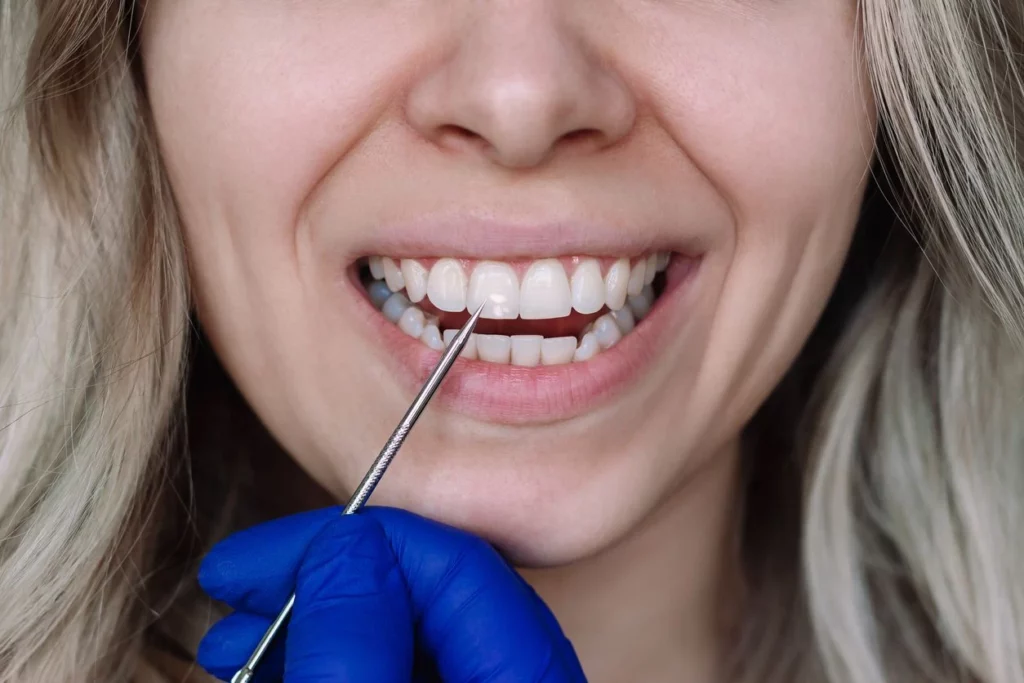
White spots on teeth, often resulting from demineralization and weakened tooth enamel, appear as chalky or opaque areas on the tooth surface. They are not just a cosmetic concern but can also be an early sign of underlying dental problems.Understanding the causes—such as poor oral hygiene, excessive fluoride exposure, or enamel development disorders—is essential for effective prevention and treatment.This article explores the different causes of white spots on teeth and offers practical solutions for managing and preventing this common dental condition.
Table of Contents
What Are White Spots on Teeth?
White spots on teeth are areas of discoloration that appear whiter or brighter than the surrounding enamel. These lesions can vary in size and shape and are often caused by the loss of mineral content from the tooth’s outer enamel layer.
Causes of White Spots on Teeth
Identifying what leads to white spots on teeth is key to both preventing them and choosing the right treatment approach.
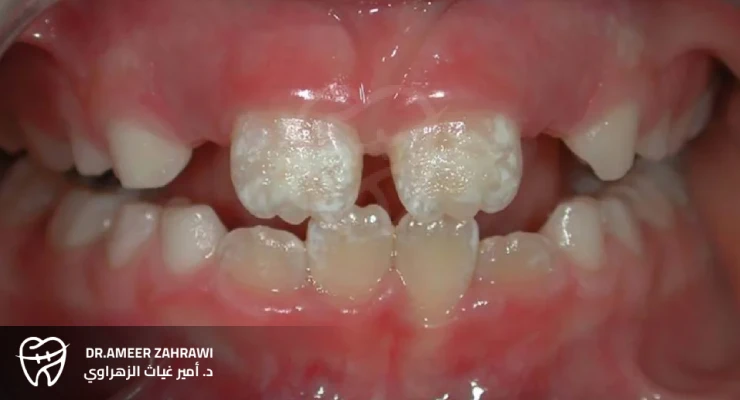
How to Treat White Spots on Teeth
Treatment for white spots on teeth typically focuses on addressing the underlying cause and restoring lost minerals to the enamel. Common treatment options include:
In-Office Dental Treatments:
At-Home Care:
Dietary Changes:
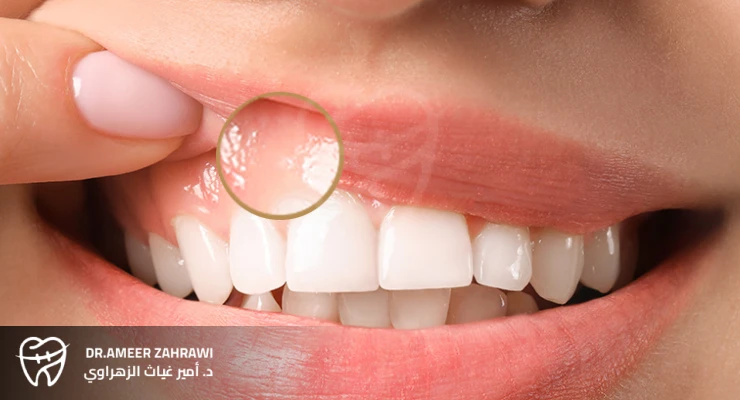
Potential Complications of White Spots on Teeth
White spots on teeth can be associated with several potential issues, including:
How to Prevent White Spots on Teeth
Preventing white spots on teeth involves maintaining good oral hygiene habits, making smart dietary choices, and being mindful of factors that can contribute to enamel demineralization.Brushing: Brush your teeth at least twice a day with a fluoride toothpaste to remove plaque and help prevent demineralization.Flossing: Floss daily to clean between teeth and prevent plaque buildup in hard-to-reach areas.Mouthwash: Use an antimicrobial mouthwash to help reduce oral bacteria and support overall oral health.Limit sugary and acidic foods: Sugary and acidic foods and drinks can contribute to enamel erosion. Try to cut back on soda, candy, and highly acidic fruits.Increase calcium intake: Eating calcium-rich foods such as dairy products, leafy green vegetables, and almonds can help strengthen tooth enamel.Use fluoride toothpaste: Choose a fluoride-containing toothpaste to reinforce enamel and reduce mineral loss.Fluoride treatments: Talk to your dentist about professional fluoride treatments to help remineralize enamel and prevent white spot formation.Drink water: Drinking water helps rinse the mouth and supports healthy saliva production, which is crucial for oral health.Dental checkups: Visit your dentist regularly for professional cleanings and examinations to catch early signs of enamel demineralization.Professional cleanings: Regular professional cleanings help remove plaque and tartar buildup, lowering the risk of white spots.Avoid smoking and excessive alcohol: Smoking and heavy alcohol use can contribute to various dental problems, including white spots. Avoiding these habits can significantly improve oral health.If you wear braces, follow your orthodontist’s oral hygiene instructions carefully to prevent white spots from forming around brackets and wires.
Treatment of White Spots on Teeth in Jeddah

At Dr. Abeer Zendaqi’s clinic in Jeddah, patients can receive effective treatment for white spots on their teeth, a concern that affects many individuals. Each case starts with a comprehensive evaluation to determine the underlying cause of the white spots, which may involve enamel defects, fluoride exposure, or other factors.Treatment options may include professional cleaning, microabrasion, and whitening procedures to help restore a more uniform appearance to the teeth. Dr. Abeer and her team place strong emphasis on patient education and follow-up care to prevent future problems, aiming to help patients achieve a healthier, more confident smile.