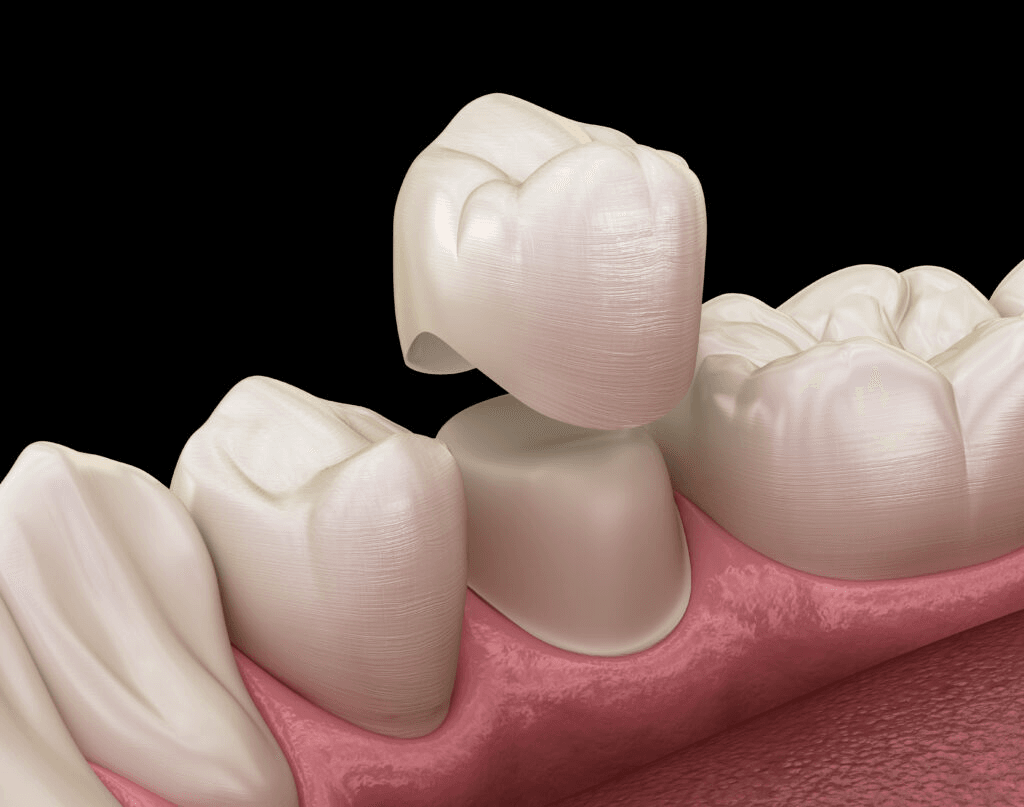
Dental crowns are a vital component of modern dentistry, serving both restorative and cosmetic purposes. These custom-made caps are designed to fully cover damaged or decayed teeth, providing strength, stability, and a natural appearance.Crowns can be fabricated from various materials, including porcelain, metal, or a combination of both, allowing for personalized solutions based on each patient’s clinical needs and aesthetic preferences.The procedure usually involves several steps, including tooth preparation, taking impressions, and placing the crown. This can significantly improve the function and appearance of the tooth. In addition, crowns can be used to protect weakened teeth or restore fractured ones.
Table of Contents
What Are Dental Crowns and How Do They Work?
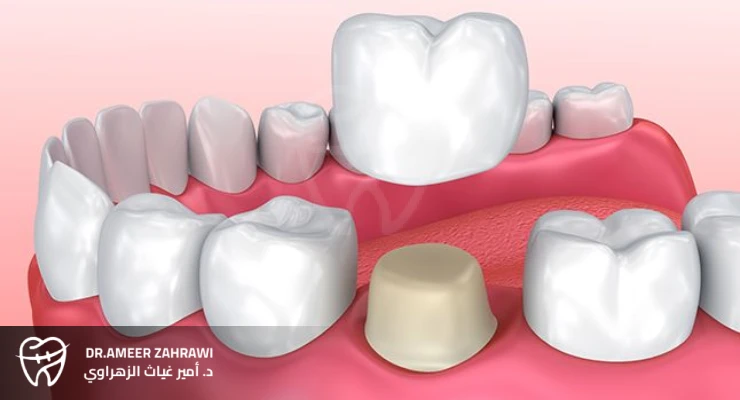
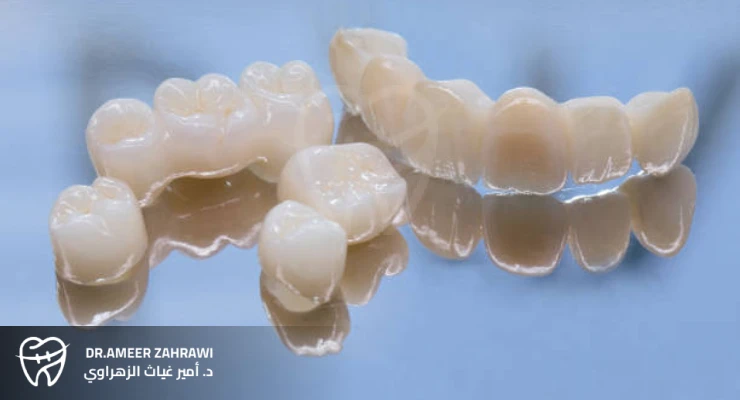
Dental crowns are artificial restorations used to rebuild the shape, size, strength, and appearance of a tooth that has been damaged, decayed, or structurally weakened. They act as a protective cap that completely encases the visible portion of the tooth above the gumline.The primary goals of a dental crown are to reinforce compromised teeth, enhance aesthetics, and restore proper function, making crowns a cornerstone of restorative dentistry.
Types of Dental Crowns
Dental crowns come in several types, each with its own characteristics, advantages, and ideal clinical applications:
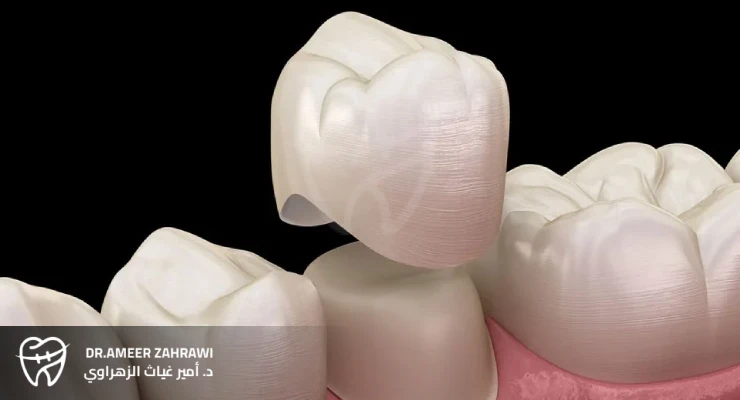
All-Ceramic (All-Porcelain) Crowns
Made entirely from porcelain, these crowns are highly aesthetic and can closely mimic the look of natural teeth.They are ideal for front teeth due to their lifelike appearance, and they are biocompatible and less likely to cause allergic reactions.However, all-ceramic crowns can be less durable than metal-based options and may be more prone to chipping or cracking under heavy biting forces.
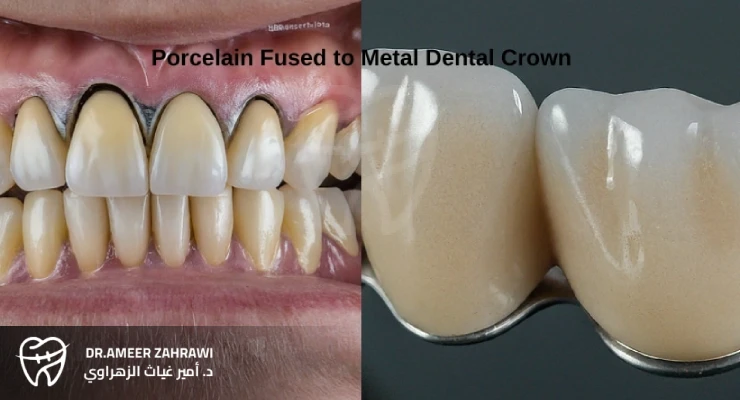
Porcelain-Fused-to-Metal (PFM) Crowns
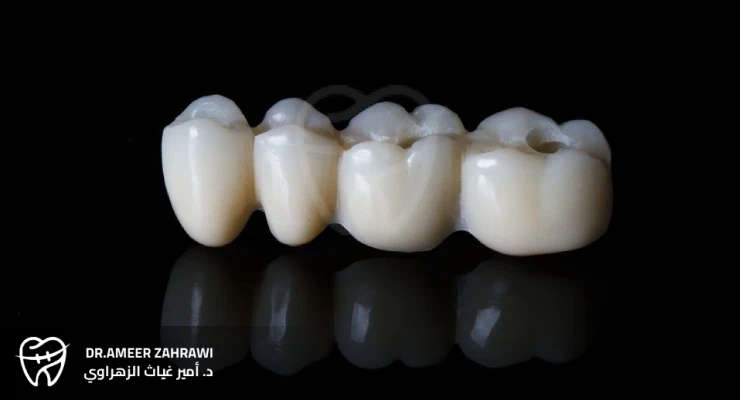
These crowns have a metal substructure for strength, covered with a layer of porcelain for a more natural look.PFM crowns offer a good balance between durability and aesthetics, making them suitable for both front and back teeth.
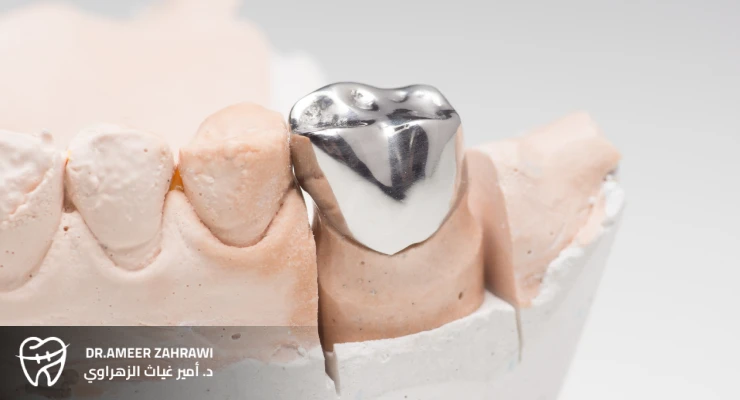
Metal Crowns
Usually made from gold or other metal alloys, these crowns are known for their excellent strength and long-term durability.They are highly resistant to wear and are unlikely to fracture, which makes them especially suitable for molars that endure strong chewing forces.Their metallic appearance is less cosmetic, so they are typically reserved for back teeth that are not highly visible.
Zirconia Crowns
Fabricated from zirconium dioxide, zirconia crowns are a newer option that combine high strength with good aesthetics.They are extremely durable, biocompatible, and resistant to wear, and can be used on both anterior and posterior teeth.Zirconia crowns may be more expensive than other types and often require specialized equipment and techniques for fabrication and placement.
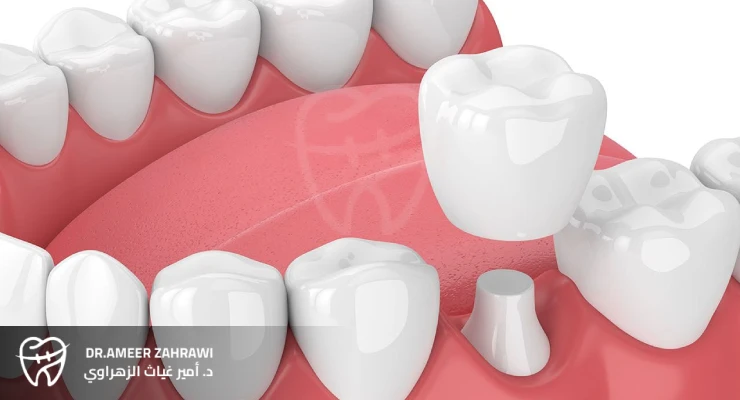
Resin Crowns
Made from composite resin, these crowns are used less frequently but can be a more cost-effective option.They are reasonably aesthetic and can be shaped to blend with the surrounding teeth.However, resin crowns are not as strong as other materials and tend to wear down or fracture more easily over time.
Temporary Crowns
These are provisional crowns placed after tooth preparation and before the final permanent crown is ready.They protect the tooth and maintain appearance and function during the waiting period.Temporary crowns are not designed for long-term use and may not withstand heavy chewing or biting forces.
When Do You Need a Dental Crown?
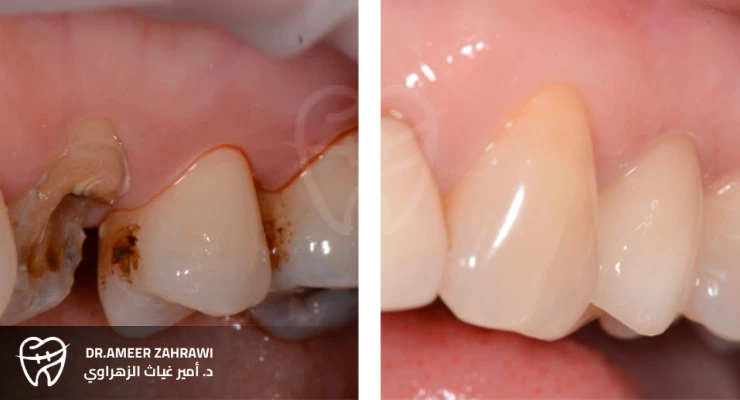
Dental crowns are recommended in a variety of situations where the integrity or appearance of a tooth is compromised. Common indications for placing a crown include, but are not limited to:– Restoring a tooth with extensive decay that cannot be treated adequately with a filling – Protecting a weak tooth from fracture (for example, after root canal treatment) – Repairing a cracked or severely worn tooth – Covering a discolored or misshapen tooth for cosmetic reasons – Supporting and covering a tooth with a large filling when little natural tooth structure remains – Anchoring a dental bridge in place – Restoring a dental implant with a crown on top of the implant abutment
Benefits of Dental Crowns
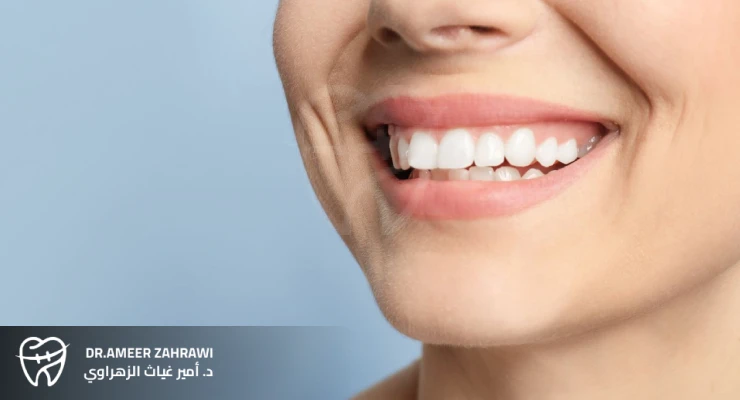
Dental crowns offer a wide range of benefits, making them a popular option in restorative and cosmetic dentistry. Key advantages include:– Restoring strength and function to damaged or weakened teeth – Enhancing the appearance, color, and shape of teeth – Providing long-lasting protection for teeth that have undergone root canal therapy – Improving bite alignment and chewing efficiency – Helping prevent further cracking, wear, or fracture of compromised teeth – Contributing to an overall more attractive and confident smile
How Long Do Dental Crowns Last?
The lifespan of a dental crown can vary significantly depending on several factors, including the crown material, oral hygiene habits, diet, and individual patient factors. In general:– Porcelain-fused-to-metal and metal crowns often last 10–15 years or longer with proper care – Zirconia and high-quality all-ceramic crowns can also provide long-term durability when maintained well – Resin crowns typically have a shorter lifespan due to lower resistance to wear and fractureGood oral hygiene (brushing, flossing, and regular dental checkups), avoiding excessively hard or sticky foods, and managing habits like teeth grinding (bruxism) with a night guard when needed can all extend the life of a crown.
Possible Side Effects and Complications of Dental Crowns
Although getting a dental crown is generally safe and highly effective, some patients may experience side effects or complications. Being aware of these possibilities is important for anyone considering or undergoing crown treatment:– Temporary tooth sensitivity to hot or cold after placement – Discomfort or pain if the bite is slightly off and needs adjustment – Chipping or fracture of porcelain in porcelain or PFM crowns – Loosening of the crown if the cement washes out over time – Decay forming underneath the crown if oral hygiene is poor – Allergic reactions to certain metals in rare casesMost of these issues can be managed or prevented through proper planning, accurate crown fitting, good oral hygiene, and regular follow-up with the dentist.
Dental Crown Placement in Jeddah
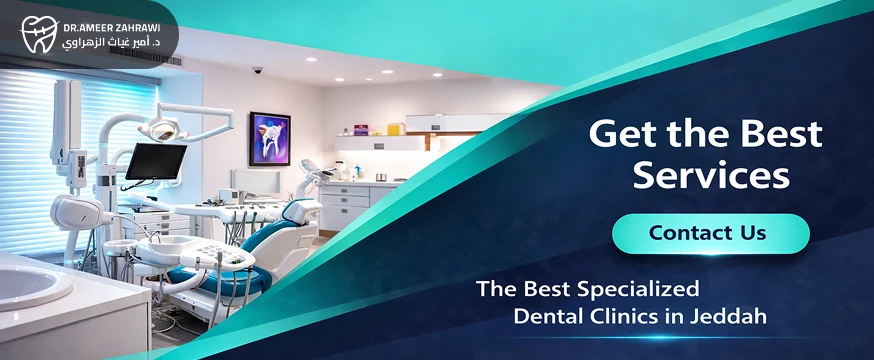
Dr. Abeer specializes in dental crown placement in Jeddah, offering reliable solutions for damaged or weakened teeth. Whether you need a crown due to decay, trauma, or wear, she uses high-quality materials to ensure durability and a natural-looking result.She is committed to making the procedure as comfortable as possible for her patients. Her clinic is equipped with modern technology that supports precise crown fabrication and placement, helping to achieve long-lasting outcomes.If you’re looking to restore the function and appearance of your teeth, Dr. Abeer’s expertise in dental crowns makes her a trusted choice in Jeddah. Schedule a consultation to discuss your needs and take the first step toward improving your smile.