A dental crossbite is a type of malocclusion (misalignment of the teeth) where the upper teeth bite inside the lower teeth. It is influenced by genetic, developmental, and behavioral factors. Treatment options range from traditional braces and clear aligners to surgical interventions, depending on the severity of the condition. Correcting a crossbite is essential for improving oral health, jaw function, and facial aesthetics.
Table of Contents
What Are Dental Bites (Occlusion)?
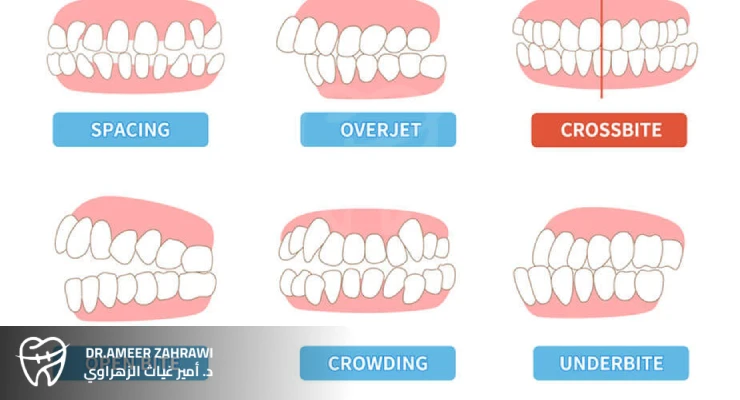
“Bite” or occlusion refers to how the upper and lower teeth come together when the mouth is closed. Proper occlusion (correct alignment of the teeth and jaws) is crucial for efficient chewing, clear speech, and overall oral health. When the bite is off, it can lead to various dental problems, discomfort, and aesthetic concerns. Understanding the different bite types helps in diagnosing and treating malocclusion.
Types of Dental Bites
1. Normal Bite
In a normal bite, the upper front teeth slightly overlap the lower front teeth, and the upper and lower molars fit together properly. This alignment allows for efficient chewing and healthy jaw function.
2. Overbite
An overbite occurs when the upper front teeth significantly overlap the lower front teeth. In more severe cases, this can cause jaw discomfort and cosmetic concerns.
3. Underbite
An underbite is characterized by the lower front teeth protruding beyond the upper front teeth. This misalignment can affect jaw function and lead to difficulties with speech and chewing.
4. Crossbite
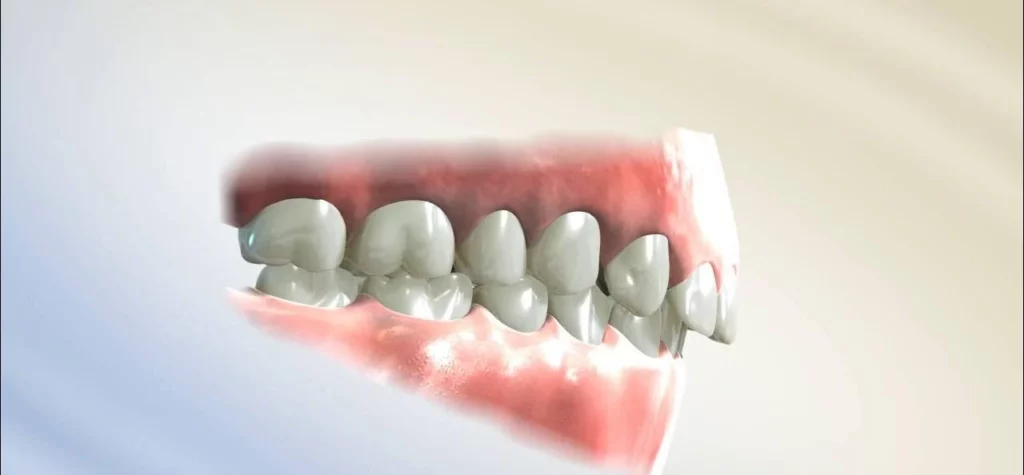
A crossbite occurs when one or more upper teeth bite inside the lower teeth instead of outside. It can be anterior (involving the front teeth) or posterior (involving the back teeth). This type of malocclusion can cause uneven tooth wear and jaw discomfort.
5. Open Bite
An open bite is when the upper and lower teeth do not touch when the mouth is closed, leaving a gap between them. It can result from habits such as thumb sucking or prolonged pacifier use and may affect chewing and speech.
6. Deep Bite
A deep bite (deep overbite) refers to an excessive vertical overlap of the upper front teeth over the lower front teeth, often covering them significantly. This can lead to wear on the lower teeth and jaw discomfort.
7. Crowded Bite
Dental crowding occurs when there is not enough space in the jaw for all the teeth to align properly, causing teeth to overlap or be misaligned.
The Importance of a Proper Jaw Bite
Correct alignment of the jaws and teeth (proper occlusion) is critical for several reasons that directly impact oral health and overall well-being, including efficient chewing, clear speech, reduced strain on jaw joints and muscles, and easier oral hygiene and maintenance.
What Is a Crossbite?
A crossbite is a specific type of malocclusion in which one or more upper teeth bite inside the lower teeth instead of overlapping them correctly. This misalignment can occur at the front of the mouth (anterior crossbite) or the back (posterior crossbite), and may involve a single tooth or multiple teeth.
Types of Crossbite
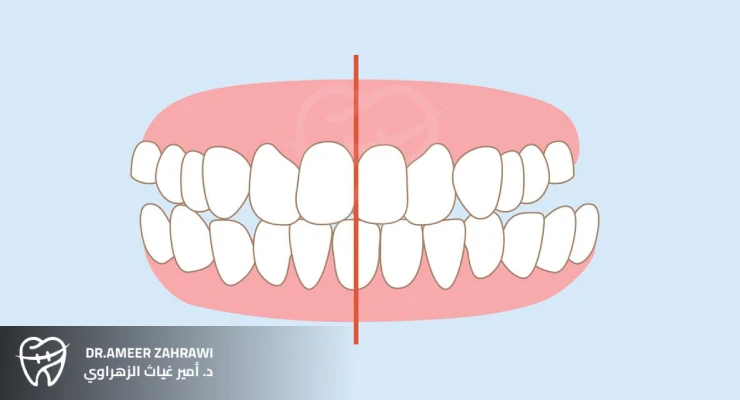
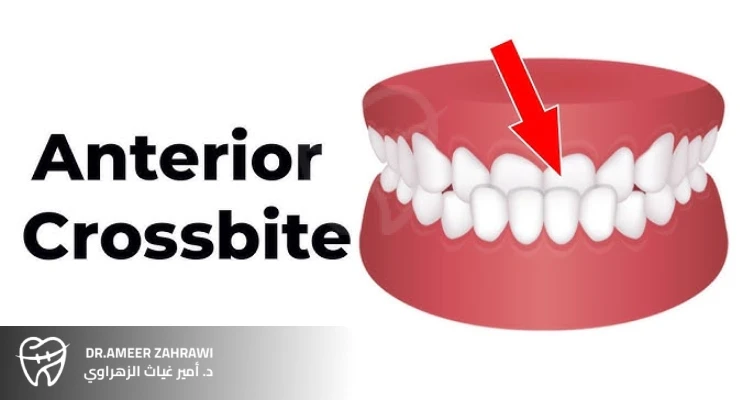
1. Anterior Crossbite
This occurs when one or more of the upper front teeth are positioned behind the lower front teeth when biting down. It can lead to aesthetic concerns and functional problems with biting and chewing.
2. Posterior Crossbite
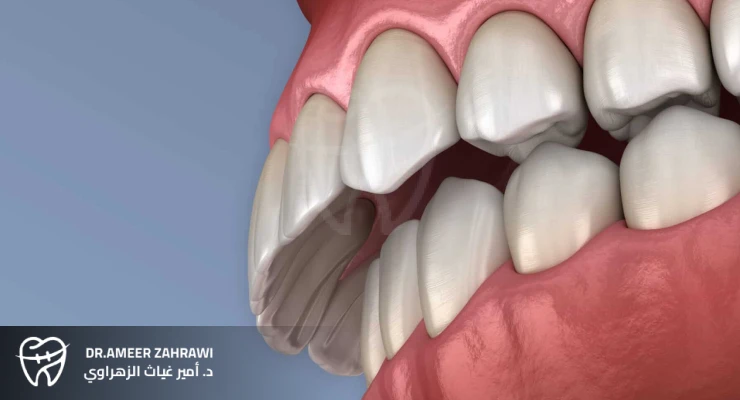
This type involves the back teeth, where one or more upper molars or premolars bite inside the lower molars or premolars. This misalignment can cause uneven tooth wear, discomfort, and jaw strain.
Is a Crossbite Dangerous for the Jaw?
A crossbite can pose a real risk to the jaw and its related structures. While not every crossbite leads to serious complications, it can cause a range of problems that impact oral health and overall quality of life. Some reasons a crossbite can be harmful to the jaw include:When a crossbite is present, the jaw may not close properly. This misalignment can place excessive strain on the jaw muscles and the temporomandibular joints (TMJ).The temporomandibular joint connects the jawbone to the skull and allows the movements required for chewing and speaking. A crossbite can alter the normal function of this joint, leading to conditions such as:– Pain and discomfort: Chronic pain in the jaw, neck, and shoulders. – Clicking or popping sounds: Noises during jaw movement may indicate joint dysfunction. – Limited jaw movement: Difficulty fully opening or closing the mouth.The muscles that control jaw movement may become strained due to compensatory movements caused by the crossbite. This muscle tension can lead to:– Frequent headaches: Tension-type headaches are common in individuals with jaw strain. – Facial pain: Discomfort can radiate to the face, especially around the jaw area.A crossbite can create uneven pressure on the teeth, leading to excessive wear on certain teeth. This may result in:– Chipped or cracked teeth: Increased risk of tooth fractures. – Tooth sensitivity: Enamel wear can cause sensitivity to hot, cold, or sweet foods and drinks.Proper alignment is essential for effective chewing and clear speech. A crossbite can interfere with these functions and may lead to:– Difficulty chewing: Inefficient chewing can contribute to digestive problems. – Speech issues: Misalignment can affect pronunciation and clarity.If left untreated, a crossbite can progress and contribute to more serious dental issues, including:– Gum recession: Increased risk of periodontal problems due to abnormal tooth positioning. – Tooth loss: Ongoing wear and dental complications can eventually lead to losing teeth.
Side Effects of a Crossbite
A crossbite can have multiple side effects that go beyond the immediate discomfort of misaligned teeth. These may include jaw pain, headaches, tooth wear, gum problems, aesthetic concerns, and difficulties with chewing and speech, depending on the severity and location of the crossbite.
Treatment Options for Crossbite
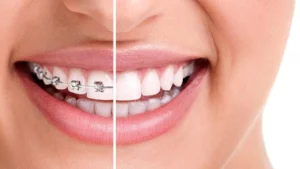
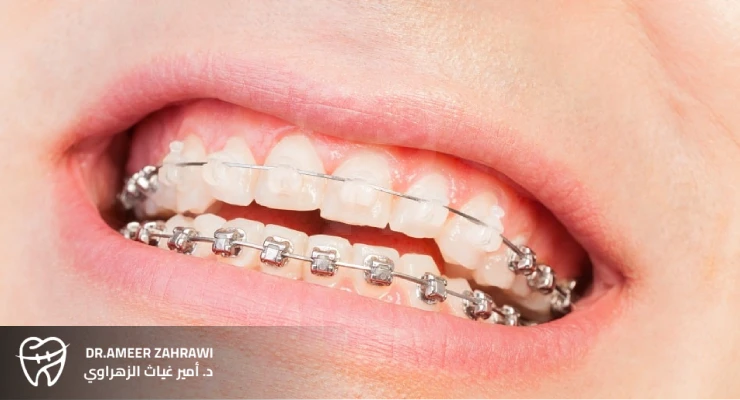
Treating a crossbite is essential to restore proper tooth alignment, improve jaw function, and enhance overall oral health. The treatment approach varies based on the severity of the crossbite, the patient’s age, and individual dental needs. Below is an overview of common crossbite treatment options:A. Orthodontic Braces– Traditional metal braces: The most common orthodontic method for correcting a crossbite. Brackets are bonded to the teeth and connected with archwires that gradually move the teeth into proper alignment.– Ceramic braces: Similar to metal braces but made from clear or tooth-colored materials, offering a more aesthetic option.– Lingual braces: These braces are placed on the back (lingual side) of the teeth, making them less visible. They can effectively treat crossbites while maintaining a discreet appearance.B. Clear Aligners (e.g., Invisalign)Clear aligners are a popular alternative to traditional braces, especially for mild to moderate crossbite cases. These custom-made, removable trays gradually shift the teeth into their desired positions while offering better aesthetics and convenience.Palatal ExpanderA palatal (upper jaw) expander is a device used to widen the upper jaw to create more space for the teeth and correct certain types of crossbite. It is particularly effective in children and teenagers, whose jaws are still developing.Orthognathic (Jaw) SurgeryIn severe crossbite cases, especially those involving significant jaw discrepancies, surgical intervention may be necessary. Orthognathic surgery repositions the jaws to achieve correct alignment and improve both function and facial balance.Retention (Retainers)After active orthodontic treatment is completed, retainers are used to maintain the new tooth alignment. They help prevent the teeth from shifting back to their original, misaligned positions.Functional AppliancesFunctional appliances are devices designed to correct the relationship between the upper and lower jaws by guiding jaw growth. They can be especially beneficial for children with growing jaws.Examples include the Herbst appliance and Twin Block appliance. These devices help reposition the jaw and can address mild to moderate crossbites.Early InterventionIn some cases, early intervention can prevent a crossbite from developing or reduce its severity. Parents should monitor their child’s dental development and consult an orthodontist if they notice signs of misalignment, or habits such as thumb sucking or prolonged pacifier use that may affect the bite.
Crossbite Treatment in Jeddah
Dr. Amir Al-Zahrawi provides comprehensive crossbite treatment in Jeddah, with a strong focus on personalized care and the use of advanced techniques to help patients achieve proper alignment and an improved bite. Dr. Amir understands how a crossbite affects both function and appearance, and works closely with each patient to develop an effective treatment plan.Whether through traditional braces, clear aligners, or other orthodontic methods, his goal is to restore comfort and confidence in every smile. Schedule a consultation today to learn more about how Dr. Amir can help you.