Teeth grinding, medically known as bruxism, is a common condition that affects many people, often without them even realizing it. Bruxism usually occurs during sleep and can lead to serious complications if left untreated.Understanding what triggers this involuntary behavior is crucial for addressing the problem effectively. Stress, anxiety, and misaligned teeth are among the main factors linked to teeth grinding.In this article, we’ll explore the importance of seeking professional guidance to manage stress and improve oral health, ultimately leading to healthier and more restful sleep.
Table of Contents
What Is Teeth Grinding?
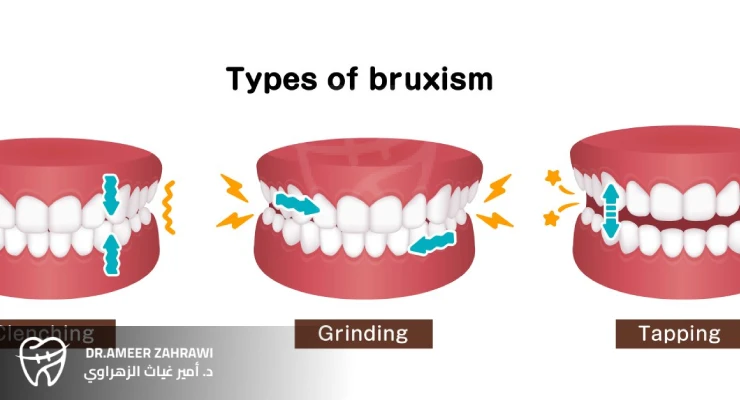
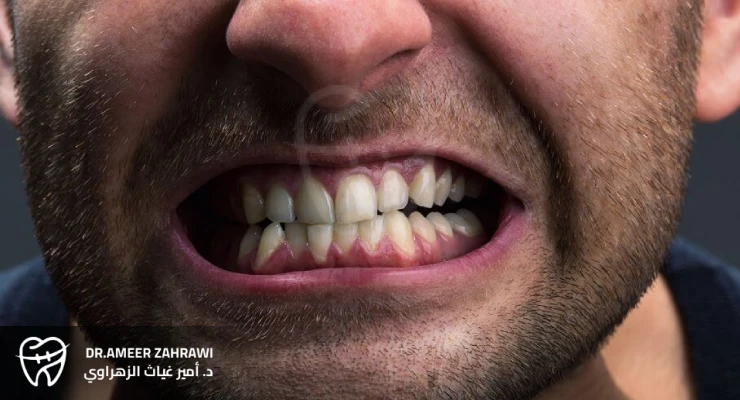
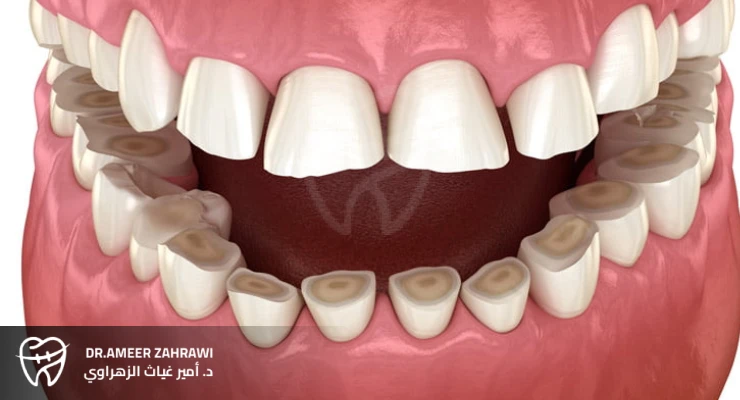
Teeth grinding is a habitual condition characterized by involuntary clenching or grinding of the teeth. It most often occurs during sleep, but it can also happen while you’re awake. Bruxism can place excessive pressure on the teeth, jaw muscles, and surrounding structures, potentially leading to various dental and health problems if not properly managed.
Symptoms of Teeth Grinding
Recognizing the symptoms is essential for early detection and timely intervention to prevent further damage to the teeth and surrounding structures. Consulting a dentist and exploring appropriate treatment options can help manage bruxism effectively and improve both oral health and overall well‑being.
Causes of Teeth Grinding
How to Stop Teeth Grinding
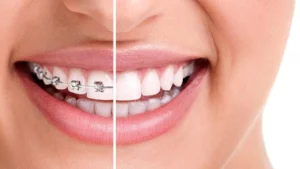
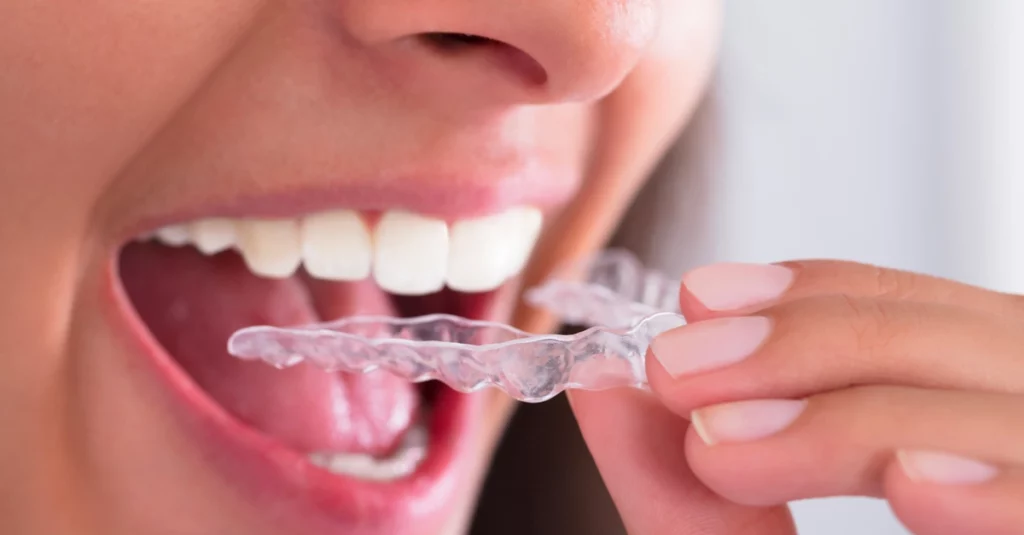
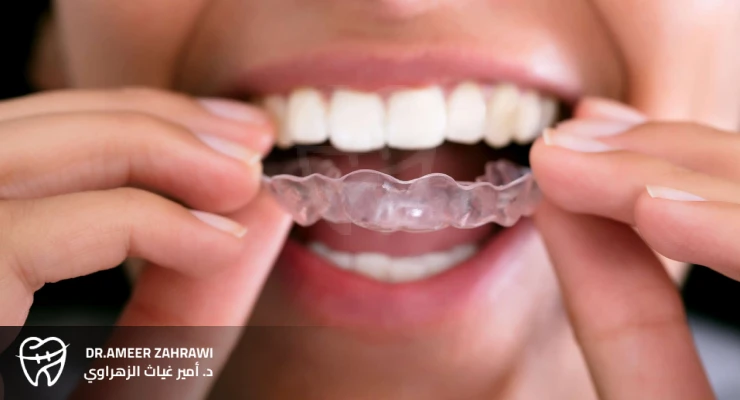
By addressing the underlying causes of bruxism, individuals can significantly reduce or even eliminate this harmful habit, protecting their oral health and overall quality of life.Since stress is one of the main triggers of teeth grinding, learning stress‑reduction techniques—such as mindfulness, meditation, yoga, or counseling—can help ease the tendency to grind your teeth.Cognitive behavioral therapy (CBT) can be effective in addressing the psychological factors that contribute to bruxism and in developing healthier coping mechanisms.A dentist may recommend wearing a night guard or occlusal splint while you sleep to protect your teeth from grinding. These appliances can also help reposition the jaw to reduce muscle tension.In cases where misaligned teeth or bite problems are the underlying cause, orthodontic treatment or restorative dental work may be needed to correct the alignment and relieve bruxism.If medications are suspected to be a contributing factor, your healthcare provider may adjust the dosage or switch you to an alternative drug with fewer side effects related to teeth grinding.Cutting back on alcohol and caffeine, avoiding gum chewing, and practicing relaxation techniques before bedtime can all help lower the likelihood of nighttime grinding.Routine dental checkups allow your dentist to monitor the effects of bruxism on your teeth and jaw, making it possible to intervene early and provide appropriate treatment.
Side Effects of Teeth Grinding
How to Prevent Teeth Grinding

By adopting preventive strategies and seeking appropriate treatment, patients can effectively manage bruxism and minimize its impact on their oral health and overall well‑being.Read also: The Best Cosmetic Dentist in Jeddah