
The dental anesthesia injection is a small but essential tool in dentistry. This slim instrument is much more than a way to relieve pain; it represents precision, care, and a delicate balance between patient comfort and treatment effectiveness. It plays a central role in ensuring a smooth, pain‑free dental experience, allowing dentists to perform complex procedures with accuracy and efficiency.
Table of Contents
What Is a Dental Anesthesia Injection?
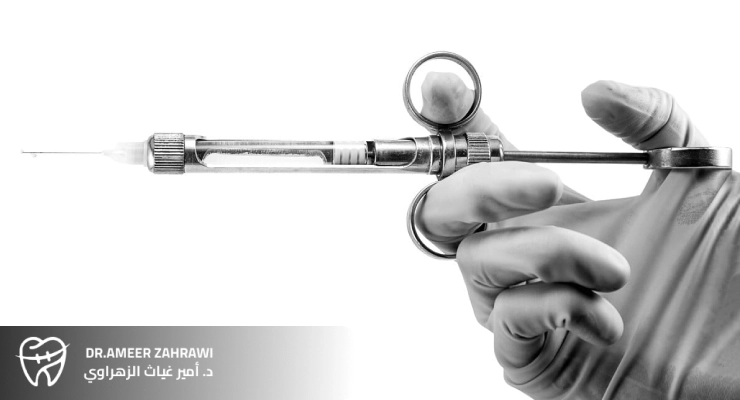
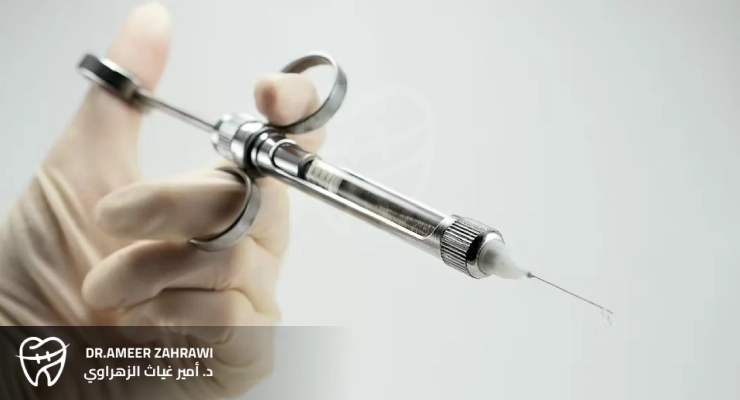
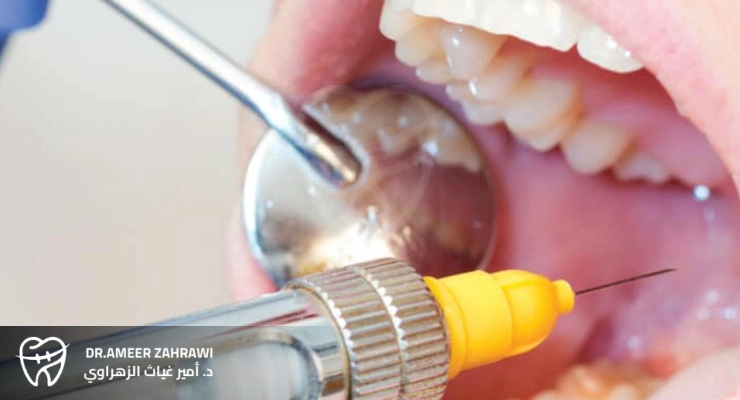
A dental anesthesia injection is a specialized medical tool used by dentists to administer local anesthesia to numb specific areas of the mouth before dental procedures. The needle is typically made of stainless steel with a beveled tip, which allows the anesthetic solution to be delivered accurately to the target area.The needle is attached to a dental syringe containing the anesthetic solution. The dentist injects this solution into the soft tissues of the mouth to block pain signals from reaching the brain during dental treatment.
How Does the Dental Anesthesia Injection Work?
The way a dental anesthesia injection works involves several key steps. When the dentist is ready to administer local anesthesia, they carefully insert the needle into the soft tissues of the mouth, usually near the tooth or area where the procedure will be performed. The beveled tip of the needle helps penetrate the tissue with minimal discomfort to the patient.Once the needle is in position, the dentist slowly and steadily presses the plunger of the syringe, allowing the anesthetic solution to flow out of the needle into the surrounding tissues. The local anesthetic works by blocking the transmission of pain signals along the nerves in that area, effectively numbing it and making it insensitive to pain.As the anesthetic takes effect, the patient typically experiences a temporary loss of sensation in the treated area, allowing the dentist to perform procedures such as fillings, extractions, or root canal treatment with minimal discomfort. The duration of numbness depends on the type and amount of anesthetic used, but it usually lasts long enough to comfortably complete the procedure.
Who Should Avoid Dental Anesthesia?
Although dental anesthesia is routinely used to control pain during dental procedures, it may not be appropriate for everyone. Some individuals may be advised to avoid certain types of dental anesthesia due to specific medical conditions or factors that increase the risk of complications. Examples of people who may be restricted from receiving dental anesthesia include those with certain cardiovascular diseases, severe uncontrolled hypertension, specific allergies to local anesthetics, or particular neurological or metabolic disorders. The dentist will evaluate each patient’s medical history to decide on the safest approach.
Types of Dental Anesthesia
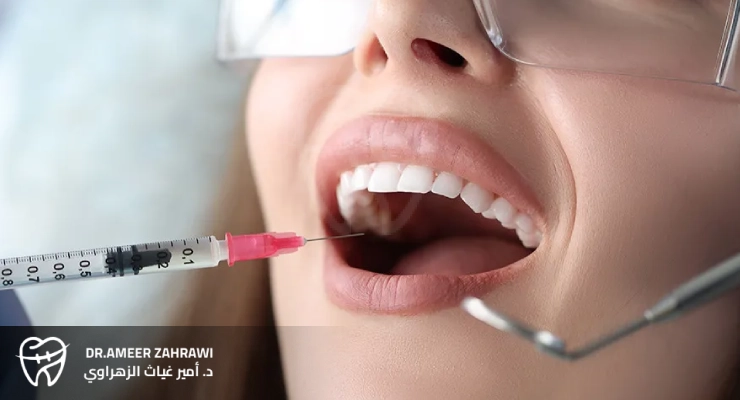
Several types of dental anesthesia are available to help manage pain and discomfort during dental procedures. The choice of anesthetic depends on the nature of the treatment and the patient’s individual needs.Local anesthesia: Local anesthesia is the most commonly used type of anesthetic in dentistry. It is administered by injection to numb a specific area of the mouth, allowing the dentist to work on the teeth or gums without causing pain.
What Are the Side Effects of Using a Dental Anesthesia Injection?
Although dental anesthesia injections are commonly used to deliver local anesthetics and manage pain during dental procedures, they can occasionally be associated with side effects, though these are generally rare. Possible side effects may include temporary soreness at the injection site, minor bruising, prolonged numbness, or in very rare cases allergic reactions or nerve irritation. Most side effects are mild and resolve on their own.
Dental Anesthesia During Pregnancy
Dental anesthesia is generally considered safe for pregnant women when used in standard doses. Local anesthesia is commonly used during dental procedures in pregnancy to numb specific areas of the mouth and control pain. However, dentists often exercise extra caution, especially during the first trimester, as this is a critical period for fetal development.Pregnant women should inform their dentist that they are pregnant and provide details about any medications they are taking or any existing health conditions. Dentists may adjust the type and dosage of anesthetic used to ensure the safety of both the mother and the developing fetus.
How Long Does Dental Anesthesia Last?

The duration of dental anesthesia can vary depending on the type of local anesthetic used, the specific dental procedure being performed, and individual factors such as the patient’s metabolism. In general, the effects of dental anesthesia last from about one to two hours, which is usually enough time to complete most routine dental treatments.For longer procedures, or when extended pain control is needed, dentists may administer additional doses of anesthetic as required. Patients are usually advised to avoid eating or drinking until the numbness has completely worn off to prevent accidentally biting or injuring the numbed area.It is essential for patients to follow the post‑treatment care instructions provided by their dentist to minimize discomfort and ensure proper healing after dental procedures involving anesthesia.Other articles:The Best Dental Implant Specialist in JeddahThe Best Cosmetic Dentist in Jeddah