Replacing missing teeth is a crucial part of dental care. It not only restores a person’s smile, but also supports overall oral health and proper function. From traditional options like dentures and dental bridges to modern solutions such as dental implants, there are many ways to restore lost teeth.This article takes an in-depth look at the different options available for replacing missing teeth, highlighting the benefits and considerations of each approach to help people make informed decisions about their oral health.
Table of Contents
What Is Missing Tooth Replacement and Why Is It Important for Your Oral Health?
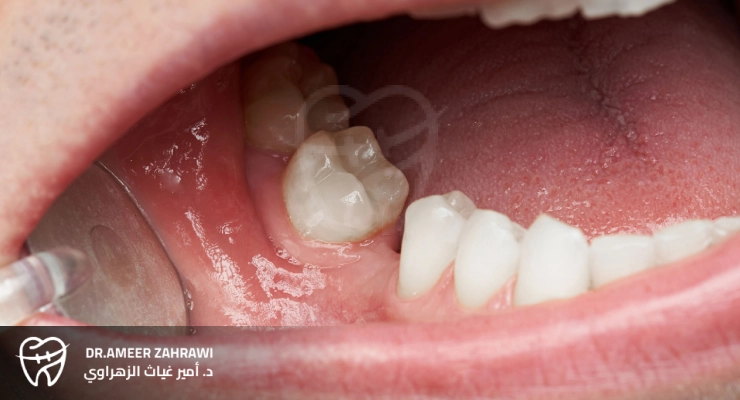
Replacing missing teeth refers to restoring one or more lost teeth using various dental treatments and procedures. When a tooth is lost due to decay, gum disease, trauma, or congenital issues, it can significantly affect a person’s oral health, appearance, and self-confidence.Dentists offer a range of solutions to replace missing teeth with the goal of closing the gaps in your smile, maintaining proper dental function, and preventing potential complications that can arise from tooth loss.
Key Reasons to Replace Missing Teeth and Their Impact on Health
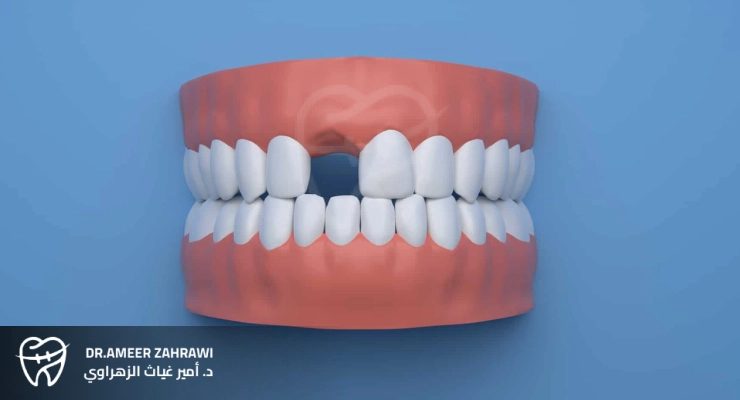
There are several important reasons that make replacing missing teeth necessary, including functional, aesthetic, and health-related factors. Leaving gaps untreated can lead to shifting of adjacent teeth, bite problems, difficulty chewing, speech changes, bone loss in the jaw, and increased risk of further dental issues.
Early Signs and Symptoms of Tooth Loss
Early tooth loss may present with a variety of symptoms that indicate underlying dental problems requiring prompt attention. Common early signs and symptoms related to potential tooth loss include:– Persistent toothache or sensitivity – Swollen, bleeding, or receding gums – Loose or shifting teeth – Difficulty chewing or biting – Changes in the way your teeth fit together when you bite – Bad breath or a bad taste that doesn’t go away
Drawbacks and Limitations of Replacing a Missing Tooth
Although replacing missing teeth is essential for maintaining oral health and function, each replacement option has its own limitations and potential drawbacks, such as:– Higher costs for some treatments (especially dental implants) – Need for multiple appointments and surgical procedures – Possible adjustments or repairs over time (for bridges and dentures) – Adaptation period to get used to dentures or new restorations – Risk of complications such as infection, implant failure, or damage to adjacent teeth, depending on the procedure
How Is Tooth Loss Treated?
Treating tooth loss involves different dental procedures designed to restore missing teeth and support overall oral health. Common treatment options for replacing missing teeth include:
Dental Implants
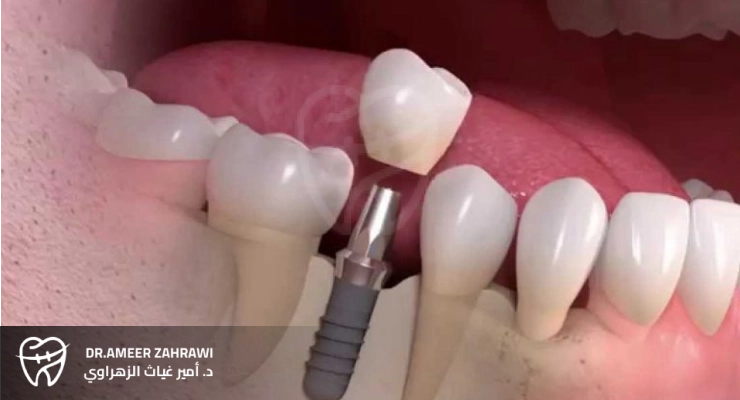
Dental implants are a popular and highly effective long-term solution for replacing missing teeth. The procedure involves surgically placing an artificial tooth root (implant) into the jawbone, which then serves as a stable foundation for a replacement tooth (crown). Dental implants closely mimic the look, feel, and function of natural teeth.Learn more about our Dental Implant services.
Dental Bridges
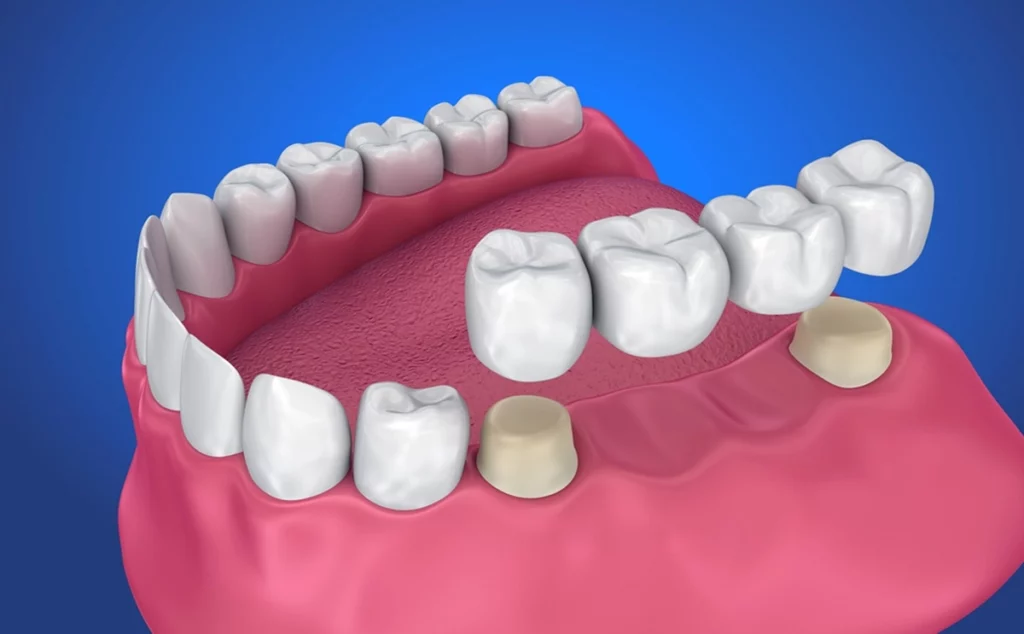
Dental bridges involve placing an artificial tooth (or teeth) between two crowns that are attached to neighboring natural teeth or dental implants. Bridges are used to fill the space left by missing teeth, restoring both function and appearance.
Dentures
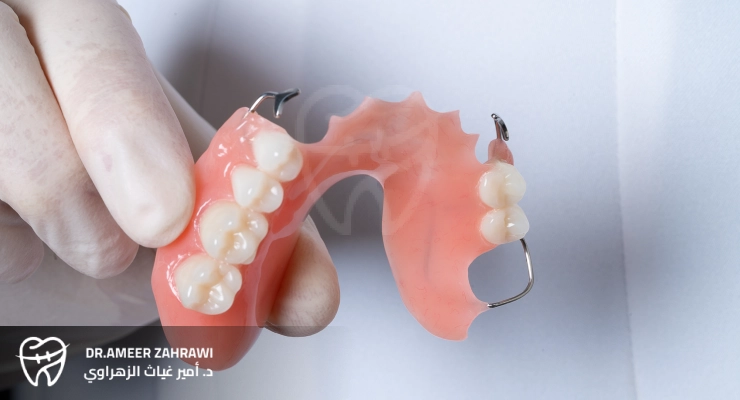
Dentures are removable prosthetic devices that can replace multiple missing teeth (partial dentures) or a full arch of teeth (complete dentures). They are custom-made to fit comfortably in the mouth, restore chewing ability, and improve the appearance of the smile.You may also be interested in: What Are Dentures and How to Choose the Best Type for You
Implant-Supported Dentures
These are dentures that are secured to dental implants rather than resting solely on the gums. Implant-supported dentures offer greater stability and help prevent issues such as slipping or shifting, which can occur with conventional dentures.
Partial Dentures
Partial dentures are used when some natural teeth remain in the mouth. They can be removable or fixed and are designed to fill the spaces left by missing teeth, restoring both function and aesthetics.
Bone Grafting
In cases where the jawbone has deteriorated or lost volume due to tooth loss, bone grafting procedures may be necessary to rebuild and strengthen the bone before placing dental implants.
Gum (Periodontal) Treatments
If tooth loss is caused by gum disease or other periodontal problems, treatments such as scaling and root planing (deep cleaning), antibiotic therapy, or surgical procedures may be required to restore gum health and prevent further tooth loss.
How to Prevent Tooth Loss
Preventing tooth loss depends on maintaining good oral hygiene habits and seeking timely dental care to address problems as they arise. Key steps to help prevent tooth loss include:– Brushing teeth at least twice a day with fluoride toothpaste – Flossing daily to remove plaque between teeth and along the gumline – Visiting the dentist regularly for checkups and professional cleanings – Treating cavities, gum disease, and dental issues early – Wearing a mouthguard during sports or if you grind your teeth at night – Avoiding smoking and tobacco products, which increase the risk of gum disease and tooth loss
Get Ready for a Perfect Smile with Advanced Solutions for Missing Teeth
Losing a tooth doesn’t mean the end of your smile; it can be the start of restoring it in a healthier and more beautiful way. At Dr. Ameer Ghayyath Al-Zahrawi Clinic, we offer the latest techniques in dental implants, bridges, and advanced dentures, while maintaining the highest standards of quality and comfort.We’re committed to providing customized treatment plans tailored to your individual case—from a comprehensive consultation through completion of your treatment—with careful follow-up after the procedure to ensure the best possible results. Your smile is an investment in your confidence and appearance, and we’re here to help you achieve that safely and expertly.Book your appointment now and enjoy a natural-looking smile that reflects your personality, supported by exceptional care and comprehensive service from a team of specialized dentists. We believe that your oral health is the key to your happiness and quality of life.
FAQ Section
What is the best way to replace missing teeth?
The best option depends on your oral condition, the number of missing teeth, and the health of your gums and jawbone. In general, dental implants are considered the most stable and long-lasting solution, while dental bridges and dentures are effective alternatives when implants are not suitable.
Are dental implants painful?
No. Dental implant surgery is performed under local anesthesia, so you shouldn’t feel pain during the procedure. Some mild discomfort or swelling may occur afterward, but this is usually manageable with pain medication prescribed by your dentist.
How long do dental bridges last?
Dental bridges typically last between 7 and 15 years with proper care, and they can last even longer if you maintain good oral hygiene and attend regular dental checkups.
Does insurance cover the cost of tooth replacement?
It depends on your insurance company and specific plan. Some plans cover part of the cost of dentures or bridges, while dental implants are often not covered, or only partially covered, except under certain insurance plans.