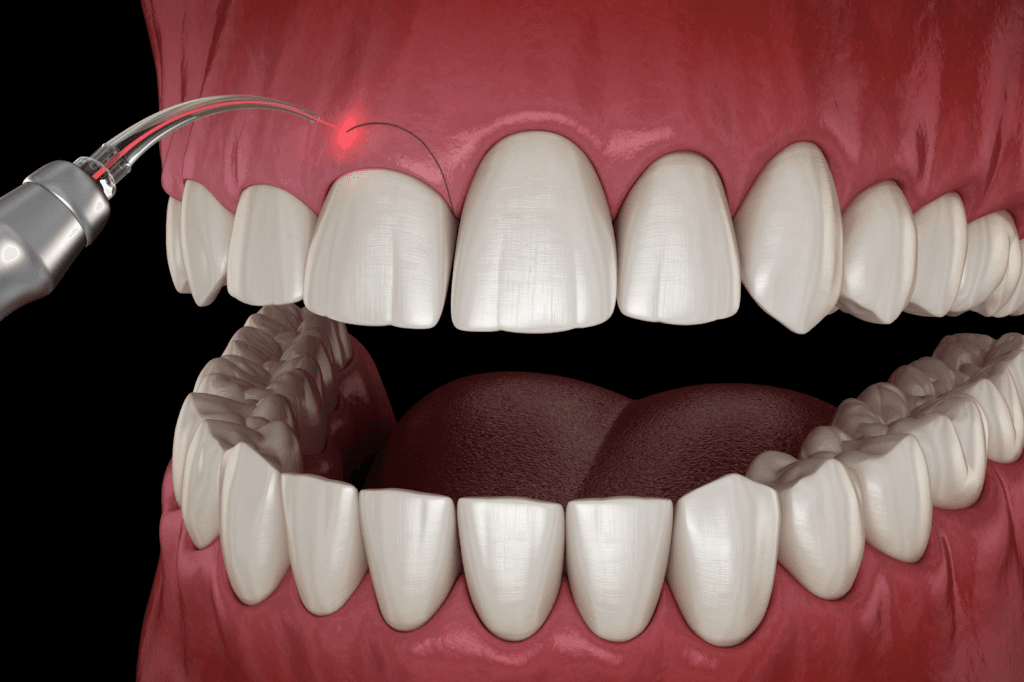
Gingivectomy is a surgical procedure designed to remove and reshape gum tissue, helping treat a range of oral health issues with precision and effectiveness.This article takes an in‑depth look at gingivectomy, highlighting its many benefits—from managing advanced gum disease to enhancing the appearance of your smile. By exploring the details of this procedure, readers will better understand how gingivectomy can transform gum health, rebalance the gum line, and support various dental treatments.
Table of Contents
What Is a Gingivectomy and Why Is It Performed?
A gingivectomy is a surgical procedure performed by a dentist or periodontist to remove and reshape gum tissue. It is often done to treat different gum-related problems and to improve both the health and appearance of the gums.
When Is a Gingivectomy Needed?
Gingivectomy is a versatile procedure that can be necessary for both therapeutic and cosmetic reasons. It addresses a variety of gum problems and plays a key role in improving oral health as well as the aesthetics of the smile.
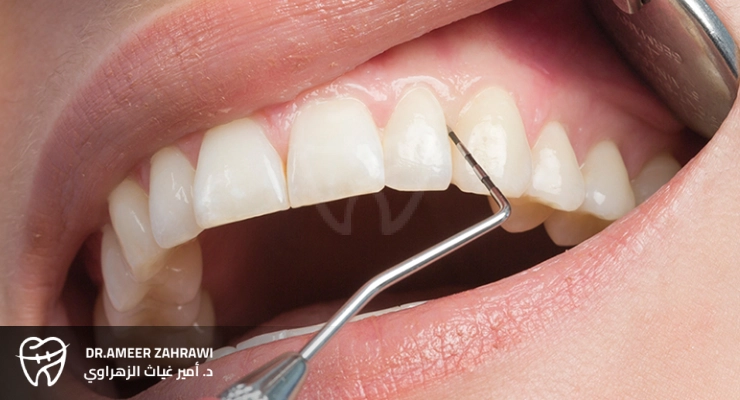
Types of Gingivectomy and Gum Contouring Procedures
Gingivectomy
This is a surgical procedure in which the dentist or periodontist removes and reshapes gum tissue to treat periodontal (gum) disease, improve esthetics, or facilitate other dental procedures. It is typically performed using a surgical scalpel or a dental laser.
Gum Contouring (Cosmetic Gum Reshaping)
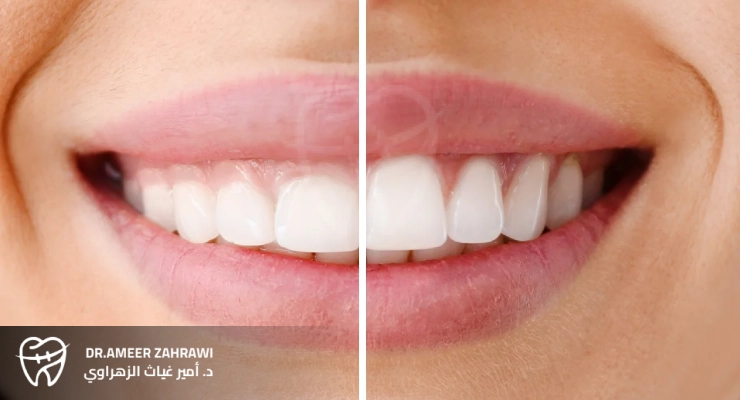
This procedure focuses on reshaping the gum tissue to improve its appearance without necessarily removing large amounts of gum. It is commonly performed for cosmetic reasons or to correct minor irregularities along the gum line.
Crown Lengthening
Crown lengthening involves removing and reshaping gum tissue (and sometimes a small amount of bone) to expose more of the tooth structure. It is often done to provide enough tooth surface for placing a dental crown or bridge, or to correct a “gummy smile.”
Gum Recontouring
Also known simply as gum reshaping, this procedure involves removing or reshaping gum tissue to create a more even, symmetrical, and attractive gum line around the teeth.
Pocket Reduction Surgery
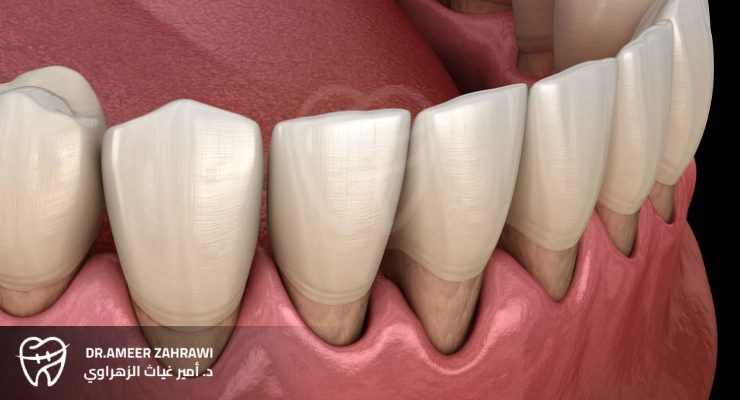
In advanced periodontal disease, deep pockets can form between the teeth and gums. Gingivectomy techniques may be used as part of pocket reduction surgery to eliminate these periodontal pockets, making the area easier to clean and promoting healthier gums.
Possible Side Effects of Gingivectomy
Preventing Gum Problems and Reducing the Need for Gingivectomy
By following preventive measures and maintaining excellent oral hygiene, individuals can significantly lower their risk of gum problems that might require gingivectomy or other surgical interventions, while supporting better overall oral health and well‑being.
Benefits of Gingivectomy for Oral Health and Esthetics
Preparing for Gingivectomy: Essential Steps for a Successful Procedure
Proper preparation before undergoing a gingivectomy is the first step toward achieving the best possible results and minimizing potential risks. Here are the key points to consider:1. Specialist consultation: Always start with a thorough evaluation by your dentist or periodontist. During this visit, the doctor will examine your gums, take dental X‑rays if needed, and discuss the reasons for the procedure and each step involved. This consultation is also important to clarify your expectations and talk about the desired final outcome.2. Stopping smoking and alcohol: Smoking and alcohol are major factors that impair healing of oral tissues. It’s recommended to quit smoking at least two weeks before the procedure and to avoid alcohol, as both can slow the healing process and increase the risk of infection.3. Professional dental cleaning: Your dentist may recommend a professional cleaning before surgery to remove plaque and tartar (calculus). This helps lower the risk of complications during and after the procedure.4. Adjusting medications: If you are taking blood thinners or medications for chronic conditions such as diabetes or high blood pressure, you must inform your doctor. In some cases, the dosage may need to be adjusted or certain medications paused temporarily to reduce the risk of bleeding or other complications.5. Mental preparation and planning for recovery: Prepare a comfortable environment at home for the recovery period. Make sure you have soft foods, nutritious drinks, and any care items you may need afterward, such as saline rinses or cold packs.
Recovery and Aftercare Following Gingivectomy: How to Heal Quickly and Safely
The recovery phase after gingivectomy is just as important as the procedure itself, as it determines how successful the treatment will be and how quickly your mouth returns to normal. Here are key tips for optimal healing:1. Strictly follow your dentist’s instructions: After surgery, your dentist will provide detailed home‑care guidelines, including prescribed medications such as pain relievers and antibiotics. Following these instructions reduces the risk of infection and speeds up wound healing.2. Pain and swelling management: It is normal to experience some pain or discomfort for a few days after the procedure. Pain can usually be controlled with prescribed or recommended pain medications. Applying cold compresses to the outside of the face on the first day can help reduce swelling.3. Choosing the right foods: In the first few days, avoid hard, crunchy, or chewy foods that might irritate the gums or disturb the surgical site. Stick to soft foods like soups, yogurt, and natural juices, and make sure they are at a moderate temperature—not too hot or too cold.4. Careful oral hygiene: Avoid brushing directly over the surgical area during the first days, but continue gently brushing the rest of your teeth to maintain good oral hygiene. Rinsing with warm salt water as directed by your dentist can help reduce inflammation and promote healing.5. Avoid harmful habits: Do not smoke during the recovery period, as it slows tissue healing and increases the risk of complications. Also avoid strenuous physical activity in the first few days to prevent bleeding or delayed healing.6. Monitor your symptoms: If you notice prolonged bleeding, severe swelling, or a fever, contact your dentist immediately, as these can be signs of infection or other complications that require prompt medical attention.7. Follow‑up visits: Do not skip your follow‑up appointments. These visits are essential for assessing healing progress and ensuring that there are no post‑operative problems.
Why Choose Dr. Abeer Zandaqi for Your Gingivectomy Procedure?
When it comes to your smile and gum health, you deserve the highest standard of care. Dr. Abeer Zandaqi is considered one of the leading names in cosmetic and restorative dentistry in Jeddah, combining extensive experience with modern techniques to deliver results that go beyond expectations.In her clinic, gingivectomy is performed using state‑of‑the‑art equipment and advanced technologies that help minimize discomfort and shorten recovery time, with a strong focus on precision gum reshaping to achieve a natural, harmonious look with your teeth. In addition, Dr. Abeer provides comprehensive pre‑treatment consultations to explain every detail and step of the process, giving you full clarity and peace of mind before you decide.Whether you are seeking treatment for advanced gum disease or simply want to improve your smile and correct a gummy smile, Dr. Abeer offers fully customized, integrated solutions tailored to your individual needs. Your smile is worth the investment—and few understand that better than Dr. Abeer Zandaqi.Book your appointment now and get ready for an exceptional dental experience, where health and beauty come together in every detail.