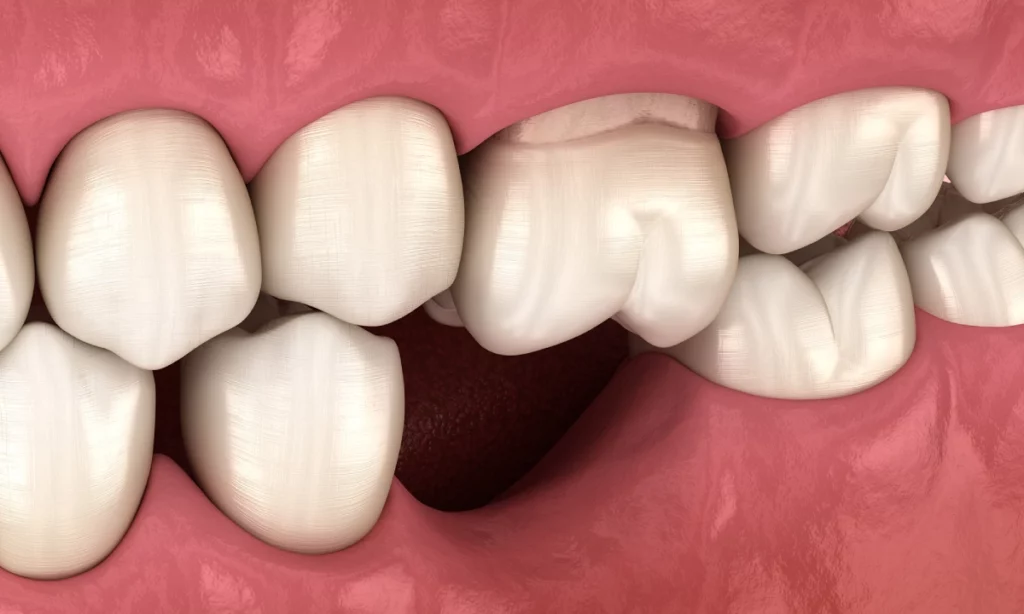
Tooth avulsion, which is the complete displacement of a tooth from its socket, is a true dental emergency that requires immediate attention. It can result from trauma, accidents, or sports injuries and poses significant risks not only to the affected tooth but also to the surrounding oral structures.Timely intervention is critical; when handled correctly and quickly, an avulsed tooth can often be successfully replanted, preserving both function and appearance. Understanding the causes, proper first aid steps, and the importance of professional dental care empowers individuals to act fast in this urgent situation, protect their oral health, and reduce long-term complications.
Table of Contents
Overview of Tooth Avulsion
Tooth avulsion refers to the complete removal of a tooth from its socket due to trauma or injury, most commonly occurring during sports-related incidents, falls, or accidents. This dental emergency requires prompt care, as the chances of successful replantation drop significantly over time.When a tooth is knocked out, it must be handled with great care—only by the crown (the white, visible part), avoiding any contact with the root to preserve the periodontal ligament cells. The tooth may be gently rinsed with saline solution or clean water, but it should not be scrubbed or dried.The ideal way to transport an avulsed tooth is to reposition it back into its socket if possible, or to keep it in a suitable storage medium such as saline solution or milk to maintain moisture.Seeking professional dental care within 30 minutes is vital. A dentist can assess the condition of the tooth and surrounding tissues, determine the best course of treatment, and maximize the chances of successful reimplantation.
Causes of Tooth Avulsion
Tooth avulsion, the complete displacement of a tooth from its socket, can occur for a variety of reasons, ranging from genetic predisposition to lifestyle factors.Some individuals may inherit traits that lead to weaker enamel or dentin, increasing the risk of avulsion. Genetic conditions that affect jaw alignment can also make teeth more susceptible to trauma.Gum disease (periodontal disease) can damage and break down the supporting tissues around the teeth, making them more vulnerable to being dislodged by relatively minor trauma. Chronic inflammation of the gums can loosen teeth, raising the risk of avulsion.Read more: Gum Disease: Causes, Symptoms, and Prevention for Optimal Oral HealthAdvanced tooth decay weakens the tooth structure, making it more prone to being knocked out. Large cavities can cause structural failure during an impact, leading to avulsion.As people age, bone density tends to decrease, which can affect tooth stability. Aging may also cause gum recession, exposing the tooth roots and increasing the risk of tooth loss and avulsion.Falls, sports injuries, and accidents are among the most common direct causes of tooth avulsion, especially in children and physically active individuals.Smoking is strongly associated with gum disease and reduced blood flow to the gums, which negatively affects the support around the teeth. Smokers may also have higher rates of tooth decay, further increasing the risk of tooth avulsion.
Symptoms of Tooth Avulsion and How to Recognize It
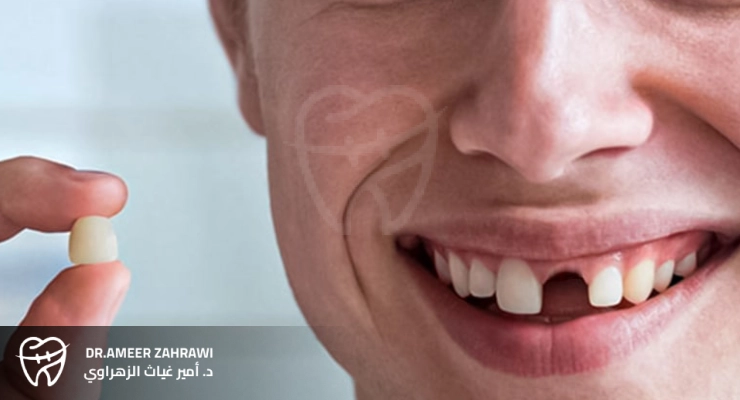
Recognizing the signs of tooth avulsion is crucial for rapid intervention and appropriate treatment. When a tooth is completely displaced from its socket, several clinical signs can indicate the severity of the injury and help distinguish avulsion from other dental problems.These may include a visible empty socket, bleeding from the area, sudden pain at the time of injury, swelling of the gums or surrounding tissues, and difficulty biting or closing the mouth normally. Prompt recognition of these signs allows for faster response and better outcomes.
How to Prevent Tooth Avulsion
Preventing tooth avulsion is essential for maintaining good oral health, particularly for individuals who participate in activities that pose a higher risk of dental trauma.Wearing a properly fitted mouthguard during contact sports, avoiding habits such as chewing on hard objects (ice, pens, hard candy), maintaining good oral hygiene to prevent gum disease, and scheduling regular dental checkups can all help reduce the risk of teeth being knocked out.
Best Treatments for Tooth Avulsion
Tooth avulsion is a serious condition that requires fast and effective treatment to maximize the chances of successful reimplantation and preserve overall oral health. Appropriate treatment depends on several factors, including the condition of the avulsed tooth, the time elapsed since the injury, and the health of the surrounding tissues.
Dental Implants
Dental implants involve surgically placing a titanium post into the jawbone to act as an artificial root for the missing tooth. Once the implant has fused (osseointegrated) with the bone, a crown is placed on top to complete the restoration.Key advantages include: – A long-lasting, often permanent solution for missing teeth – A natural look and feel similar to real teeth – Preservation of jawbone density by transmitting chewing forces to the bone – No need to alter adjacent healthy teeth, unlike some dental bridges
Dentures
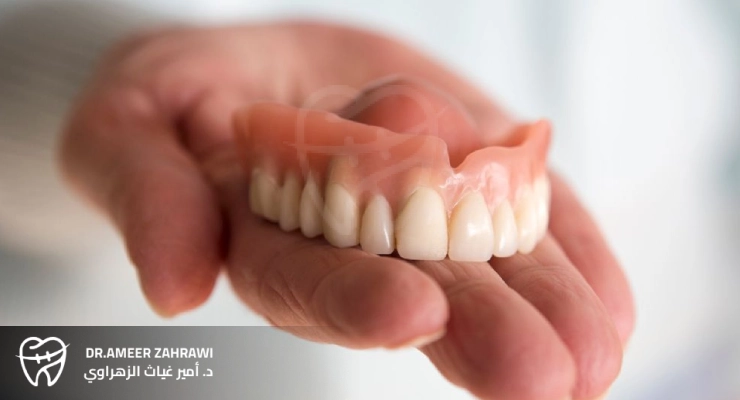
Dentures are removable appliances used to replace missing teeth. They may be complete (replacing all teeth in an arch) or partial (replacing several missing teeth) and are custom-made to fit the patient’s mouth.Key advantages include: – A relatively affordable option for multiple missing teeth – Non-surgical treatment – Improved chewing, speech, and facial appearance – Can be adjusted or remade as the mouth changes over time
Stem Cell–Based Regenerative Therapies (Emerging)
Research is steadily progressing in the use of stem cells to restore avulsed or lost teeth. This approach aims to regenerate tooth structures by harnessing the regenerative properties of stem cells, potentially allowing the growth of new teeth in the future.Potential advantages include: – Biological regeneration instead of synthetic replacements – Improved integration with surrounding tissues – Reduced risk of rejection compared to artificial materials – The possibility of restoring both function and natural tooth anatomy
Tooth Reimplantation
The most common and preferred treatment for avulsed teeth is reimplantation of the original tooth back into its socket. This procedure is usually performed by a dentist or oral surgeon and is most successful when done as soon as possible after the injury.Key advantages include: – Preservation of the patient’s natural tooth – Maintenance of natural appearance and bite alignment – Potentially lower long-term cost compared with some prosthetic options – Helps maintain jawbone health by keeping the natural root in place
Tooth Avulsion in Children: Causes and Treatment
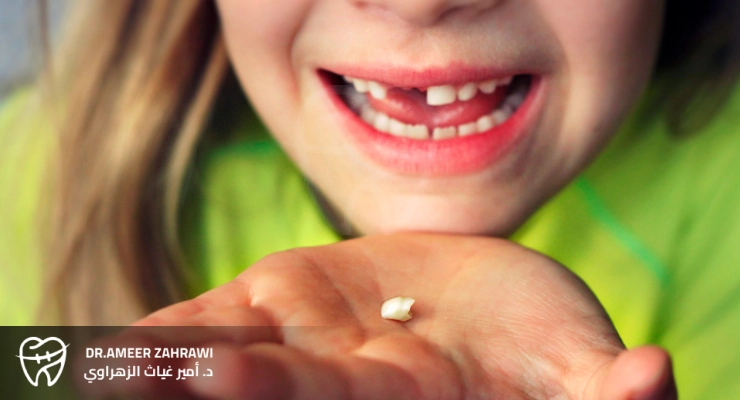
One of the most common reasons for tooth loss in children is the natural process of shedding primary (baby) teeth to make room for permanent teeth, which usually begins around the age of six.However, tooth avulsion in children can also be a serious dental emergency when a tooth—especially a permanent tooth—is completely knocked out of its socket due to trauma. The most common causes include falls, sports-related injuries, and accidents, as children’s active lifestyles make them more prone to such incidents.When a child experiences tooth avulsion, immediate treatment is critical to improving the chances of successful reimplantation. Parents should first locate the avulsed tooth and handle it only by the crown, avoiding any contact with the root to protect periodontal ligament cells. If possible, the tooth should be gently rinsed with saline or clean water to remove visible debris without scrubbing, and then carefully reinserted into the socket.If reinsertion is not possible, the tooth should be placed in a container with milk or saline solution to help keep it viable until dental care is available. It is essential to see a dentist immediately—ideally within 30 minutes of the injury—for the best chance of successful reimplantation.Again, one of the most common reasons for tooth loss in children is the normal shedding of primary teeth to allow permanent teeth to erupt, typically beginning around age six.
How to Care for Your Teeth After Tooth Avulsion
Proper oral care after tooth avulsion is crucial to protect the remaining teeth and ensure a smooth transition to any restorative options.Continue brushing your teeth twice daily with a fluoride toothpaste to remove plaque and prevent decay. Daily flossing helps keep the spaces between teeth clean and reduces the risk of plaque buildup and gum disease.Schedule regular dental visits for professional cleanings and checkups to monitor your oral health. Discuss replacement options with your dentist, such as implants, dentures, or bridges, to restore chewing function and aesthetics.Avoid hard or sticky foods that could damage remaining teeth or worsen existing dental problems. If you participate in physical activities or sports, consider wearing a mouthguard to protect your teeth from further injury.Use a saline rinse to gently rinse your mouth, which may help reduce inflammation and support healing of the gums. Stay alert for signs of infection, such as swelling, persistent pain, bad taste, or pus, and seek dental care if these occur.Focus on a nutrient-rich diet high in vitamins and minerals, especially calcium and vitamin D, to support healing and overall oral health. Limit frequent consumption of sugary snacks and drinks that can contribute to tooth decay.
Best Clinics for Treating Tooth Avulsion in Jeddah
If you are seeking top-tier care for tooth avulsion in Jeddah, Dr. Amir Al-Zahrawi’s Clinic is an excellent choice. Renowned for its high-quality dental services, the clinic combines advanced technology with a compassionate, patient-centered approach.Dr. Al-Zahrawi, a highly skilled and experienced dentist, specializes in advanced treatments for avulsed and missing teeth, including dental implants, dentures, and bridges.With a strong commitment to personalized treatment plans, patients receive thorough evaluations and customized solutions tailored to their specific needs. You can rely on Dr. Amir Al-Zahrawi’s Clinic for outstanding dental care and confidently restore your smile.
Frequently Asked Questions
What should I do immediately after a tooth is knocked out?
Hold the tooth by the crown only; do not touch the root. Rinse it gently with saline or clean water without scrubbing, and try to place it back into its socket. If you can’t reinsert it, put the tooth in milk or saline solution and go to the dentist right away.
What is the ideal time frame for reimplanting a tooth?
The best time is within 30 minutes of the tooth being knocked out. After about an hour, the chances of successful reimplantation drop significantly due to damage to the supporting tissues and periodontal ligament cells.
Does tooth avulsion in children affect the permanent teeth?
If the avulsed tooth is a primary (baby) tooth, it is often part of the natural growth process, as long as it matches the expected timing and there is no associated trauma to the underlying permanent tooth bud. However, if a permanent tooth is knocked out, a dentist must be seen immediately to prevent long-term problems with the teeth and jaw.
What are the options for replacing a tooth after avulsion?
Replacement options include dental implants, fixed dental bridges, and partial or complete dentures, depending on the patient’s oral condition, age, and the number of missing teeth. A dentist will assess your case and recommend the most suitable solution.