Cracked and chipped teeth are common dental problems that can affect people of all ages. If left untreated, they often lead to discomfort and potentially serious complications. These issues can arise from different factors, including excessive biting forces, tooth decay, and even age-related wear.Understanding the causes, symptoms, and treatment options for cracked teeth is crucial not only for maintaining good oral health, but also for preventing more serious dental problems in the future. This article explains what cracked and chipped teeth are, how to prevent them, and why timely dental care is so important.
Table of Contents
What Are Cracked and Chipped Teeth?
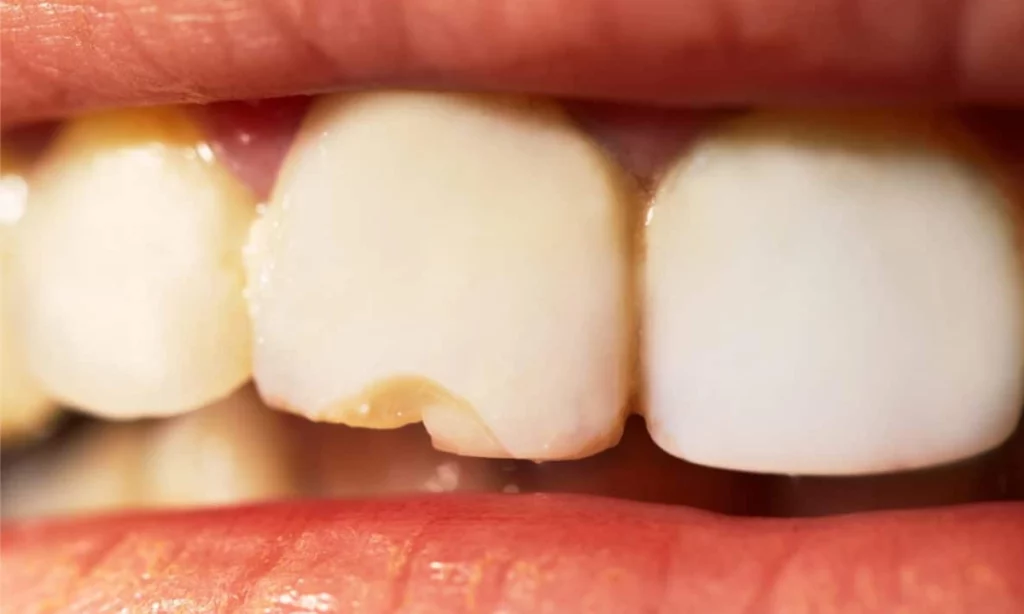
“Cracked and chipped teeth” refers to physical damage to the tooth structure, resulting in fractures or breaks in the enamel or deeper layers of the tooth. Cracks can vary in severity—from very superficial lines that may not cause immediate pain, to more extensive fractures that expose the dental pulp and nerves, leading to significant discomfort and complications.Chipping usually involves breaking off small pieces of the tooth, often due to trauma, biting on hard objects, or gradual wear over time. Both cracks and chips can affect not only the appearance of your smile, but also your overall oral health, as damaged teeth are more prone to decay, infection, and further breakdown if not treated promptly.
Causes of Cracked and Chipped Teeth
Cracked and chipped teeth are common and can result from a range of underlying factors. Knowing these causes is essential for effective prevention. Below are some of the most frequent reasons:Chewing hard foods or non-food items—such as ice, popcorn kernels, or pens—can place excessive pressure on the teeth, causing them to crack or chip. Over time, this habit can weaken the enamel and compromise the strength of your teeth.Poor oral hygiene can lead to the buildup of plaque and tartar, which can cause gum disease and tooth decay. Weakened teeth are more likely to crack and chip, making regular brushing, flossing, and overall good oral hygiene habits critical.Physical trauma to the mouth—whether from sports, accidents, or falls—can cause sudden cracks or fractures in the teeth. Even seemingly minor injuries can weaken the enamel and increase the risk of future damage.Many people grind or clench their teeth without realizing it, especially during sleep. This condition, known as bruxism, puts significant pressure on the teeth, leading to wear, cracks, and fractures over time.Many people grind or clench their teeth without realizing it, especially during sleep. This condition, known as bruxism, puts significant pressure on the teeth, leading to wear, cracks, and fractures over time.
Symptoms of Cracked and Chipped Teeth and How to Recognize Them
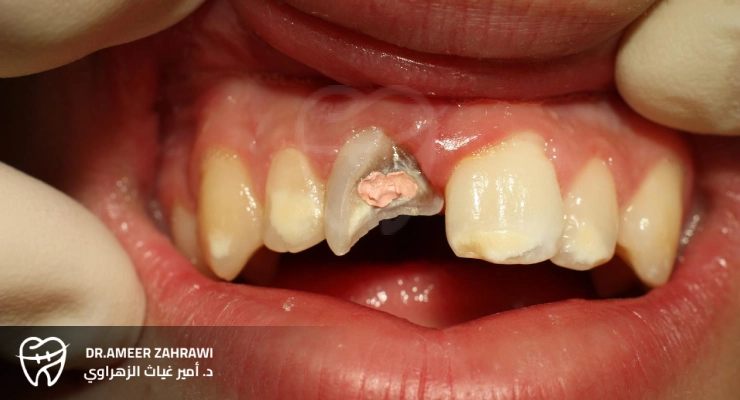
Cracked and chipped teeth can present with several symptoms that may indicate underlying damage. Recognizing these signs early is essential for effective treatment and for preventing further complications.Sharp or sudden pain is one of the most common indicators of a crack or fracture, especially when eating or drinking something hot, cold, or sweet. This type of sensitivity often signals that the nerve inside the tooth is exposed or irritated.A visual examination may reveal visible cracks or fine lines on the surface of the tooth. These can range from minor superficial lines to more significant fractures that require immediate attention from a dentist.If you feel discomfort or a sensation of pressure while chewing, it may be a sign of tooth damage. This feeling can indicate that the tooth is no longer able to withstand normal biting forces due to structural weakness.Inflamed or swollen gums around the damaged tooth can indicate infection or irritation caused by a fracture. This symptom often appears along with pain and should not be ignored.Cracks can sometimes cause teeth to shift, creating noticeable gaps. This change can affect your bite and overall alignment, and it should be evaluated promptly by a dentist.A cracked tooth may appear shorter, uneven, or misshapen compared to neighboring teeth. This change in appearance can be a clear indicator of damage that needs professional assessment.Persistent bad breath or a bad taste in the mouth can develop as a result of cracked teeth, especially if decay or infection is present. Bacteria can accumulate in the damaged area, leading to unpleasant odors.Read more: Bad Breath: Causes and Effective Treatments to Get Rid of It
The Impact of Cracked Teeth on Overall Oral Health
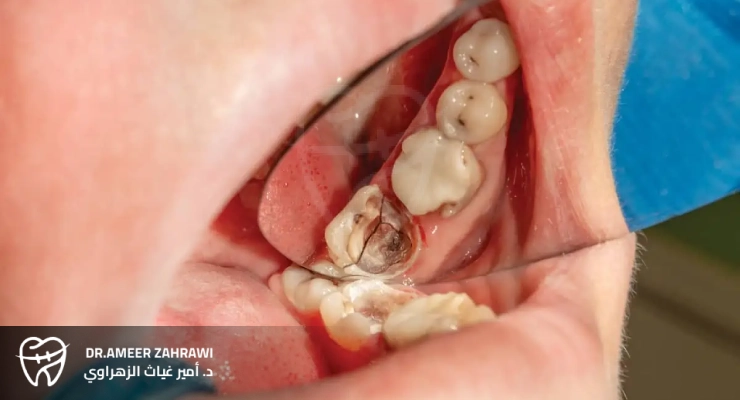
Cracked teeth can significantly affect overall oral health and may trigger a series of complications if not treated promptly. Once a tooth is cracked, it becomes more vulnerable to bacteria and decay, which can penetrate deeper into the tooth structure and potentially lead to infection. This may result in a dental abscess, causing pain, swelling, and even systemic problems that can impact general health.Cracks can also interfere with normal biting and chewing function, leading to uneven wear on neighboring teeth and changes in jaw alignment. Over time, this can worsen conditions such as temporomandibular joint (TMJ) disorders, causing jaw pain and discomfort. In addition, the emotional burden of dealing with cosmetic concerns or chronic pain can negatively impact a person’s quality of life.
How to Prevent Cracked and Chipped Teeth
Preventing cracked and chipped teeth is essential for maintaining optimal oral health and avoiding painful complications. By taking preventive measures and making informed lifestyle choices, individuals can significantly reduce their risk of tooth damage.
The Best Treatments for Cracked and Chipped Teeth
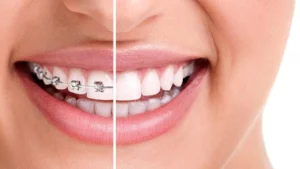
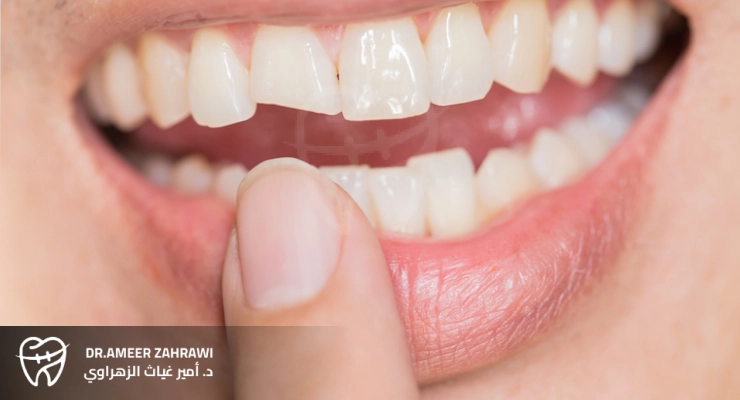
Several treatment options are available for cracked and chipped teeth, depending on the severity of the damage and the patient’s specific needs. Early diagnosis and prompt intervention are critical for successful treatment, as they help preserve the tooth’s structure and function.Composite fillings are a common option for minor cracks and small chips. The dentist uses a tooth-colored resin material to fill and rebuild the damaged area, restoring both the appearance and function of the tooth.For more extensive damage, dental crowns provide a strong and durable solution. A crown fully covers the tooth, offering protection and reinforcement while also improving its appearance. This treatment is especially useful for severely cracked teeth.You may be interested in: Dental Crowns: The Ideal Solution to Restore and Protect Your Teeth with Advanced TechnologyLaser technology can be used to treat certain types of cracks and promote healing in the surrounding tissues. This minimally invasive option can reduce discomfort and speed up recovery time.If misaligned teeth are contributing to cracking, orthodontic treatment may be necessary. Braces or clear aligners can correct tooth positioning, reducing excessive pressure on individual teeth and lowering the risk of further damage.For people who grind their teeth or those who participate in contact sports, custom-made mouthguards can offer effective protection. These devices help absorb shock and reduce the risk of cracks and chips.Although it may sound intimidating, root canal treatment is often the best way to save a severely damaged tooth. It relieves pain and prevents further infection, allowing the tooth to be successfully restored with a crown afterward.
The Best Clinics for Treating Cracked Teeth in Jeddah
When looking for effective treatment for cracked teeth in Jeddah, Dr. Amir Al-Zahrawi Clinic stands out as a top choice. Known for advanced dental care, the clinic combines state-of-the-art technology with a highly skilled professional team dedicated to patient comfort and satisfaction.The clinic offers a wide range of services—from cosmetic fillings to advanced laser treatments—ensuring every aspect of cracked tooth management is covered. In addition, the warm and welcoming environment helps ease dental anxiety, making visits a more positive experience.With a strong commitment to excellence and a focus on achieving optimal results, Dr. Amir Al-Zahrawi Clinic is an excellent option for anyone seeking effective solutions for cracked teeth in Jeddah.
Dr. Abeer Zindaqi: Comprehensive Expertise in Treating Cracked Teeth
If you are looking for effective solutions for cracked and chipped teeth while ensuring the highest standard of care, Dr. Abeer Zindaqi is one of the leading names in cosmetic and restorative dentistry in Jeddah. With extensive experience and a patient-centered approach, Dr. Abeer provides advanced treatment options including cosmetic fillings, crowns, and laser therapies, all with an emphasis on achieving natural results that preserve both your smile and your oral health. Her clinic is equipped with the latest technology to ensure a comfortable treatment experience and long-lasting outcomes, making it an ideal choice for anyone seeking to restore their dental health and confidence.
Frequently Asked Questions
What causes cracked and chipped teeth?
Cracked and chipped teeth can result from chewing hard foods, teeth grinding (bruxism), physical trauma, and poor oral hygiene that weakens the enamel, as well as age-related wear.
Can a cracked tooth be treated at home?
While mild discomfort can be managed at home with over-the-counter pain relievers and by avoiding hard foods, professional dental treatment is essential for proper repair and to prevent complications.
How do I know if I have a cracked tooth?
Signs of a cracked tooth include sudden pain when eating or drinking, visible cracks or fine lines, sensitivity to hot and cold, and discomfort when chewing. Swelling of the surrounding gums may also occur.
Can a cracked tooth lead to tooth loss?
Yes. If a cracked tooth is left untreated, it can lead to infection, decay, and eventually tooth loss. Early intervention is crucial for saving the tooth.
Can cracked teeth be prevented?
Cracked teeth can often be prevented by maintaining good oral hygiene, avoiding very hard foods, using a mouthguard if you grind your teeth or play contact sports, and addressing dental problems promptly.
Is there a difference between a cracked tooth and tooth decay?
Yes. A cracked tooth is a structural or mechanical damage to the tooth, while tooth decay is a disease process caused by bacteria and acids that break down the tooth. Both can cause pain and complications, but they are distinct conditions.