
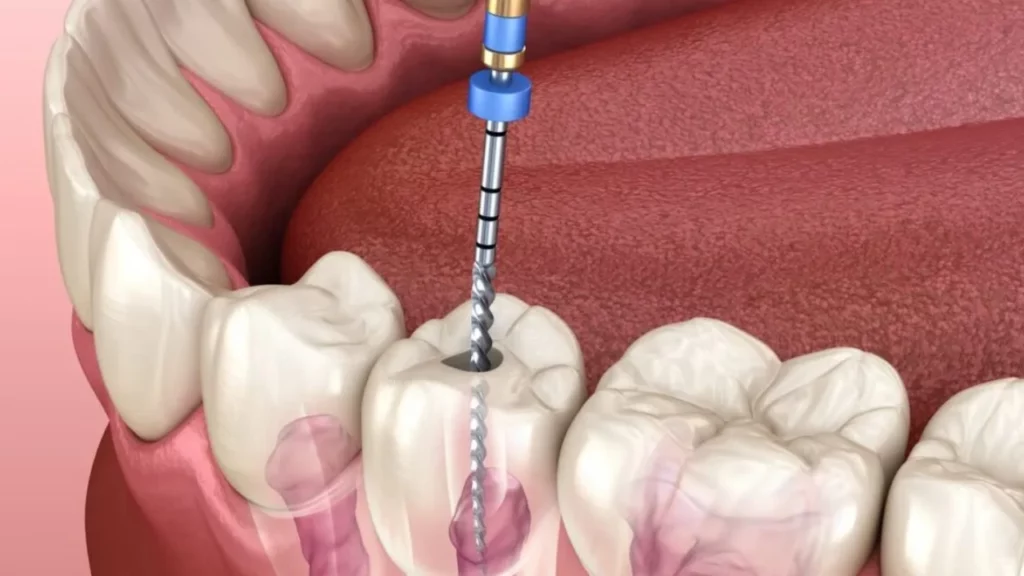
What Is Chronic Tooth Pulp Inflammation?
Table of Contents
Chronic tooth pulp inflammation (chronic pulpitis) is a long‑standing condition that affects the dental pulp (the tooth nerve) gradually over time. The pulp inside the tooth becomes inflamed due to deep dental caries, a tooth fracture, or neglecting treatment of earlier infections. This form of pulp inflammation often causes milder symptoms than acute pulpitis, but it is more serious because it can persist for a long time and may progress silently without obvious pain in its early stages.Over time, chronic pulpitis can lead to complete damage of the pulp and spread of inflammation to the tooth roots and surrounding bone, which may result in a dental abscess, swelling, and intermittent pain when chewing or when consuming hot or cold foods and drinks. Early detection of chronic pulpitis and timely endodontic treatment (root canal therapy) or other appropriate procedures are essential to preserve the natural tooth and prevent serious complications in the mouth and jaw. This condition is among the most common problems affecting the tooth nerve and requires regular follow‑up with a dentist for accurate diagnosis using clinical examination and dental imaging.
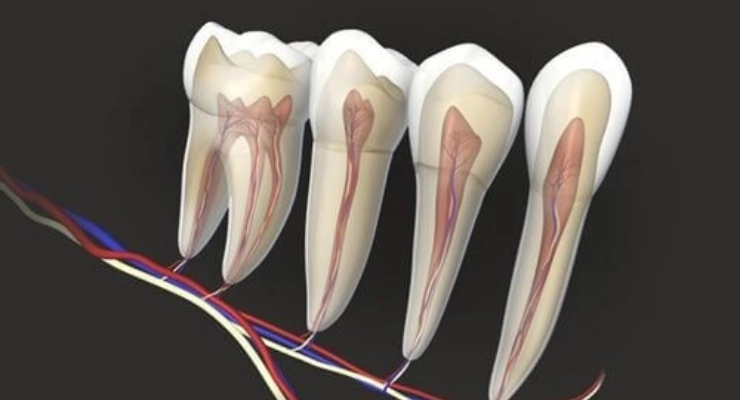
Causes of Tooth Nerve Inflammation
Chronic pulpitis develops as a result of several factors that gradually affect the sensitive dental pulp. The most important of these is untreated deep dental decay that progresses until it reaches the pulp, causing ongoing pain and a chronic inflammatory process. Old or poorly sealed fillings, hairline cracks in the teeth, and strong trauma from falls or accidents can also irritate the tooth nerve over time.Advanced gum disease (periodontal disease) plays a significant role as well, as it allows bacteria to reach the tooth roots and trigger chronic inflammation of the pulp in molars or other teeth. In addition, continuous pressure on the teeth from nighttime bruxism (teeth grinding) or a bad bite (malocclusion) can strain the pulp and worsen the inflammation. The risk of chronic pulpitis increases in people who neglect regular oral hygiene or frequently consume sugary foods and acidic drinks without proper dental care.
Common Symptoms That Indicate Pulp Inflammation
Symptoms of chronic pulpitis usually appear as persistent or recurring pain in the affected tooth, which becomes more intense when chewing or when eating or drinking hot or cold items. The patient may also experience throbbing pain that radiates to the jaw, ear, or head, along with a feeling of pressure inside the tooth that suggests pulp inflammation.Other common signs include increased tooth sensitivity, darkening or graying of the tooth color, and the presence of bad breath or an unpleasant taste in the mouth due to the chronic infection. In some cases, the patient may notice slight swelling in the gums or face near the affected tooth, or the formation of a small abscess. These are advanced signs that require immediate dental evaluation to diagnose and treat pulpitis before more serious complications develop.(Read more: Symptoms of Tooth Nerve Inflammation – A Complete Guide)
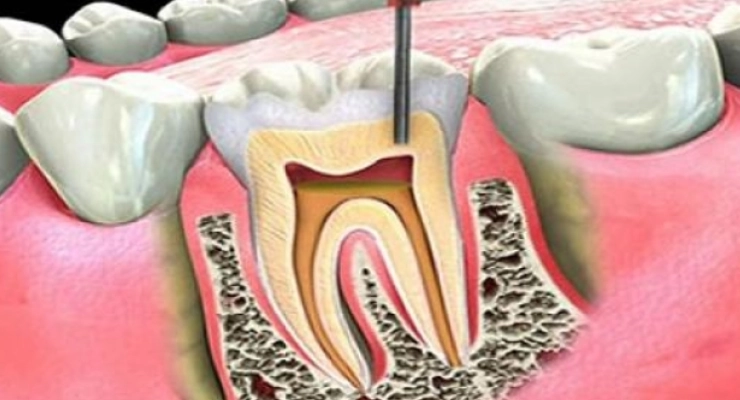
How Do Dentists Diagnose Pulp Inflammation?
Diagnosis of chronic pulpitis at the dental office starts with a detailed medical and dental history. The dentist asks about the nature of the tooth pain, how long it has been present, its intensity, and what factors worsen it, such as hot or cold drinks or biting on the tooth. The dentist then performs a thorough clinical examination of the mouth and gums, focusing on the suspected tooth to look for deep decay, fractures, old restorations, or any discoloration that might indicate pulp involvement.Special diagnostic tests are often used, such as thermal sensitivity tests with cold or heat, percussion tests using gentle tapping on the tooth, and sometimes an electric pulp test to assess pulp vitality. These help differentiate between acute pulpitis, chronic pulpitis, and pulp necrosis (a dead nerve). Radiographic imaging, such as conventional dental X‑rays or digital radiographs, is also crucial to evaluate the depth of decay, the condition of the root, and any signs of inflammation or abscess in the surrounding bone.In more complex cases, the dentist may order cone‑beam computed tomography (CBCT) 3D imaging to obtain a highly detailed view before starting root canal treatment. This thorough diagnostic process helps ensure an accurate diagnosis and an appropriate treatment plan that minimizes pain and preserves the tooth as much as possible.
The Latest Treatment Options for Chronic Tooth Pulp Inflammation
Modern treatment of chronic pulpitis focuses on advanced techniques designed to preserve the tooth whenever possible and provide rapid, safe pain relief. The process begins with precise diagnosis, often using CBCT 3D imaging to accurately determine the extent of damage to the pulp and root canals.Root canal therapy performed under an operating microscope and with the aid of dental lasers is among the latest approaches. These technologies allow the dentist to clean the root canals with great precision, thoroughly disinfect them, and remove the bacteria responsible for the chronic infection while maintaining as much of the tooth structure as possible.In advanced cases of chronic pulpitis, retreatment of a previous root canal or an apicoectomy (surgical removal of the root tip) may be necessary to save the tooth instead of extracting it. Modern biocompatible root filling materials are used to support healing of the bone around the roots and reduce the risk of reinfection. If the tooth cannot be saved, extraction followed by replacement with a dental implant or a fixed bridge becomes the final treatment option, with careful attention to addressing the underlying causes of chronic pulpitis to prevent similar problems in other teeth.
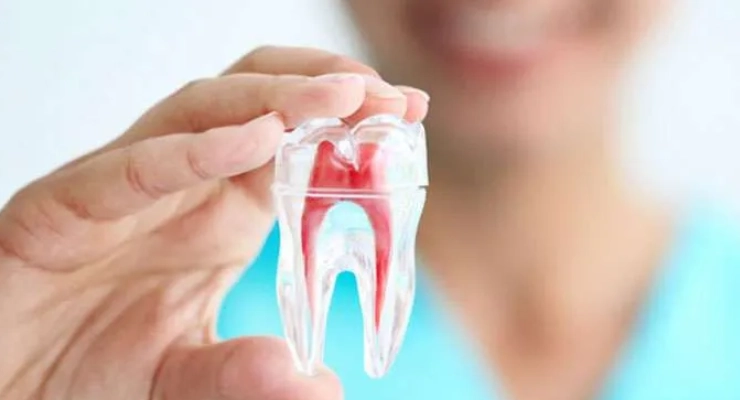
Tips to Prevent Tooth Nerve Infections
To prevent chronic tooth nerve inflammation and reduce the likelihood of needing root canal therapy, it is recommended to brush your teeth twice daily with a fluoride toothpaste and use dental floss or interdental brushes to remove food debris that can lead to deep cavities. Try to limit sugary snacks, soft drinks, and sticky foods, especially between meals, as they significantly increase the risk of tooth decay and bacterial penetration into the pulp.Schedule a dental checkup every six months for routine examination and professional cleaning. This helps detect early signs of decay or pulp inflammation before they progress to chronic pulpitis. If you experience ongoing tooth pain, pronounced sensitivity to hot or cold drinks, or pain when biting or applying pressure on a tooth, do not ignore these symptoms. Seek dental care promptly to avoid deterioration and the development of acute or chronic pulpitis.It is also advisable to avoid using your teeth to open packages or bite very hard objects, and not to chew ice, as these habits can cause cracks in the teeth, expose the pulp, and increase the risk of chronic tooth nerve inflammation in the future.
Treatment of Chronic Tooth Pulp Inflammation in Jeddah with Dr. Abeer

At Dr. Abeer’s clinic in Jeddah, chronic pulpitis is treated using a carefully planned approach aimed at completely eliminating the infection, relieving pain, and preserving the tooth whenever possible. Dr. Abeer begins with an accurate diagnosis using digital X‑rays and a comprehensive clinical exam to determine the extent of damage to the pulp and root canals.Root canal therapy (nerve removal and cleaning) is then performed using advanced techniques and modern instruments to thoroughly clean and disinfect the canals, followed by filling them with safe, medically approved materials that prevent bacterial re‑entry and reinfection.In severe chronic cases, Dr. Abeer may recommend placing a dental crown to protect the tooth from fracture and restore its shape and function. The success of treating chronic pulpitis largely depends on early diagnosis and prompt intervention, so Dr. Abeer in Jeddah provides specialized care and comfortable treatment options for patients suffering from chronic tooth nerve pain and persistent tooth sensitivity.