What Are Traditional Dental Veneers?
Table of Contents
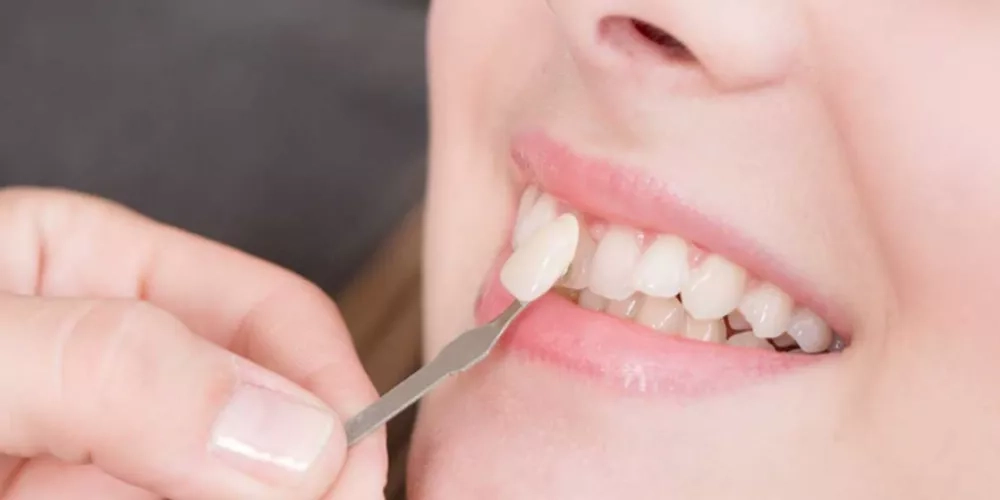
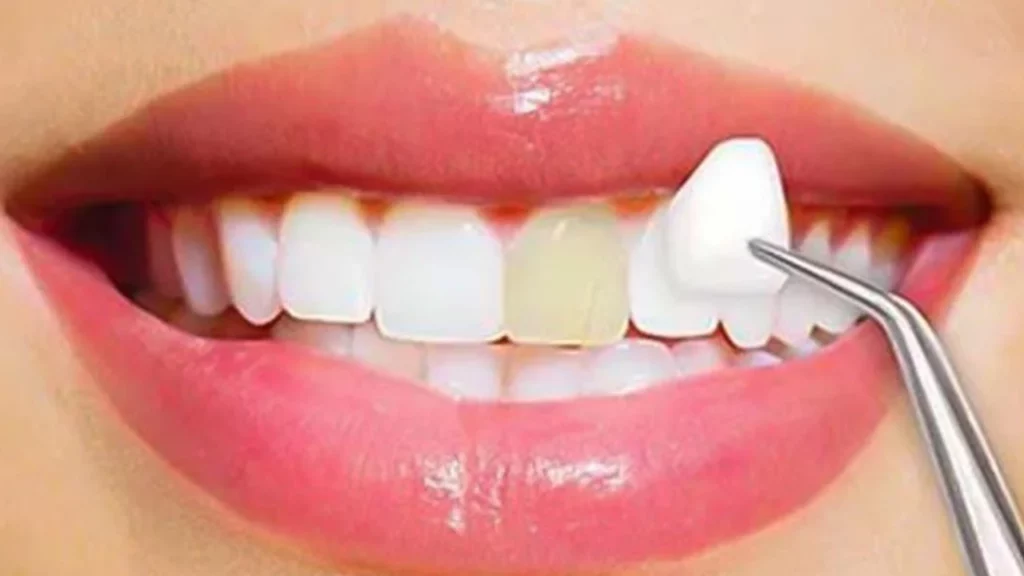
Traditional dental veneers are ultra-thin shells, most often made from high-quality porcelain, that are permanently bonded to the front surface of the teeth to enhance their shape, color, and alignment. Traditional veneers are used to correct multiple issues such as severe tooth discoloration, worn edges, small gaps between the front teeth, and minor chips or cracks.Traditional veneers differ from composite veneers in that they usually require removing a thin layer of enamel to prepare the surface before bonding the porcelain shells. This allows for stronger adhesion and more natural-looking, long-lasting results. Veneers are typically designed in a specialized dental laboratory based on precise measurements and a shade that matches your natural teeth and gums, making them a popular option for cosmetic dentistry and smile makeovers while maintaining a harmonious, natural appearance.
What Are Composite Veneers and How Are They Applied?
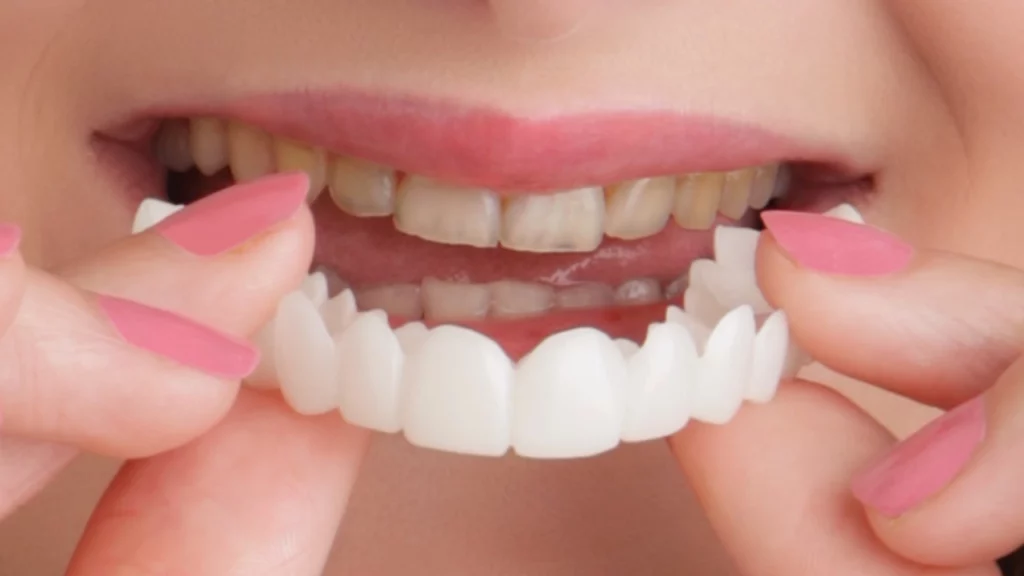
Composite veneers are thin cosmetic layers made directly from tooth-colored filling material (composite resin) that are applied to the front surfaces of the teeth to improve their color and shape and correct minor imperfections such as gaps, discoloration, and wear.Unlike traditional porcelain veneers, composite veneers are usually completed in a single visit at the dental office without the need for an external lab, and they typically require minimal preparation of the enamel. After examining and thoroughly cleaning the teeth, the dentist gently roughens the enamel surface using special conditioning agents to enhance the bond with the composite material.Then, multiple layers of composite resin in a shade that matches the natural teeth are applied and carefully sculpted to create a balanced, esthetic smile. Once the shaping is complete, the dentist uses a special curing light (blue light) to harden and set the material, followed by a polishing stage to achieve a smooth surface and a natural luster similar to tooth enamel. When performed by an experienced cosmetic dentist using high-quality materials, composite veneers can significantly improve the appearance of your smile while preserving as much natural tooth structure as possible.
Material Differences Between Traditional and Composite Veneers
Traditional veneers and composite veneers mainly differ in the type of material used, along with its esthetic properties and expected longevity. Traditional veneers are usually made from dental porcelain, a high-quality ceramic that closely mimics the translucency and shine of natural enamel. Porcelain is highly resistant to stains and scratches, providing long-term color stability and esthetics.Composite veneers, on the other hand, are made from composite resin—the same material used in tooth-colored fillings—and are applied directly to the tooth in the dental office, then shaped and polished to achieve the desired form and shade. Although composite veneers offer a faster and more affordable cosmetic solution, composite resin is generally less durable and more prone to discoloration over time compared to porcelain. For this reason, choosing between traditional and composite veneers depends on the patient’s priorities in terms of strength, appearance, and cost.Read more: Advantages and disadvantages of teeth whitening with veneers
Comparing the Lifespan of Each Type
There is a clear difference in lifespan between traditional porcelain veneers and composite veneers, and this is one of the key factors when choosing the most suitable cosmetic option.Porcelain veneers typically last about 10 to 15 years or even longer with proper care. Porcelain is a strong, stain-resistant material that maintains its color and shine for many years, making it a long-term solution for enhancing the front teeth.By contrast, composite veneers generally last around 5 to 7 years on average, and this may be shorter or longer depending on the dentist’s skill and the patient’s habits, such as chewing patterns and oral hygiene. Composite veneers are more prone to staining and chipping over time and may require periodic polishing or repairs to maintain their esthetic appearance. Traditional porcelain veneers usually need less maintenance over the long term but require more extensive tooth preparation and are more expensive than composite veneers.Ultimately, comparing the lifespan of each type involves balancing how long you want the results to last, the total cost of treatment, your daily care routine, and your expectations in terms of both function and esthetics.
Cost: Which Is More Economical in the Long Run?
When comparing the cost of traditional veneers with composite veneers, it’s important to look beyond the initial price and consider how long they last and how much maintenance each type may require.Composite veneers generally have a lower upfront cost, making them an attractive option for patients seeking a quick cosmetic improvement at a more affordable price. However, they are more likely to stain, chip, or wear down and may need touch-ups or replacement after a few years.Traditional porcelain veneers usually involve a higher initial cost, but they offer a longer lifespan, excellent color stability, and greater resistance to wear, which can reduce the need for repeated procedures. This often makes porcelain veneers more cost-effective over time. So, when considering the total, long-term investment in your smile, traditional veneers can be the more economical choice—especially for patients who want stable, long-lasting results with minimal ongoing maintenance.Read also: The difference between veneers and Lumineers: which is better for your smile?
Esthetic Results: Which Looks More Natural?
When comparing esthetic outcomes between traditional and composite veneers, most patients prioritize achieving a natural-looking smile.Porcelain veneers excel in this area because they can closely replicate the translucency, brightness, and light-reflecting properties of natural enamel. They maintain their color and resist stains over the long term, resulting in a harmonious smile that looks very similar to natural teeth.Composite veneers can also provide attractive results and can be sculpted chairside to match the surrounding teeth. However, they typically offer less depth and translucency than porcelain and are more prone to changes in color over time due to diet, smoking, and other factors.From a purely esthetic standpoint, traditional porcelain veneers are generally preferred when the goal is a highly natural, high-precision smile makeover—especially for the front teeth and in cases with more complex color or shape issues. Composite veneers are more suitable for patients seeking noticeable, quick improvements at a lower cost and who are comfortable accepting some compromises in ideal esthetics and longevity.
Who Is a Good Candidate for Traditional Veneers? Who Is Best Suited for Composite Veneers?
Traditional veneers are ideal for patients looking for a long-term cosmetic solution to address severe tooth discoloration, gaps between the teeth, or noticeable wear and fractures in the front teeth, provided there is enough healthy enamel to allow for conservative reshaping and bonding of high-quality porcelain shells for a natural “Hollywood smile.”Composite veneers are well suited to patients with mild to moderate imperfections such as light discoloration, superficial cracks, or minor irregularities in tooth length and shape. They are also a good option for those who want a fast smile enhancement in a single visit, with minimal enamel removal and lower cost compared to porcelain veneers.In general, traditional veneers are best for those who value maximum durability and long-term color stability, while composite veneers are a good fit for those seeking a more flexible solution that can be adjusted or repaired more easily in the future. A comprehensive consultation with a dentist is always recommended to determine the most suitable type based on the condition of the teeth, enamel thickness, the patient’s bite, and habits such as teeth grinding or frequent consumption of staining foods and drinks.Related article: How to choose the ideal veneer shade for your smile
How Does Dr. Abeer Help You Choose the Best Veneer Option for Your Smile?

Dr. Abeer begins your smile journey with a thorough examination of your teeth and gums, assessing factors such as your current tooth shade, shape, alignment, and how your upper and lower teeth meet. This evaluation helps determine whether traditional porcelain veneers or composite veneers are more appropriate for your case.She relies on digital smile design and detailed photography, allowing you to preview the anticipated outcome before starting any procedure. During this process, she clearly explains the differences in durability, expected lifespan, and the amount of tooth preparation required for each type of veneer.Dr. Abeer walks you through the pros and cons of both options: traditional veneers offer superior color stability and strength, while composite veneers provide a faster solution with more conservative tooth reduction. She helps you balance your esthetic goals with your oral health status and budget.Her approach emphasizes preserving as much natural tooth structure as possible. She selects high-quality veneer materials that match your skin tone and lips, while correcting issues like gaps, wear, and deep discoloration. In the end, she develops a customized treatment plan that includes follow-up and maintenance visits after veneer placement, to ensure long-term functional and esthetic stability and to keep your smile bright and healthy.